How to Maintain a Healthy Lifestyle
Maintaining a healthy lifestyle is something many Americans strive for, but busy schedules, stress, fast food, and long work hours can make it challenging. The good news is that living healthier does not require perfection or extreme routines. In most cases, small daily habits can make a meaningful difference over time.
A healthy lifestyle is about creating balance in areas such as nutrition, exercise, sleep, stress management, and mental well-being. Instead of focusing on short-term trends or unrealistic goals, sustainable habits often lead to better long-term results.
If you’ve ever wondered how to maintain a healthy lifestyle while managing work, family, and daily responsibilities, this guide covers practical steps that fit real life.
Focus on Balanced Nutrition
Healthy eating is one of the foundations of overall wellness.
Many Americans rely heavily on processed foods, takeout meals, and sugary snacks because of convenience. While occasional treats are completely normal, building a balanced diet can help support energy, mood, and long-term health.
A healthy eating routine often includes:
- Fruits and vegetables
- Lean proteins
- Whole grains
- Healthy fats
- Plenty of water
For example, Jennifer, a 41-year-old office worker from Ohio, started meal prepping simple lunches instead of ordering fast food every day. Within a few months, she noticed more stable energy and fewer afternoon energy crashes.
Healthy eating does not have to be complicated. Even small improvements can add up over time.
Stay Physically Active
Exercise is another important part of a healthy lifestyle.
Regular movement may help support:
- Heart health
- Energy levels
- Mental wellness
- Weight management
- Sleep quality
Not everyone enjoys intense workouts, and that is perfectly fine. Walking, cycling, yoga, swimming, dancing, or home workouts can all support physical health.
For example, Mark, a 52-year-old accountant from Texas, began taking 30-minute evening walks after dinner with his wife. Over time, he felt more active, slept better, and enjoyed the routine as a stress reliever.
Consistency is often more important than perfection.
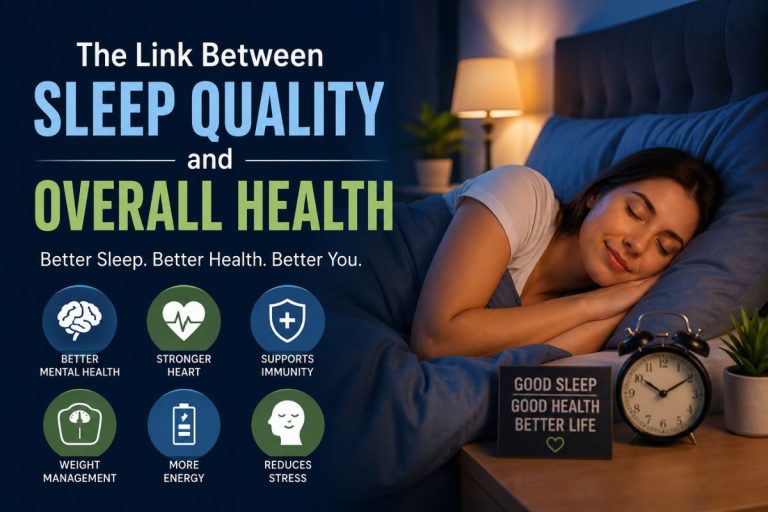
Prioritize Quality Sleep
Many Americans underestimate how important sleep is for overall wellness.
Poor sleep may affect mood, focus, energy, and stress levels. Yet modern lifestyles often include late-night screen time, irregular schedules, and constant distractions.
Healthy sleep habits may include:
- Going to bed at consistent times
- Reducing phone use before bed
- Limiting caffeine late in the day
- Keeping the bedroom cool and quiet
For example, Amanda, a college student from California, noticed she felt constantly exhausted because she stayed up scrolling social media every night. Creating a regular bedtime routine improved both her sleep and concentration during classes.
Drink Enough Water
Hydration plays an important role in maintaining a healthy lifestyle.
Water supports digestion, energy, body temperature regulation, and overall bodily functions.
Many people mistake dehydration for fatigue or hunger.
Simple hydration habits include:
- Carrying a reusable water bottle
- Drinking water with meals
- Choosing water instead of sugary beverages more often
For active individuals or people living in hot climates, water intake may become even more important.
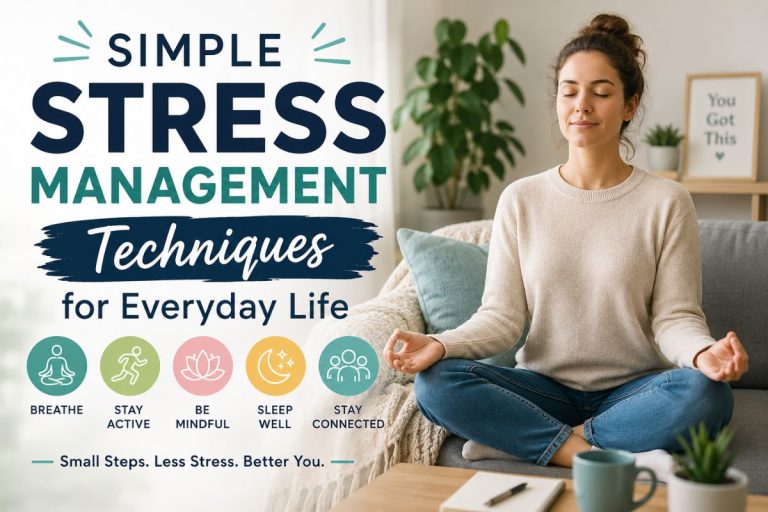
Manage Stress in Healthy Ways
Stress is a normal part of life, but chronic stress may affect both physical and mental health.
Many Americans juggle work pressures, financial responsibilities, parenting, and nonstop schedules, which can lead to burnout.
Healthy stress management strategies may include:
- Exercise
- Meditation or mindfulness
- Journaling
- Spending time outdoors
- Hobbies and creative activities
- Talking with supportive friends or family
For example, Rachel, a marketing manager from Florida, started practicing 10 minutes of meditation each morning before work. She found it helped her feel calmer and more focused throughout the day.
Limit Unhealthy Habits
Part of maintaining a healthy lifestyle also involves reducing habits that may negatively affect health over time.
This may include:
- Excessive alcohol consumption
- Smoking
- Overeating processed foods
- Too much screen time
- Lack of physical activity
Small gradual changes are usually easier to maintain than extreme restrictions.
Build Healthy Relationships
Social connections also affect wellness.
Strong relationships with family, friends, coworkers, or community groups may help support emotional health and reduce feelings of isolation.
Spending quality time with others often contributes to a healthier and more balanced lifestyle overall.
Make Preventive Health a Priority
Regular medical checkups, dental care, and health screenings can help people stay informed about their health.
Preventive care may help identify potential issues early and encourage healthier habits.
Many Americans delay doctor visits because of busy schedules, but staying proactive about health is important for long-term wellness.
Healthy Living Is About Consistency
One of the biggest misconceptions about healthy living is that it requires strict diets or perfect routines.
In reality, healthy lifestyles are usually built through consistent daily choices.
Some days will naturally be less healthy than others, and that is completely normal. The goal is progress, not perfection.
Final Thoughts
Learning how to maintain a healthy lifestyle starts with small, realistic habits that support physical and mental well-being. Balanced nutrition, regular movement, quality sleep, hydration, stress management, and healthy relationships all contribute to overall wellness.
For many Americans, sustainable lifestyle changes work better than extreme health trends. Focusing on consistency and long-term balance can help create healthier habits that fit naturally into everyday life.
References
- Centers for Disease Control and Prevention (CDC) – Healthy Living
Provides guidance on nutrition, physical activity, healthy habits, and overall wellness. - Mayo Clinic – Healthy Lifestyle Basics
Covers healthy eating, exercise, sleep, stress management, and preventive health practices. - Harvard T.H. Chan School of Public Health – The Nutrition Source
Offers science-based information about balanced diets, hydration, and healthy lifestyle habits. - Cleveland Clinic – Healthy Lifestyle Tips
Features articles about fitness, nutrition, mental wellness, and daily health routines. - National Institutes of Health (NIH) – Wellness Toolkits
Includes practical advice for healthy eating, stress management, physical activity, and sleep. - American Heart Association – Healthy Living
Provides resources on heart health, exercise, nutrition, and maintaining a balanced lifestyle.