The Link Between Sleep Quality and Overall Health
Sleep is one of the most important pillars of good health, yet millions of Americans struggle to get enough quality rest each night. While many people focus on diet and exercise, sleep often gets overlooked despite its powerful impact on physical, mental, and emotional well-being. Research continues to show that sleep quality plays a critical role in maintaining overall health and reducing the risk of various chronic conditions.
Understanding the connection between sleep quality and overall health can help you make better lifestyle choices and improve your long-term wellness.
Why Sleep Matters
Sleep is much more than a period of rest. During sleep, the body performs essential functions that help maintain health and restore energy. The brain processes information, repairs occur at the cellular level, hormones are regulated, and the immune system is strengthened.
Adults generally need between seven and nine hours of sleep each night. However, it’s not just the number of hours that matters. Sleep quality is equally important. Quality sleep means falling asleep relatively quickly, staying asleep throughout the night, and waking up feeling refreshed.
Poor sleep quality can interfere with these restorative processes, leading to both short-term and long-term health consequences.
Sleep and Physical Health
One of the strongest links between sleep quality and overall health involves physical wellness. Consistently poor sleep can negatively affect several systems throughout the body.
Supports Heart Health
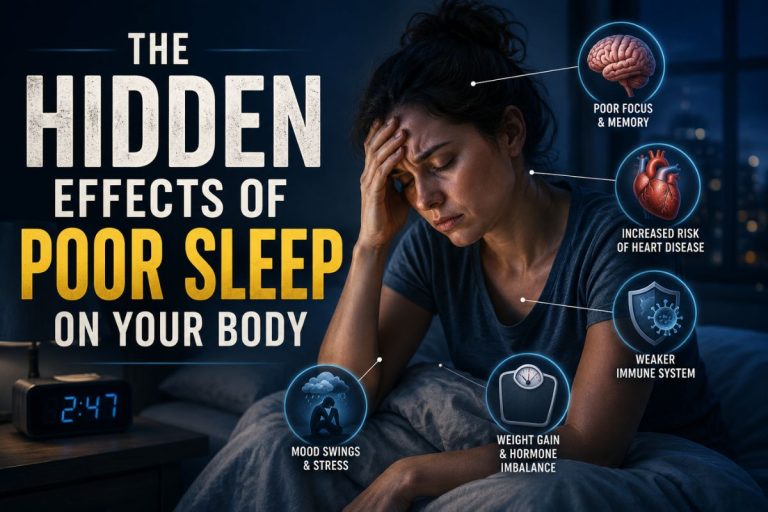
Getting enough quality sleep helps regulate blood pressure and supports healthy cardiovascular function. During sleep, the heart and blood vessels undergo important recovery processes. Chronic sleep deprivation may contribute to increased stress on the cardiovascular system and make it more difficult for the body to maintain healthy blood pressure levels.
Helps Maintain a Healthy Weight
Sleep plays a significant role in weight management. Poor sleep can disrupt hormones that control hunger and fullness, potentially leading to increased appetite and cravings for high-calorie foods. People who regularly experience inadequate sleep may find it more challenging to maintain a healthy weight.
Strengthens the Immune System
A healthy immune system relies on quality sleep. During sleep, the body produces proteins and immune cells that help fight infections and illnesses. Individuals who consistently get enough restorative sleep often have stronger immune responses compared to those who are sleep-deprived.
Sleep and Mental Health
The relationship between sleep and mental health is closely connected. Poor sleep can affect mood, emotional stability, and cognitive performance.
Improves Mood and Emotional Well-Being
A good night’s sleep can help regulate emotions and reduce irritability. In contrast, sleep deprivation can make people feel more stressed, anxious, and emotionally reactive. Over time, chronic sleep problems may contribute to ongoing mental health challenges.
Enhances Memory and Concentration
Sleep is essential for learning and memory. During certain sleep stages, the brain processes and stores information gathered throughout the day. Quality sleep helps improve concentration, decision-making, problem-solving, and overall cognitive function.
Supports Stress Management
Sleep and stress influence one another. High stress levels can interfere with sleep, while poor sleep can increase feelings of stress. Establishing healthy sleep habits can help break this cycle and improve emotional resilience.
The Impact of Sleep on Energy Levels
Many people rely on caffeine or energy drinks to combat fatigue, but quality sleep remains the most effective way to maintain consistent energy throughout the day.
When sleep is interrupted or insufficient, the body’s natural energy production processes are disrupted. This can lead to daytime drowsiness, reduced productivity, slower reaction times, and difficulty focusing on daily tasks.
Quality sleep helps restore energy reserves and allows the body and brain to function at their best.
Signs You May Not Be Getting Quality Sleep
Many individuals underestimate the effects of poor sleep. Some common signs include:
- Feeling tired despite spending enough time in bed
- Frequent nighttime awakenings
- Difficulty falling asleep
- Trouble concentrating during the day
- Increased irritability or mood swings
- Dependence on caffeine to stay alert
- Reduced motivation and productivity
Recognizing these signs early can help you take steps to improve your sleep habits.
Tips for Improving Sleep Quality
Fortunately, several simple lifestyle changes can help improve sleep quality and support overall health.
Maintain a Consistent Sleep Schedule
Going to bed and waking up at the same time every day helps regulate your body’s internal clock. Consistency can improve both sleep duration and quality.
Create a Relaxing Bedtime Routine
Activities such as reading, stretching, or meditation can signal to your body that it’s time to wind down and prepare for sleep.
Limit Screen Time Before Bed
The blue light emitted by phones, tablets, and computers can interfere with the body’s production of melatonin, a hormone that helps regulate sleep.
Optimize Your Sleep Environment
A cool, dark, and quiet bedroom can promote more restful sleep. Comfortable bedding and a supportive mattress may also contribute to better sleep quality.
Watch Your Diet and Caffeine Intake
Avoid large meals, excessive caffeine, and alcohol close to bedtime. These factors can disrupt sleep patterns and make it harder to achieve restorative rest.
Conclusion
The link between sleep quality and overall health is undeniable. Quality sleep supports heart health, immune function, weight management, mental well-being, memory, and daily energy levels. While nutrition and physical activity are important components of a healthy lifestyle, sleep should never be overlooked.
By prioritizing healthy sleep habits and making small adjustments to your daily routine, you can improve both your sleep quality and your overall health. Investing in better sleep today can lead to greater wellness, increased productivity, and a higher quality of life for years to come.