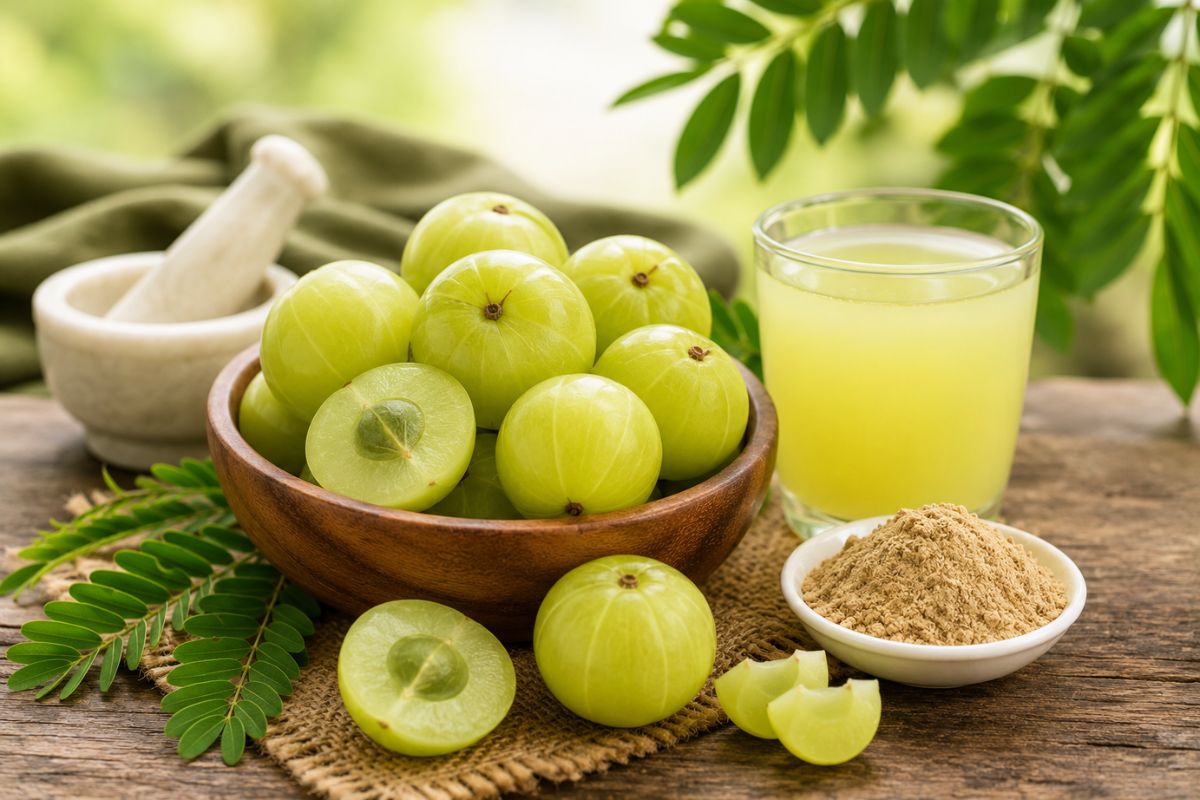
Amla Benefits and Side Effects: (Indian Gooseberry)
Amla, also known as Indian gooseberry, is a small green fruit that has been used in traditional wellness practices for centuries. It is widely recognized for its rich nutritional profile and is commonly consumed in juices, powders, pickles, supplements, and herbal preparations.
Known for its sour and slightly bitter taste, amla is packed with important nutrients and antioxidants that may support overall health. However, like many natural foods and supplements, it is also important to understand its possible side effects and how to consume it properly.
This guide explores the benefits of amla, potential side effects, and ways to include it in a balanced diet.
What Is Amla?
Amla comes from the Indian gooseberry tree and is commonly used in Ayurvedic practices and traditional health remedies. The fruit is especially valued for its high vitamin C content and antioxidant properties.
Amla can be consumed in several forms, including:
- Fresh fruit
- Amla juice
- Dried amla powder
- Capsules or supplements
- Herbal mixtures and teas
Its growing popularity worldwide is linked to increasing interest in natural wellness and plant-based nutrition.
Nutritional Value of Amla
Amla contains a variety of nutrients that support overall health.
Key Nutrients Found in Amla
- Vitamin C: Amla is widely known for its naturally high vitamin C content.
- Antioxidants: The fruit contains plant compounds that help protect cells from oxidative stress.
- Fiber: Fiber supports healthy digestion and gut function.
- Minerals and Plant Compounds: Amla also contains small amounts of calcium, iron, and beneficial phytochemicals.
Health Benefits of Amla
- Supports Immune Health: One of the most popular benefits of amla is its potential role in supporting the immune system.
- Rich Source of Vitamin C: Vitamin C helps support immune function and overall wellness.
- Antioxidant Protection: Antioxidants may help protect the body from damage caused by free radicals.
Because of these properties, many people include amla in their diet during seasonal changes.
May Support Digestive Health
Amla is often associated with digestive wellness.
Benefits for Digestion
- Contains Fiber: Fiber may support healthy bowel movements and digestive balance.
- Traditionally Used for Digestive Comfort: Amla has long been included in traditional remedies aimed at supporting stomach health.
Some people consume amla juice in moderation as part of their digestive routine.
May Help Support Healthy Skin
The nutrients and antioxidants in amla may contribute to skin wellness.
Skin-Related Benefits
- Supports Collagen Production: Vitamin C plays a role in collagen formation, which supports healthy skin structure.
- Antioxidant Effects: Antioxidants may help protect skin from environmental stress.
Amla is also commonly used in skincare products and herbal oils.
May Promote Hair Health
Amla is widely known in traditional beauty practices for supporting hair care.
- Used in Hair Oils and Masks: Many hair products contain amla extract or oil.
- May Support Scalp Health: The nutrients in amla are often associated with maintaining healthy-looking hair.
Although many people use amla for hair care, individual results may vary.
May Support Heart Health
Some studies suggest that antioxidant-rich foods like amla may support cardiovascular wellness when included as part of a balanced lifestyle.
Possible Heart Health Benefits
- Supports Healthy Cholesterol Balance: Some research explores amla’s potential role in supporting cholesterol management.
- Rich in Protective Plant Compounds: Its antioxidant content may support overall heart health.
However, amla should not replace medical advice or prescribed treatments.
May Support Blood Sugar Management
Some early research has examined amla’s role in supporting healthy blood sugar levels.
Because of this, some people include amla in wellness-focused diets. However, individuals with diabetes or blood sugar concerns should consult healthcare professionals before using concentrated supplements.
Ways to Consume Amla
There are many ways to add amla to your routine.
- Fresh Amla: Fresh fruit can be eaten raw or sliced into meals.
- Amla Juice: Amla juice is one of the most popular forms, often diluted with water.
- Amla Powder: Powdered amla can be added to smoothies, herbal drinks, or recipes.
- Supplements: Capsules and tablets are available, though dosage instructions should be followed carefully.
Possible Side Effects of Amla
Although amla is generally considered safe for many people when consumed in moderation, excessive intake may cause side effects in some individuals.
Digestive Discomfort
Consuming large amounts of amla may lead to:
- Stomach irritation
- Acidity
- Diarrhea in some people
Moderation is important, especially when starting amla products.
May Affect Blood Sugar Levels
Because amla may influence blood sugar, individuals taking diabetes medications should monitor intake carefully and consult healthcare professionals if needed.
Possible Interaction with Medications
Natural supplements and herbal products can sometimes interact with medications.
People taking medications for:
- Blood sugar
- Blood pressure
- Blood thinning
should seek medical guidance before regularly consuming concentrated amla supplements.
Allergy or Sensitivity
Although uncommon, some individuals may experience sensitivity or allergic reactions to amla products.
Tips for Safe Consumption
- Start with Small Amounts: Begin with moderate servings to see how your body responds.
- Choose Quality Products: Select trusted brands if purchasing powders or supplements.
- Avoid Excessive Intake: More is not always better when it comes to herbal products.
- Maintain a Balanced Diet: Amla works best as part of an overall healthy lifestyle rather than as a miracle solution.
Final Thoughts
Amla is a nutrient-rich fruit that offers several potential health benefits, including support for immunity, digestion, skin health, and overall wellness. Its high vitamin C and antioxidant content make it a popular addition to many health-focused diets.
However, it is also important to consume amla in moderation and be aware of possible side effects or interactions, especially when using supplements or concentrated forms.
Like many natural foods, amla can be a helpful part of a balanced lifestyle when used responsibly and combined with healthy eating habits.
References
- National Center for Biotechnology Information (NCBI) – Amla and Its Health Benefits — Research article discussing the nutritional profile, antioxidant properties, and traditional uses of amla.
- WebMD – Amla Uses, Benefits, and Side Effects — Covers potential health benefits, safety considerations, and possible interactions of amla supplements.
- Healthline – 8 Impressive Benefits of Amla — Reviews amla’s vitamin C content, antioxidant activity, and possible wellness benefits.
- Medical News Today – What Are the Benefits of Indian Gooseberry? — Provides information on nutrition, traditional uses, and potential side effects of amla.