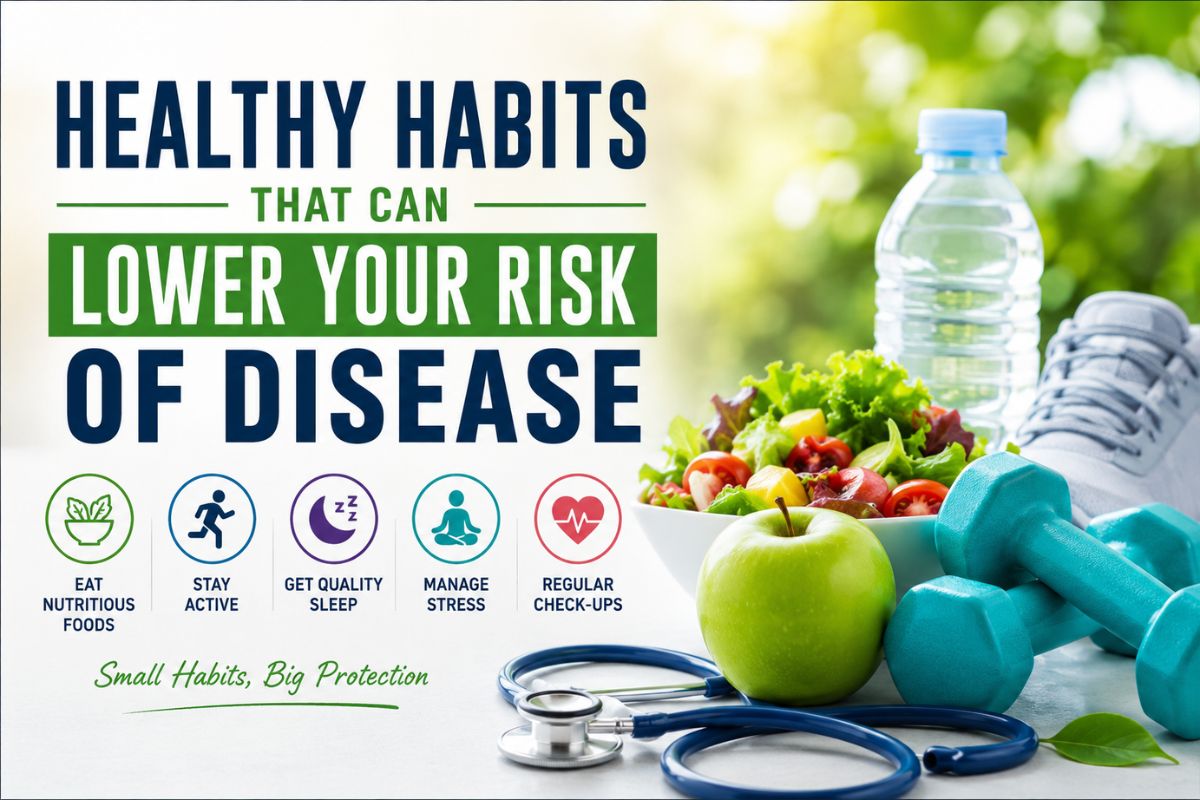
Healthy Habits That Can Lower Your Risk of Disease
In today’s fast-paced world, chronic diseases such as heart disease, type 2 diabetes, obesity, and certain cancers have become increasingly common. While genetics and age play a role in overall health, research consistently shows that daily lifestyle choices can significantly influence your risk of developing many preventable diseases.
The good news is that adopting healthy habits doesn’t require a complete life overhaul. Small, consistent changes can have a powerful impact on your long-term health and well-being. Here are some of the most effective healthy habits that can help lower your risk of disease and improve your quality of life.
1. Eat a Balanced and Nutrient-Rich Diet
A healthy diet is one of the most important foundations of disease prevention. The foods you eat provide the nutrients your body needs to function properly, support immunity, and reduce inflammation.
Focus on including:
- Fruits and vegetables
- Whole grains
- Lean proteins
- Healthy fats such as avocados, nuts, and olive oil
- Legumes and beans
Try to limit highly processed foods, sugary beverages, excessive sodium, and trans fats. A diet rich in fiber, vitamins, minerals, and antioxidants can help protect against heart disease, diabetes, and certain types of cancer.
2. Stay Physically Active
Regular exercise offers numerous health benefits beyond weight management. Physical activity helps strengthen the heart, improve circulation, regulate blood sugar levels, and support mental health.
Health experts generally recommend at least 150 minutes of moderate-intensity exercise each week. Activities may include:
- Brisk walking
- Cycling
- Swimming
- Dancing
- Strength training
Even small amounts of movement throughout the day can make a difference. Taking the stairs, walking during breaks, or doing household chores can contribute to a more active lifestyle.
3. Maintain a Healthy Weight
Excess body weight is associated with an increased risk of several chronic conditions, including heart disease, high blood pressure, type 2 diabetes, and certain cancers.
Rather than focusing on quick fixes or restrictive diets, aim for sustainable lifestyle changes. Combining healthy eating habits with regular physical activity can help you achieve and maintain a healthy weight over time.
Remember that even modest weight loss can lead to significant improvements in overall health markers.
4. Prioritize Quality Sleep
Sleep is often overlooked when discussing disease prevention, yet it plays a critical role in maintaining good health.
Adults should aim for seven to nine hours of quality sleep each night. Poor sleep has been linked to:
- Increased inflammation
- Weakened immune function
- Weight gain
- Heart disease
- Diabetes
To improve sleep quality:
- Maintain a consistent sleep schedule
- Limit screen time before bed
- Keep your bedroom cool and dark
- Avoid large meals and caffeine late in the day
Making sleep a priority can improve both physical and mental health.
5. Manage Stress Effectively
Chronic stress can negatively impact nearly every system in the body. Over time, prolonged stress may contribute to high blood pressure, weakened immunity, digestive issues, and mental health challenges.
Healthy ways to manage stress include:
- Meditation
- Deep breathing exercises
- Yoga
- Spending time in nature
- Talking with friends or family
- Engaging in hobbies
Learning to manage stress effectively can reduce inflammation and support long-term health.
6. Stay Hydrated
Water is essential for nearly every bodily function, including digestion, circulation, temperature regulation, and nutrient transport.
Dehydration can lead to fatigue, headaches, poor concentration, and reduced physical performance. Drinking enough water throughout the day supports overall health and may help maintain healthy kidney function.
A simple habit like carrying a reusable water bottle can encourage better hydration.
7. Avoid Smoking and Tobacco Products
Smoking remains one of the leading preventable causes of disease and premature death. It significantly increases the risk of:
- Lung cancer
- Heart disease
- Stroke
- Chronic obstructive pulmonary disease (COPD)
If you currently smoke, quitting can provide immediate and long-term health benefits. The body begins repairing itself shortly after smoking cessation, reducing disease risk over time.
8. Limit Alcohol Consumption
Excessive alcohol intake can increase the risk of liver disease, heart problems, certain cancers, and other health conditions.
If you choose to drink alcohol, moderation is key. Following recommended guidelines and avoiding binge drinking can help reduce health risks.
Many people also find benefits in reducing alcohol consumption or choosing alcohol-free alternatives.
9. Keep Up with Preventive Healthcare
Regular health screenings and medical checkups can help identify potential health issues before they become serious.
Preventive care may include:
- Blood pressure checks
- Cholesterol testing
- Blood sugar screening
- Cancer screenings
- Vaccinations
Early detection often leads to more effective treatment and better health outcomes.
10. Build Strong Social Connections
Human connection plays an important role in overall wellness. Studies suggest that strong social relationships may contribute to longer life expectancy and lower rates of chronic disease.
Spending time with family, friends, and community groups can help reduce stress, improve emotional well-being, and support healthy lifestyle habits.
Even simple social interactions can positively impact mental and physical health.
Final Thoughts
Disease prevention is not about achieving perfection. Instead, it’s about making consistent choices that support your overall well-being. Healthy eating, regular exercise, quality sleep, stress management, hydration, and preventive healthcare all work together to reduce your risk of disease and improve your quality of life.
Start with one or two habits that feel manageable and gradually build from there. Over time, these small daily actions can lead to significant health benefits and help you enjoy a healthier future.
Health Disclaimer
This article is for informational and educational purposes only and should not be considered medical advice. Always consult a qualified healthcare professional before making significant changes to your diet, exercise routine, or health practices, especially if you have existing medical conditions or concerns.