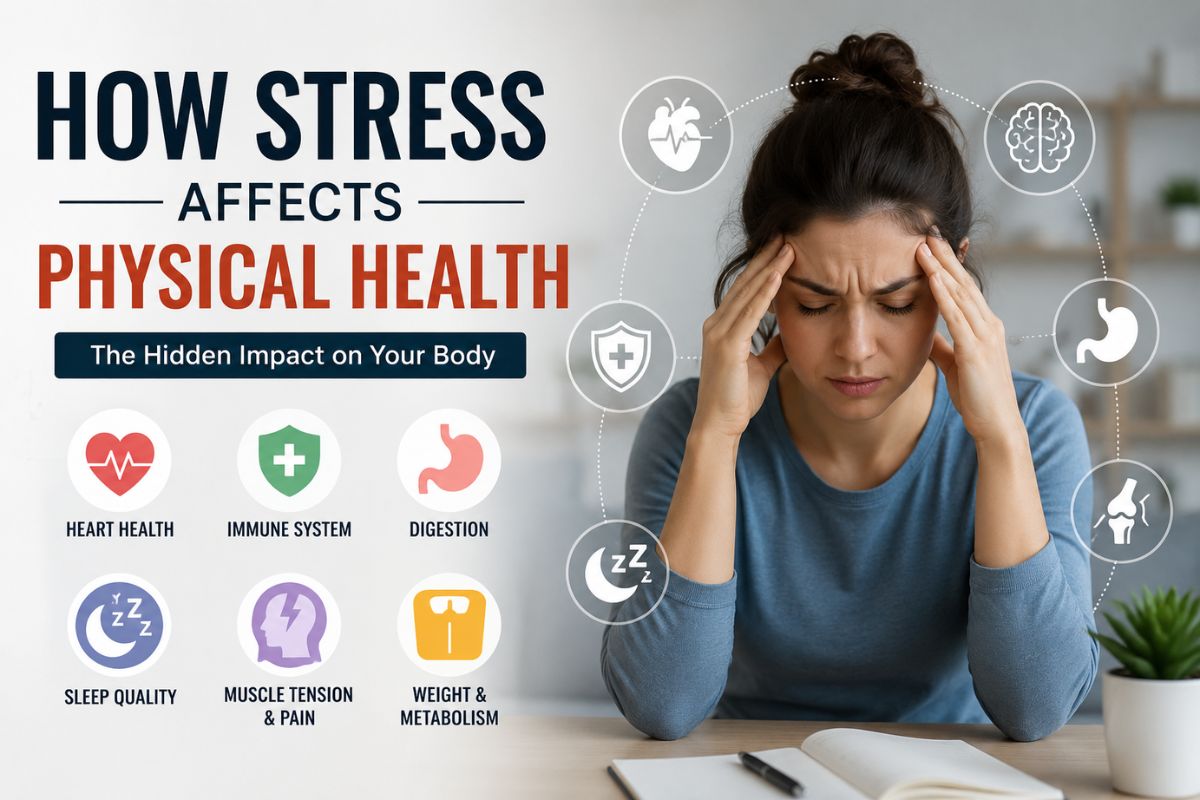
How Stress Affects Physical Health
Stress is a normal part of life. Whether it’s meeting work deadlines, managing finances, raising a family, or dealing with unexpected challenges, everyone experiences stress from time to time. While short-term stress can sometimes help people stay focused and motivated, chronic stress can have a significant impact on physical health.
Many people think of stress as an emotional or mental issue, but its effects extend throughout the entire body. Understanding how stress affects physical health can help you recognize warning signs and take steps to protect your well-being.
What Happens in the Body During Stress?
When you encounter a stressful situation, your body activates its “fight-or-flight” response. This survival mechanism releases stress hormones such as cortisol and adrenaline into the bloodstream.
These hormones prepare your body to respond to perceived danger by:
- Increasing heart rate
- Raising blood pressure
- Boosting energy levels
- Increasing alertness
- Redirecting blood flow to major muscles
While this response is helpful during emergencies, problems can arise when stress becomes constant. Long-term exposure to elevated stress hormones can negatively affect multiple body systems.
Stress and Heart Health
One of the most well-known effects of chronic stress is its impact on cardiovascular health.
When stress hormones remain elevated for extended periods, they can contribute to:
- High blood pressure
- Increased heart rate
- Inflammation within blood vessels
- Greater risk of heart disease
People under chronic stress may also develop unhealthy habits such as overeating, smoking, excessive alcohol consumption, or physical inactivity, all of which can further increase cardiovascular risks.
Maintaining healthy stress levels may support better heart health and overall wellness.
Effects on the Immune System
Stress can weaken the body’s natural defenses.
Short-term stress may temporarily stimulate immune function, but chronic stress often suppresses the immune system over time. As a result, individuals experiencing ongoing stress may:
- Catch colds more frequently
- Recover more slowly from illness
- Experience increased inflammation
- Become more vulnerable to infections
A weakened immune response can make it harder for the body to stay healthy and fight off common illnesses.
Digestive Problems Caused by Stress
The digestive system is particularly sensitive to stress.
Stress can affect digestion by altering gut function and disrupting communication between the brain and digestive tract. Common digestive symptoms associated with stress include:
- Stomach discomfort
- Nausea
- Indigestion
- Diarrhea
- Constipation
- Bloating
Research has also highlighted the strong connection between mental health and gut health, often referred to as the “gut-brain axis.” Chronic stress may contribute to digestive disorders and worsen existing gastrointestinal conditions.
Stress and Sleep Quality
Many people notice sleep problems during stressful periods.
Stress can make it difficult to:
- Fall asleep
- Stay asleep
- Achieve restful sleep
- Maintain a consistent sleep schedule
Unfortunately, poor sleep can create a vicious cycle. Lack of sleep increases stress levels, while increased stress further disrupts sleep quality.
Over time, chronic sleep deprivation may contribute to fatigue, reduced concentration, weakened immunity, and other health concerns.
Muscle Tension and Physical Pain
Stress often causes muscles to tighten as part of the body’s protective response.
When stress persists, muscles may remain in a semi-contracted state for extended periods, leading to:
- Neck pain
- Shoulder tension
- Back pain
- Headaches
- Jaw discomfort
Many people who experience chronic stress report frequent tension headaches and general body aches.
Regular stretching, physical activity, and relaxation techniques can help reduce muscle tension associated with stress.
Impact on Weight and Metabolism
Stress can influence body weight in different ways.
For some individuals, stress leads to emotional eating and increased cravings for high-calorie foods rich in sugar and fat. Elevated cortisol levels may also encourage fat storage, particularly around the abdominal area.
Others may experience a reduced appetite and unintentional weight loss during stressful periods.
In either case, chronic stress can disrupt normal eating patterns and make maintaining a healthy weight more challenging.
Effects on Skin Health
The skin often reflects what’s happening inside the body.
Stress may contribute to:
- Acne breakouts
- Increased skin sensitivity
- Eczema flare-ups
- Psoriasis symptoms
- Delayed wound healing
Because stress promotes inflammation, skin conditions can become more noticeable or difficult to manage during stressful periods.
How to Manage Stress for Better Physical Health
Although eliminating stress entirely is impossible, there are many effective ways to manage it.
Consider incorporating these healthy habits into your daily routine:
Exercise Regularly
Physical activity helps reduce stress hormones while boosting mood-enhancing chemicals known as endorphins.
Prioritize Sleep
Aim for seven to nine hours of quality sleep each night to support physical and mental health.
Practice Mindfulness
Meditation, deep breathing exercises, and mindfulness practices can help calm the nervous system.
Eat a Balanced Diet
Nutritious foods provide the body with essential nutrients needed to handle stress more effectively.
Stay Connected
Maintaining strong relationships with friends and family can provide emotional support during challenging times.
Take Breaks
Scheduling regular breaks throughout the day can help prevent burnout and reduce stress levels.
Conclusion
Stress is more than just a mental burden—it can affect nearly every system in the body. From heart health and immune function to digestion, sleep, and weight management, chronic stress can have wide-ranging consequences for physical well-being.
Recognizing the signs of stress and adopting healthy coping strategies can help protect both your physical and mental health. By making stress management a priority, you can improve your quality of life and support long-term wellness.
Health Disclaimer: This article is for informational and educational purposes only and is not intended as medical advice. Always consult a qualified healthcare professional regarding any medical concerns, symptoms, or treatment decisions.