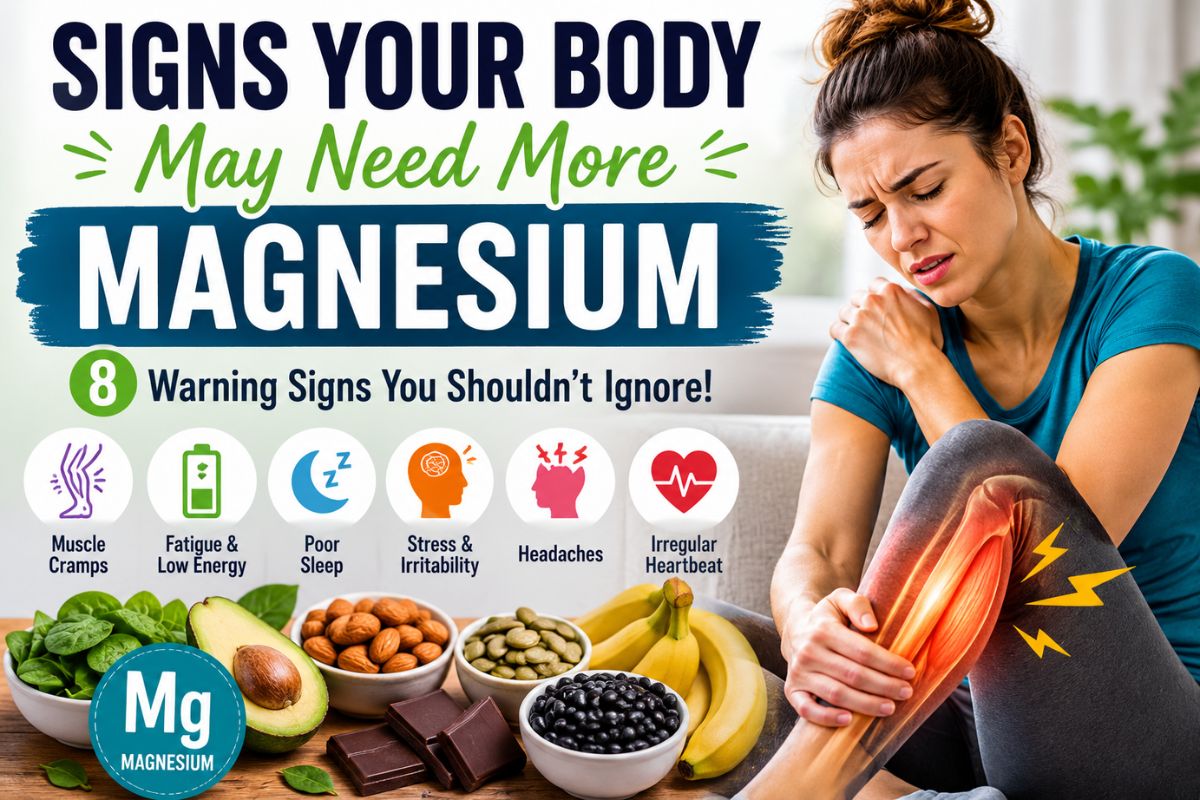
Signs Your Body May Need More Magnesium
Magnesium is one of the most important minerals in the human body, yet many Americans don’t get enough of it through their daily diet. This essential nutrient plays a role in more than 300 biochemical processes, helping support muscle function, nerve health, energy production, heart health, and bone strength.
Because magnesium is involved in so many bodily functions, a deficiency can lead to a wide range of symptoms. Unfortunately, these signs are often overlooked or mistaken for other health concerns. Understanding the warning signs may help you identify whether your body needs more magnesium.
Why Magnesium Is Important
Magnesium helps regulate muscle contractions, supports a healthy nervous system, contributes to normal blood pressure levels, and aids in the production of energy. It also works alongside calcium and vitamin D to maintain strong bones.
While magnesium is naturally found in foods such as leafy green vegetables, nuts, seeds, beans, and whole grains, many people consume diets that fall short of recommended levels.
Common Signs Your Body May Need More Magnesium
1. Frequent Muscle Cramps and Spasms
One of the most common signs of low magnesium is muscle cramping. Magnesium helps muscles relax after contraction. When levels are too low, muscles may contract involuntarily, leading to cramps, twitching, or spasms.
Many people experience leg cramps at night, eyelid twitching, or unexplained muscle tightness. While muscle cramps can have multiple causes, inadequate magnesium intake may be one contributing factor.
2. Persistent Fatigue and Low Energy
Feeling tired despite getting enough sleep could be another sign that your body needs more magnesium. This mineral plays a critical role in converting food into energy at the cellular level.
When magnesium levels are low, the body may struggle to produce energy efficiently, resulting in fatigue, weakness, and a general lack of motivation throughout the day.
3. Difficulty Sleeping
Magnesium supports relaxation and helps regulate neurotransmitters that influence sleep. Individuals with low magnesium levels may experience difficulty falling asleep, frequent nighttime awakenings, or poor sleep quality.
Many people find that improving their magnesium intake supports a more restful sleep routine and helps them wake up feeling refreshed.
4. Increased Stress and Irritability
Magnesium is often called the “relaxation mineral” because of its role in supporting the nervous system. Low magnesium levels may contribute to feelings of stress, nervousness, irritability, and mood changes.
While magnesium is not a treatment for anxiety or mental health conditions, maintaining adequate levels can support overall emotional well-being and healthy stress management.
5. Headaches and Migraines
Some research suggests that magnesium may play a role in supporting normal blood vessel function and nerve signaling. Low magnesium levels have been associated with an increased likelihood of headaches and migraines in certain individuals.
If you experience frequent headaches, it may be worthwhile to evaluate your overall diet and magnesium intake as part of a broader wellness strategy.
6. Irregular Heartbeat or Heart Palpitations
Magnesium helps maintain normal heart rhythm and supports cardiovascular health. In some cases, insufficient magnesium may contribute to sensations such as heart palpitations or an irregular heartbeat.
Because heart-related symptoms can have serious causes, it’s important to consult a healthcare professional if you experience unusual heart rhythms or chest discomfort.
7. Numbness or Tingling Sensations
The nervous system relies on magnesium for proper function. Low magnesium levels can sometimes lead to numbness, tingling, or unusual sensations in the hands, feet, or other parts of the body.
These symptoms can also be linked to other medical conditions, making professional evaluation important if they persist.
8. Weak Bones
Many people associate calcium with bone health, but magnesium is equally important. Approximately 60% of the body’s magnesium is stored in the bones.
Low magnesium intake over time may negatively affect bone density and overall skeletal health. Ensuring adequate magnesium consumption is one component of maintaining strong bones as you age.
Who Is More Likely to Have Low Magnesium?
Certain groups may be at higher risk of magnesium deficiency, including:
- Older adults
- People with digestive disorders
- Individuals with type 2 diabetes
- Heavy alcohol users
- Those consuming highly processed diets
- People taking certain medications that affect magnesium absorption
If you fall into one of these categories, paying attention to magnesium intake may be particularly important.
Foods Rich in Magnesium
The good news is that many nutritious foods contain magnesium. Some excellent sources include:
- Spinach and kale
- Almonds and cashews
- Pumpkin seeds
- Black beans
- Avocados
- Whole grains
- Dark chocolate
- Edamame
Adding more of these foods to your meals can help support healthy magnesium levels naturally.
Should You Consider a Magnesium Supplement?
While many people can meet their needs through diet alone, some individuals may choose to use magnesium supplements. Before starting any supplement, it’s best to consult a healthcare provider, especially if you have existing health conditions or take medications.
Different forms of magnesium are available, including magnesium citrate, magnesium glycinate, and magnesium oxide. A healthcare professional can help determine which option may be most appropriate for your needs.
Final Thoughts
Magnesium is an essential mineral that supports numerous functions throughout the body. Frequent muscle cramps, fatigue, sleep difficulties, headaches, irritability, and other symptoms may indicate that your magnesium intake is lower than optimal.
Eating a balanced diet rich in magnesium-containing foods is one of the best ways to support overall health and wellness. If you suspect a deficiency, speaking with a healthcare professional can help you determine the best approach for maintaining healthy magnesium levels.
Disclaimer: This article is for informational purposes only and should not be considered medical advice. Always consult a qualified healthcare provider regarding any health concerns or before starting supplements.