The Benefits of Regular Health Screenings
In today’s fast-paced world, many people focus on treating health problems only after symptoms appear. However, preventive healthcare is one of the most effective ways to maintain long-term wellness. Regular health screenings play a crucial role in identifying potential health issues before they become serious, helping individuals take proactive steps toward a healthier future.
Whether you’re in your 20s, 40s, or beyond, routine health screenings can provide valuable insights into your overall health and significantly improve your quality of life. Understanding the benefits of regular health screenings can help you make informed decisions about your healthcare and well-being.
What Are Health Screenings?
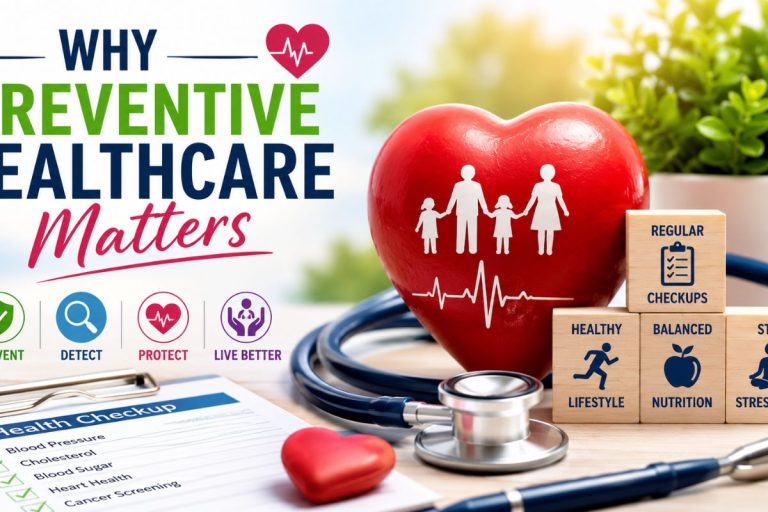
Health screenings are medical tests, examinations, or assessments designed to detect diseases, risk factors, or health conditions before symptoms develop. These screenings may include blood pressure checks, cholesterol tests, blood sugar monitoring, cancer screenings, vision exams, and other preventive evaluations.
The primary goal of health screenings is early detection. Many serious conditions, such as heart disease, diabetes, and certain cancers, often develop silently without noticeable symptoms. Regular screenings help healthcare providers identify these issues early when treatment is often more effective and less costly.
Early Detection Saves Lives
One of the most important benefits of regular health screenings is the early detection of diseases. Many chronic conditions can progress for years before symptoms become apparent.
For example, high blood pressure is often called the “silent killer” because it may not cause noticeable symptoms until significant damage has occurred. Routine blood pressure screenings can identify hypertension early, allowing individuals to make lifestyle changes or begin treatment before complications arise.
Similarly, cancer screenings such as mammograms, colonoscopies, and skin examinations can detect cancer in its earliest stages. Early-stage cancers are generally easier to treat and have higher survival rates compared to cancers diagnosed after symptoms appear.
Improved Management of Chronic Conditions
Health screenings are not only beneficial for detecting new health issues but also for managing existing conditions. Individuals living with diabetes, high cholesterol, or heart disease can use regular screenings to monitor their health and track treatment effectiveness.
Routine monitoring allows healthcare providers to adjust medications, recommend lifestyle changes, and prevent complications before they become severe. This ongoing assessment helps patients maintain better control over their conditions and improve their overall quality of life.
Reduced Healthcare Costs
Many people avoid health screenings because they are concerned about costs. However, preventive care often saves money in the long run.
Detecting a health problem early can significantly reduce the need for expensive treatments, hospitalizations, surgeries, or emergency care later. Treating a condition in its early stages is typically less complex and more affordable than managing advanced disease.
Additionally, many health insurance plans in the United States cover preventive screenings at little or no cost, making them an accessible and cost-effective investment in long-term health.
Better Understanding of Personal Health Risks
Every individual has unique health risks based on factors such as age, family history, lifestyle, and genetics. Regular health screenings provide valuable information about these risks and help individuals make informed decisions about their health.
For example, if screenings reveal elevated cholesterol levels or prediabetes, a person can take action through dietary changes, increased physical activity, and other healthy habits before the condition progresses.
Understanding personal health risks empowers individuals to become active participants in their healthcare journey rather than simply reacting to illness after it occurs.
Encouragement for Healthier Lifestyle Choices
Health screenings often serve as a powerful motivation for adopting healthier habits. Seeing measurable health data can encourage individuals to make positive changes in areas such as nutrition, exercise, sleep, and stress management.
When people understand how their daily habits affect their health markers, they are often more motivated to maintain healthy behaviors. Small lifestyle changes can lead to significant improvements in blood pressure, cholesterol levels, body weight, and overall wellness.
Preventive healthcare is not just about identifying problems—it’s also about promoting long-term healthy living.
Enhanced Longevity and Quality of Life
Regular health screenings contribute to both a longer lifespan and a better quality of life. By detecting diseases early and managing health risks effectively, individuals can avoid many complications associated with chronic illnesses.
Preventive care helps people stay active, independent, and engaged in their daily activities for longer periods. Maintaining good health allows individuals to enjoy their careers, family life, hobbies, and personal goals without unnecessary health limitations.
Rather than simply adding years to life, regular screenings help add life to those years.
Common Health Screenings Adults Should Consider
The specific screenings recommended for each person vary based on age, sex, medical history, and risk factors. Some commonly recommended screenings include:
- Blood pressure screening
- Cholesterol testing
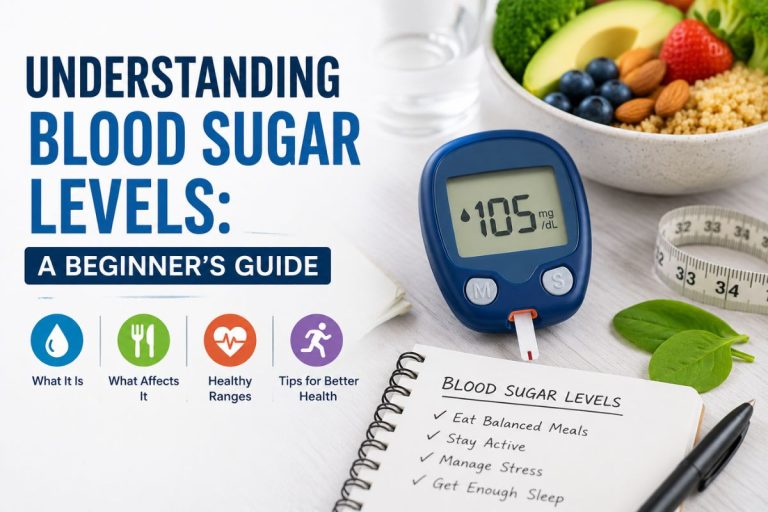
- Blood glucose and diabetes screening
- Body mass index (BMI) assessment
- Colorectal cancer screening
- Breast cancer screening
- Cervical cancer screening
- Prostate health evaluations
- Skin cancer examinations
- Vision and hearing tests
- Bone density testing for older adults
Consulting with a healthcare provider can help determine which screenings are most appropriate for your individual needs.
Conclusion
Regular health screenings are one of the most effective tools for protecting your long-term health. They provide early detection of diseases, support the management of chronic conditions, reduce healthcare costs, and encourage healthier lifestyle choices. Most importantly, they empower individuals to take control of their health before problems become serious.
Preventive healthcare is not just about avoiding illness—it’s about creating a foundation for a healthier, more active, and more fulfilling life. Scheduling routine health screenings today can be a small step that leads to significant benefits for years to come.