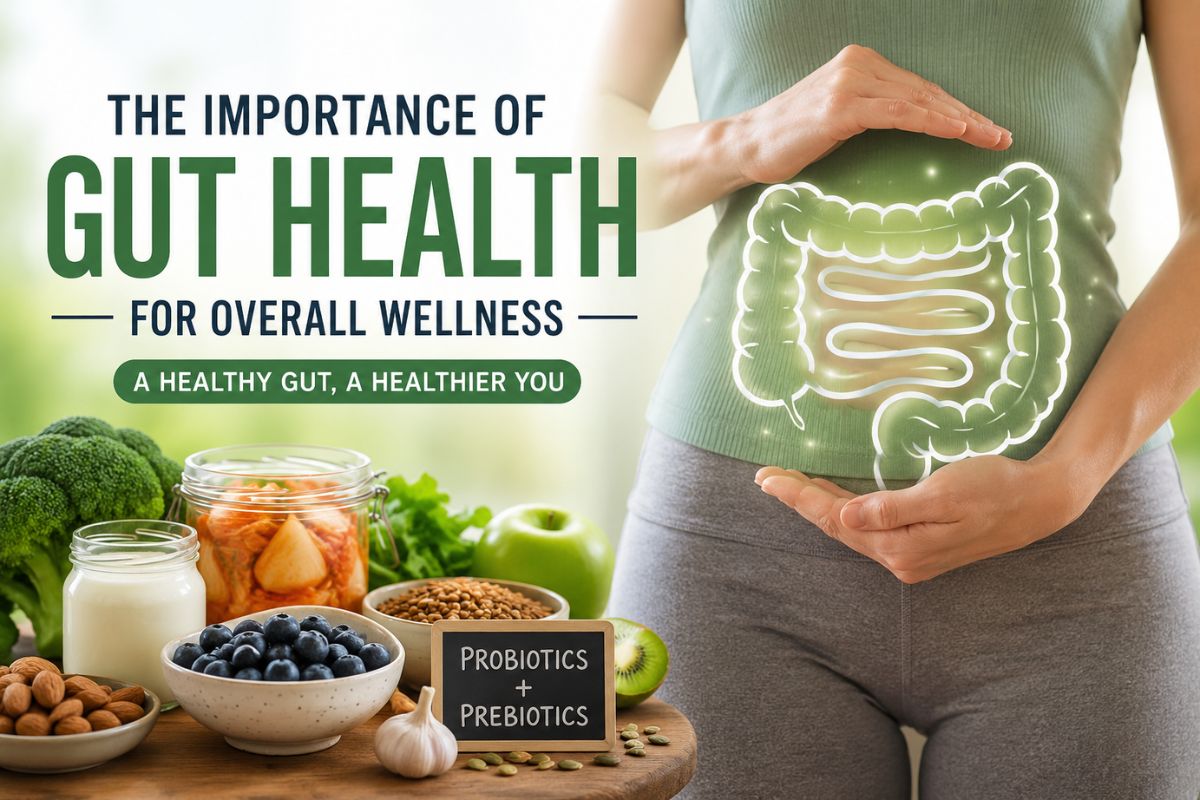
The Importance of Gut Health for Overall Wellness
In recent years, gut health has become one of the most discussed topics in the health and wellness community. While many people associate the gut simply with digestion, modern research suggests that it plays a much larger role in overall health. From supporting the immune system to influencing mood and energy levels, a healthy gut is essential for overall wellness.
Understanding why gut health matters and how to maintain it can help you make informed lifestyle choices that benefit your long-term health.
What Is Gut Health?
Gut health refers to the balance and function of microorganisms living in the digestive tract, commonly known as the gut microbiome. The human gut contains trillions of bacteria, fungi, and other microbes that work together to support various bodily functions.
Not all bacteria are harmful. In fact, many beneficial bacteria help digest food, produce essential nutrients, support the immune system, and protect against harmful pathogens. A healthy gut typically contains a diverse and balanced population of these beneficial microorganisms.
When this balance is disrupted, it can lead to digestive discomfort and may affect other aspects of physical and mental health.
The Connection Between Gut Health and Digestion
One of the primary functions of the gut microbiome is supporting digestion. Beneficial bacteria help break down certain foods that the body cannot digest on its own. They also assist in absorbing nutrients from food and producing compounds that support digestive health.
An unhealthy gut may contribute to symptoms such as:
- Bloating
- Gas
- Constipation
- Diarrhea
- Indigestion
- Stomach discomfort
While occasional digestive issues are common, persistent symptoms may indicate an imbalance in gut bacteria or other digestive concerns.
Gut Health and the Immune System
Many people are surprised to learn that a large portion of the immune system is closely connected to the digestive tract. The gut acts as a barrier that helps prevent harmful substances from entering the bloodstream.
Beneficial gut bacteria help regulate immune responses and support the body’s natural defenses. A healthy microbiome can contribute to stronger immune function, while an imbalance may affect the body’s ability to respond effectively to infections and other health challenges.
This is one reason why maintaining gut health is often considered an important part of overall wellness and disease prevention.
The Gut-Brain Connection
Scientists have discovered a strong relationship between the gut and the brain, often referred to as the “gut-brain axis.” The gut and brain communicate continuously through a network of nerves, hormones, and chemical signals.
Interestingly, the gut produces many neurotransmitters that influence mood and emotional well-being. For example, a significant amount of the body’s serotonin, often called the “feel-good” chemical, is produced in the digestive tract.
Research suggests that gut health may influence:
- Mood
- Stress levels
- Mental clarity
- Sleep quality
- Emotional well-being
Although gut health is only one factor affecting mental health, maintaining a healthy digestive system may contribute positively to overall emotional wellness.
Signs Your Gut Health May Need Attention
While everyone experiences occasional digestive issues, certain signs may suggest that your gut health could benefit from improvement.
Common indicators include:
- Frequent bloating or gas
- Irregular bowel movements
- Food sensitivities
- Low energy levels
- Difficulty sleeping
- Frequent illness
- Unexplained changes in weight
If these symptoms persist, consulting a healthcare professional can help identify the underlying cause.
How to Improve Gut Health Naturally
The good news is that several lifestyle habits can help support a healthy gut microbiome.
1. Eat More Fiber-Rich Foods
Dietary fiber serves as food for beneficial gut bacteria. Fruits, vegetables, whole grains, legumes, nuts, and seeds are excellent sources of fiber that support digestive health.
2. Include Fermented Foods
Fermented foods contain beneficial bacteria that may help support microbiome diversity. Popular options include:
- Yogurt with live cultures
- Kefir
- Sauerkraut
- Kimchi
- Miso
- Kombucha
3. Stay Hydrated
Drinking enough water supports healthy digestion and helps maintain regular bowel movements. Proper hydration also contributes to overall health and wellness.
4. Limit Highly Processed Foods
Highly processed foods often contain added sugars, unhealthy fats, and artificial ingredients that may negatively affect gut bacteria. Choosing whole, minimally processed foods can help promote a healthier microbiome.
5. Manage Stress
Chronic stress can influence digestive function and impact the balance of gut bacteria. Activities such as walking, meditation, yoga, and deep breathing exercises may help support both mental and digestive health.
6. Prioritize Quality Sleep
Poor sleep can affect gut health, while gut health may also influence sleep quality. Most adults should aim for seven to nine hours of quality sleep each night.
The Role of Probiotics and Prebiotics
Probiotics are beneficial live microorganisms that may help support gut health when consumed in adequate amounts. They are found in certain foods and dietary supplements.
Prebiotics, on the other hand, are types of fiber that nourish beneficial gut bacteria. Foods such as garlic, onions, bananas, asparagus, and oats are natural sources of prebiotics.
Combining probiotics and prebiotics may help support a balanced and thriving gut microbiome.
Final Thoughts
Gut health plays a vital role in much more than digestion. A healthy gut supports nutrient absorption, immune function, energy levels, and even mental well-being. As researchers continue to learn more about the gut microbiome, it is becoming increasingly clear that caring for your digestive system is an important part of maintaining overall wellness.
Simple habits such as eating a fiber-rich diet, staying hydrated, managing stress, and getting adequate sleep can go a long way toward supporting a healthy gut. By making gut health a priority, you can help create a strong foundation for better long-term health and well-being.
Health Disclaimer
This article is for informational purposes only and should not be considered medical advice. Always consult a qualified healthcare professional before making significant changes to your diet, lifestyle, or supplement routine, especially if you have existing health conditions or concerns.