The Hidden Effects of Poor Sleep on Your Body
Sleep is one of the most important pillars of good health, yet millions of Americans struggle to get enough quality rest each night. According to health experts, adults generally need between seven and nine hours of sleep for optimal well-being. However, busy schedules, stress, technology use, and lifestyle habits often interfere with healthy sleep patterns.
While many people associate poor sleep with feeling tired the next day, the effects extend far beyond fatigue. Chronic sleep deprivation can quietly impact nearly every system in the body, increasing the risk of various health problems over time. Understanding these hidden effects can help individuals make sleep a greater priority and protect their long-term health.
Sleep and Brain Function
One of the first areas affected by insufficient sleep is the brain. During sleep, the brain processes information, forms memories, and clears away waste products that accumulate throughout the day. When sleep is limited, these essential functions become less efficient.
People who consistently get inadequate sleep may experience difficulty concentrating, reduced attention span, slower reaction times, and impaired decision-making. Tasks that normally seem simple can become more challenging, affecting performance at work, school, and daily activities.
Poor sleep can also influence emotional well-being. Lack of rest may increase irritability, stress levels, and mood swings. Over time, chronic sleep deprivation has been linked to a higher risk of anxiety and depression.
Increased Risk of Weight Gain
Many Americans focus on diet and exercise when trying to manage their weight, but sleep also plays a significant role. Poor sleep can disrupt hormones that regulate hunger and appetite.
When a person does not get enough sleep, the body tends to produce more ghrelin, a hormone that stimulates hunger, while reducing levels of leptin, which signals fullness. This hormonal imbalance can lead to increased cravings, particularly for high-calorie foods rich in sugar and fat.
In addition, fatigue often reduces motivation to exercise and remain physically active. Combined with increased calorie intake, these factors can contribute to weight gain and obesity over time.
Effects on Heart Health
The cardiovascular system relies on adequate sleep for recovery and maintenance. During sleep, blood pressure naturally decreases, giving the heart and blood vessels an opportunity to rest.
Chronic sleep deprivation may interfere with this process and contribute to elevated blood pressure levels. Research has also shown associations between poor sleep and an increased risk of heart disease, stroke, and other cardiovascular conditions.
For many Americans already dealing with risk factors such as obesity, diabetes, or high cholesterol, inadequate sleep may add another layer of strain on heart health.
Weakened Immune System
Sleep plays a crucial role in supporting the body’s immune defenses. During restful sleep, the immune system produces proteins and cells that help fight infections and promote healing.
When sleep is consistently disrupted, the body’s ability to defend itself may weaken. Individuals who are sleep-deprived may find themselves getting sick more frequently or taking longer to recover from illnesses.
This weakened immune response can make it harder to fight common infections such as colds and flu while potentially affecting overall resilience and recovery.
Impact on Blood Sugar Regulation
Poor sleep can interfere with how the body processes glucose, which is the primary source of energy for cells. Sleep deprivation may reduce insulin sensitivity, making it more difficult for the body to regulate blood sugar levels effectively.
Over time, this can increase the risk of developing insulin resistance and Type 2 diabetes. Considering that millions of Americans already face challenges related to blood sugar management, maintaining healthy sleep habits can be an important part of overall metabolic health.
Hormonal Imbalances
Sleep influences numerous hormones throughout the body. Inadequate rest can disrupt the balance of hormones responsible for growth, stress management, appetite regulation, and reproductive health.
For example, poor sleep may increase levels of cortisol, commonly known as the stress hormone. Elevated cortisol levels over extended periods can contribute to weight gain, increased blood pressure, and greater stress.
Hormonal disruptions may also affect energy levels, mood, and overall physical performance, making daily life more challenging.
Reduced Physical Recovery
Whether someone exercises regularly or simply engages in everyday activities, the body relies on sleep for recovery and repair. During deep sleep stages, tissues are repaired, muscles recover, and growth hormones are released.
Without sufficient sleep, recovery processes may slow down. Individuals may experience more soreness, longer recovery times after exercise, and increased susceptibility to injuries. Athletes and physically active adults often notice performance declines when sleep quality suffers.
Effects on Skin Health
The skin also benefits from adequate sleep. During sleep, the body repairs damaged skin cells and supports healthy collagen production. Chronic sleep deprivation can contribute to dull-looking skin, increased signs of aging, and reduced skin resilience.
Many people refer to sleep as “beauty rest” for a reason. Consistent, high-quality sleep supports a healthier appearance while promoting the body’s natural repair processes.
Improving Sleep Quality
The good news is that small lifestyle changes can often improve sleep quality. Maintaining a consistent sleep schedule, limiting screen time before bed, creating a comfortable sleep environment, and avoiding excessive caffeine late in the day can all support healthier sleep habits.
Regular physical activity and stress-management techniques such as meditation or relaxation exercises may also help improve sleep quality.
Conclusion
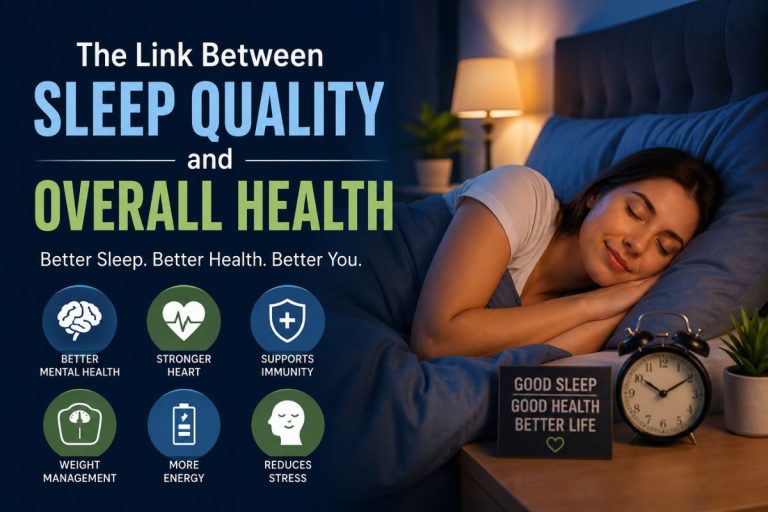
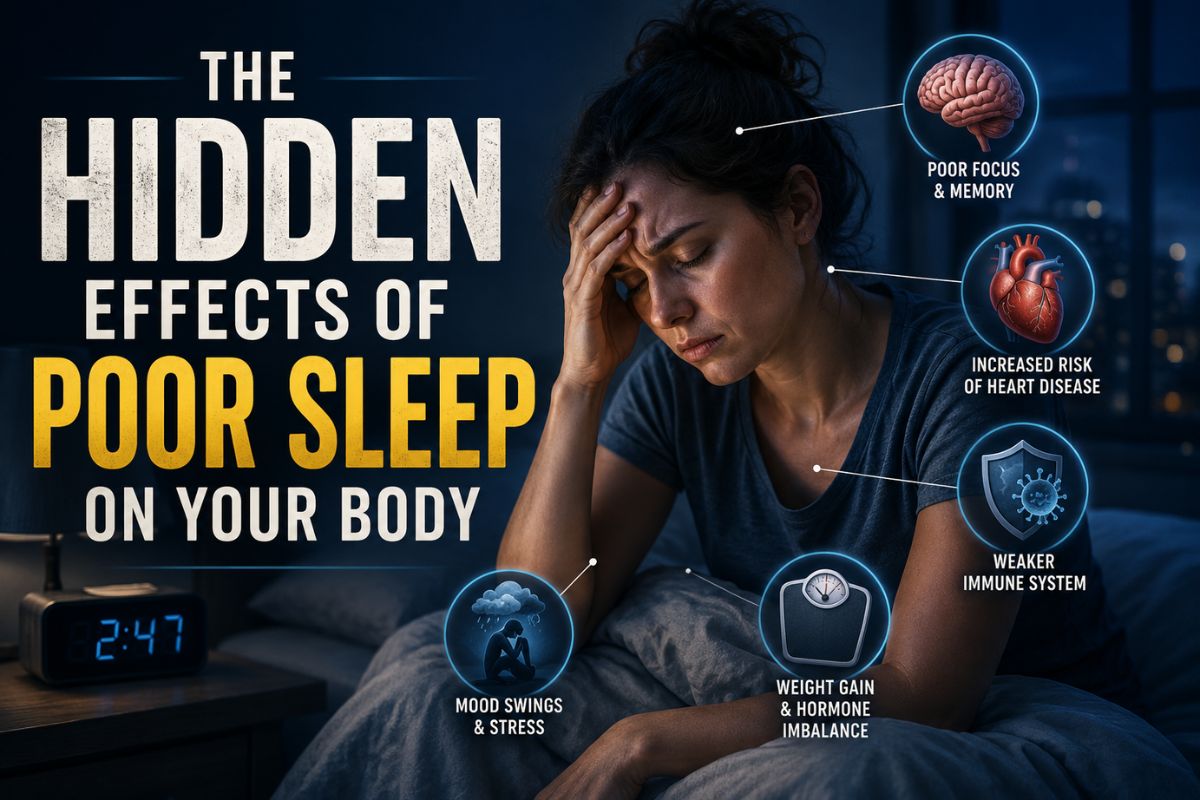
Poor sleep affects much more than energy levels. It can influence brain function, heart health, immune defenses, weight management, blood sugar regulation, hormone balance, physical recovery, and even skin appearance. These hidden effects often develop gradually, making them easy to overlook until health problems arise.
For Americans seeking to improve their overall well-being, prioritizing quality sleep is one of the most valuable investments they can make. Consistently getting enough restful sleep supports both physical and mental health, helping the body function at its best every day.