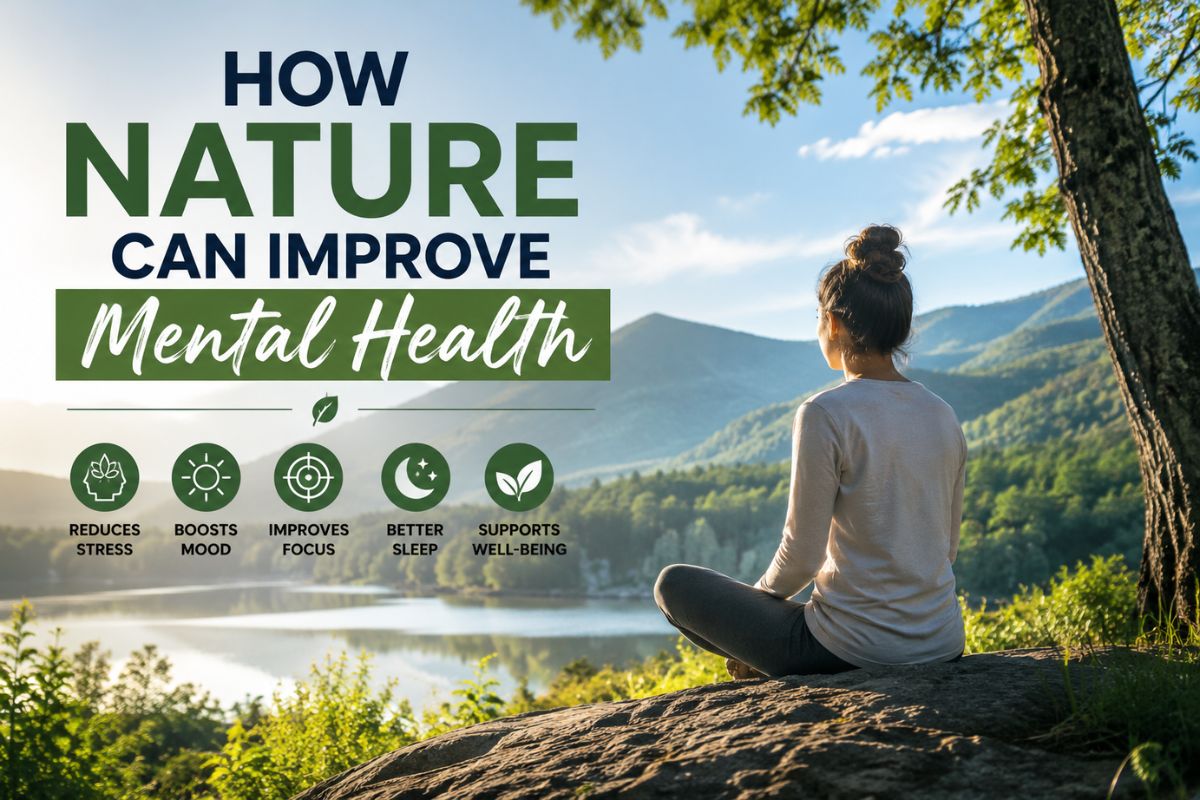
How Nature Can Improve Mental Health
In today’s fast-paced world, stress, anxiety, and mental fatigue have become increasingly common. Many Americans spend most of their day indoors, working on computers, commuting in traffic, and managing endless responsibilities. While modern technology offers convenience, it often disconnects us from one of the most powerful tools for emotional well-being: nature.
Spending time in natural environments can have a remarkable impact on mental health. Whether it’s a walk through a local park, a hike in the mountains, gardening in your backyard, or simply sitting under a tree, nature offers benefits that can help improve mood, reduce stress, and support overall mental wellness.
The Connection Between Nature and Mental Health
Humans have evolved alongside nature for thousands of years. Our brains and bodies are naturally designed to respond positively to green spaces, fresh air, sunlight, and natural surroundings. Research continues to show that spending time outdoors can help lower stress levels, improve concentration, and promote feelings of happiness and relaxation.
When people spend time in nature, they often experience a break from daily pressures and constant digital stimulation. This allows the mind to slow down and recover from mental exhaustion. Even short periods outdoors can provide noticeable improvements in mood and mental clarity.
Nature Helps Reduce Stress
One of the most immediate benefits of spending time outdoors is stress reduction. Natural settings can help calm the nervous system and lower the production of stress hormones such as cortisol.
Have you ever noticed how peaceful you feel while listening to birds sing, watching ocean waves, or walking through a forest? These experiences encourage relaxation and help shift attention away from worries and negative thoughts.
Many people report feeling calmer after spending just 20 to 30 minutes in a natural environment. This simple habit can become an effective way to manage everyday stress and support emotional balance.
Improves Mood and Emotional Well-Being
Nature exposure has been linked to improved mood and greater feelings of happiness. Sunlight plays a key role in this process by helping the body produce vitamin D and regulate serotonin, a neurotransmitter associated with positive emotions.
Spending time outdoors can also reduce feelings of loneliness and emotional distress. Activities such as walking, hiking, gardening, or visiting a park encourage mindfulness and help people focus on the present moment rather than dwelling on past regrets or future concerns.
Over time, regular exposure to natural environments may contribute to a more positive outlook on life and improved emotional resilience.
Supports Better Focus and Concentration
Mental fatigue is a common problem, especially for people who spend long hours working, studying, or using digital devices. Nature provides a mental reset that can improve attention and concentration.
Researchers suggest that natural environments allow the brain to recover from information overload. Unlike busy urban settings filled with noise and distractions, nature offers a gentler form of stimulation that helps restore mental energy.
Even a brief walk in a park during a lunch break can improve focus and productivity when returning to work or other tasks.
Encourages Physical Activity
Physical activity and mental health are closely connected. One reason nature benefits mental wellness is that it encourages movement.
Outdoor activities such as walking, cycling, hiking, and gardening can help increase physical activity levels. Exercise stimulates the release of endorphins, often called “feel-good” chemicals, which can boost mood and reduce symptoms of stress and anxiety.
Combining exercise with time in nature may provide greater mental health benefits than exercising indoors alone.
Promotes Better Sleep
Quality sleep is essential for maintaining good mental health. Unfortunately, many adults struggle with sleep problems due to stress, excessive screen time, and irregular schedules.
Spending time outdoors during daylight hours can help regulate the body’s internal clock, also known as the circadian rhythm. Natural sunlight signals the brain when it’s time to be alert and when it’s time to rest.
People who regularly spend time outside often find it easier to fall asleep, stay asleep, and wake up feeling refreshed.
Strengthens Social Connections
Nature can also support mental health by encouraging social interaction. Community gardens, walking groups, hiking clubs, and outdoor recreational activities provide opportunities to connect with others.
Strong social relationships are important for emotional well-being and can help reduce feelings of isolation. Sharing outdoor experiences with family and friends can strengthen relationships while providing the additional benefits of spending time in nature.
Simple Ways to Spend More Time in Nature
You don’t need to live near a national park or spend hours outdoors to experience the benefits of nature. Small changes can make a meaningful difference:
- Take a 20-minute walk in a local park.
- Spend time gardening or caring for plants.
- Eat lunch outside when weather permits.
- Visit hiking trails on weekends.
- Sit outdoors and enjoy natural surroundings.
- Practice mindfulness in a quiet green space.
- Take family activities outside whenever possible.
Consistency is more important than duration. Even brief daily exposure to nature can positively impact mental well-being.
Final Thoughts
Nature offers a simple, affordable, and effective way to support mental health. From reducing stress and improving mood to enhancing focus and promoting better sleep, spending time outdoors provides benefits that can improve overall quality of life.
In a world filled with constant notifications, busy schedules, and digital distractions, reconnecting with nature can help restore balance and improve emotional well-being. Whether it’s a short walk through a neighborhood park or a weekend adventure in the great outdoors, making nature a regular part of your routine may be one of the best investments you can make in your mental health.
Health Disclaimer: This article is for informational purposes only and should not be considered medical advice. If you are experiencing persistent mental health concerns, consult a qualified healthcare professional for personalized guidance.