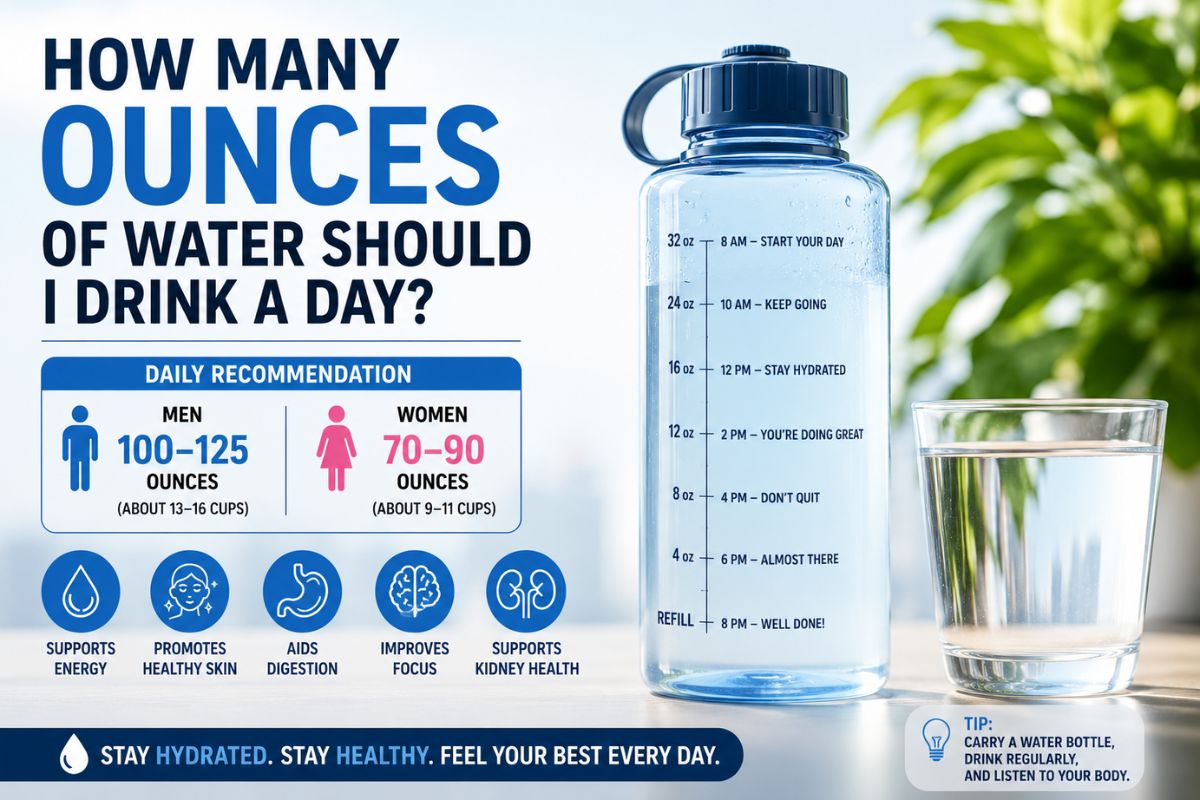
How Many Ounces of Water Should I Drink a Day?
Water is essential for life. Every organ in your body depends on proper hydration to function effectively. From maintaining energy levels to supporting digestion and brain function, drinking enough water daily plays a major role in overall health. One of the most common health questions people ask is: How many ounces of water should I drink a day?
The answer is not exactly the same for everyone because water needs vary depending on age, body size, activity level, weather, and overall lifestyle. However, understanding basic hydration guidelines can help you maintain better health and avoid dehydration.
Why Water Is So Important
Your body is made up mostly of water, which means hydration affects nearly every bodily function. Water helps regulate body temperature, transport nutrients, remove waste, lubricate joints, and support healthy circulation.
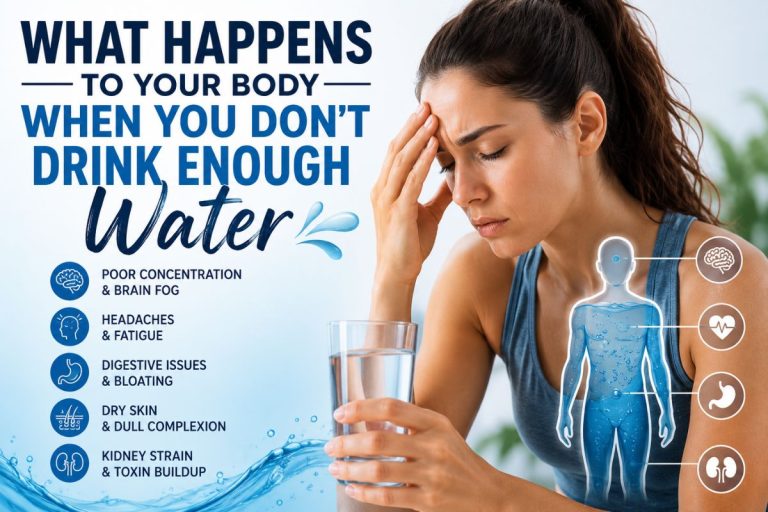
Without enough water, your body may struggle to function properly, leading to tiredness, headaches, poor concentration, and reduced physical performance.
Proper hydration also supports healthy skin, digestion, and kidney function.
General Daily Water Intake Recommendations
Many health experts suggest that adults should drink between 64 and 100 ounces of water daily. However, this range may vary based on individual needs.
1. Recommended Water Intake for Men
Men generally need more water due to higher muscle mass and larger body size. A common recommendation is around 100–125 ounces of fluids per day.
2. Recommended Water Intake for Women
Women typically require around 70–90 ounces of fluids daily, depending on their activity level and lifestyle.
3. Water Needs for Children and Teenagers
Children and teens also require proper hydration, though their needs are lower than adults and vary by age.
Factors That Affect How Much Water You Need
Water requirements are influenced by several important factors.
- Physical Activity: People who exercise regularly lose water through sweat. Increased activity levels usually require additional hydration.
- Weather and Climate: Hot or humid weather can increase fluid loss, making it necessary to drink more water throughout the day.
- Diet and Nutrition: Foods with high water content, such as fruits and vegetables, contribute to hydration. Salty or processed foods may increase water requirements.
- Health Conditions: Certain medical conditions, medications, or illnesses may affect fluid balance and hydration needs.
Signs You May Not Be Drinking Enough Water
Your body often gives signals when it needs more hydration.
- Feeling Fatigued: Even mild dehydration can reduce energy levels and make you feel tired.
- Dry Mouth and Increased Thirst: These are common signs that your body requires more fluids.
- Dark Yellow Urine: Urine color can be a simple indicator of hydration status. Pale yellow usually indicates better hydration.
- Headaches and Dizziness: Lack of hydration may affect blood flow and brain function, causing discomfort.
Is the “8 Glasses a Day” Rule Accurate?
The common recommendation to drink eight 8-ounce glasses of water daily equals about 64 ounces. While this can be a helpful starting point, it may not be enough for everyone.
Some people may require more water based on lifestyle and environmental conditions, while others may meet part of their needs through foods and other beverages.
The key is to focus on consistent hydration rather than strictly following one universal number.
Best Times to Drink Water
Building healthy hydration habits can improve overall wellness.
- After Waking Up: Drinking water in the morning helps rehydrate the body after sleep.
- Before and After Exercise: Hydration supports physical performance and recovery.
- During Meals: Moderate water intake can assist digestion and help maintain hydration.
- Throughout the Day: Instead of drinking large amounts at once, sipping water regularly is usually more effective.
Tips to Drink More Water Daily
Many people struggle to meet their hydration goals. Simple habits can make it easier.
- Carry a Reusable Water Bottle: Keeping water nearby encourages regular drinking throughout the day.
- Add Natural Flavor: Lemon, cucumber, or mint can make water more enjoyable.
- Eat Hydrating Foods: Water-rich foods like watermelon, cucumbers, and oranges support hydration naturally.
- Set Reminders: Using phone reminders or hydration apps can help build consistency.
Can You Drink Too Much Water?
While staying hydrated is important, excessive water intake can also be harmful in rare cases. Drinking very large amounts in a short time may affect the balance of minerals in the body.
For most healthy people, simply drinking when thirsty and maintaining consistent hydration throughout the day is generally safe.
The Connection Between Water and Energy
Water directly impacts your energy and focus. Dehydration can reduce oxygen and nutrient delivery throughout the body, making you feel sluggish and mentally tired.
Proper hydration supports circulation, physical performance, and brain function, helping you stay more active and alert during the day.
Hydration and Overall Health
Drinking enough water offers benefits beyond preventing thirst.
- Supports Healthy Digestion: Water helps break down food and move nutrients through the digestive system.
- Promotes Healthy Skin: Hydration may help support skin elasticity and overall appearance.
- Helps Maintain Body Temperature: Sweating and normal bodily processes rely on proper hydration.
- Supports Kidney Health: Water helps the kidneys remove waste and maintain fluid balance.
Common Hydration Myths
- “Coffee and Tea Don’t Count”: While water is the best hydration source, other beverages can also contribute to fluid intake.
- “You Only Need Water When Thirsty”: Some people may already be mildly dehydrated before they feel thirsty.
- “More Water Is Always Better”: Drinking excessive amounts beyond your body’s needs is unnecessary and may not provide extra benefits.
Final Thoughts
So, how many ounces of water should you drink a day? For most adults, around 64–100 ounces daily is a general guideline, but your exact needs depend on your lifestyle, environment, and health.
The best approach is to stay consistent with hydration, pay attention to your body’s signals, and make water a regular part of your daily routine. Proper hydration is one of the simplest and most effective ways to support energy, focus, digestion, and overall health.
References