Best Habits for Healthy Aging After 40
Aging is a natural part of life, but how we age is often influenced by the habits we practice every day. After the age of 40, the body begins to undergo gradual changes, including a slower metabolism, reduced muscle mass, hormonal shifts, and changes in bone density. While these changes are normal, adopting healthy lifestyle habits can help you maintain energy, mobility, and overall well-being for decades to come.
The good news is that healthy aging doesn’t require drastic changes. Small, consistent habits can make a significant difference in your physical and mental health. Here are some of the best habits to support healthy aging after 40.
Prioritize Regular Physical Activity
Exercise is one of the most powerful tools for healthy aging. Staying active helps maintain muscle mass, strengthen bones, improve heart health, and support a healthy weight.
Aim for at least 150 minutes of moderate aerobic activity each week, such as walking, swimming, cycling, or dancing. Additionally, include strength training exercises two to three times per week to help preserve muscle mass, which naturally declines with age.
Regular physical activity also supports balance and flexibility, reducing the risk of falls and injuries as you get older.
Eat a Nutrient-Dense Diet
Nutrition plays a vital role in how your body ages. Focus on eating a balanced diet rich in fruits, vegetables, lean proteins, whole grains, healthy fats, and fiber.
Foods rich in antioxidants, such as berries, leafy greens, nuts, and colorful vegetables, help combat oxidative stress, which is associated with aging and chronic disease. Protein is equally important because it supports muscle maintenance and recovery.
Try to limit highly processed foods, excessive sugar, and unhealthy fats, which may contribute to inflammation and various health problems over time.
Stay Hydrated
Many adults underestimate the importance of proper hydration. As people age, the body’s thirst signals may become less noticeable, increasing the risk of dehydration.
Water supports digestion, circulation, joint health, temperature regulation, and cognitive function. Drinking enough water throughout the day can also help maintain healthy skin and energy levels.
Keep a reusable water bottle nearby and make hydration a daily priority.
Get Quality Sleep
Sleep becomes increasingly important as we age. Poor sleep can negatively impact immune function, memory, mood, metabolism, and cardiovascular health.
Most adults need between seven and nine hours of quality sleep each night. Establish a consistent sleep schedule by going to bed and waking up at the same time every day.
Creating a relaxing bedtime routine, limiting screen exposure before bed, and maintaining a comfortable sleep environment can improve sleep quality significantly.
Manage Stress Effectively
Chronic stress can accelerate aging and increase the risk of various health conditions, including heart disease, high blood pressure, and depression.
Finding healthy ways to manage stress is essential for long-term wellness. Activities such as meditation, deep breathing exercises, yoga, spending time outdoors, and engaging in hobbies can help reduce stress levels.
Even a few minutes of mindfulness each day can have positive effects on both mental and physical health.
Maintain Social Connections
Strong social relationships are closely linked to better health outcomes and increased longevity. People who maintain meaningful connections with family, friends, and community groups often experience lower stress levels and improved emotional well-being.
Make an effort to stay connected through regular phone calls, social activities, volunteer work, or community events. Positive social interactions can help combat loneliness and support mental health as you age.
Schedule Regular Health Checkups
Preventive healthcare becomes increasingly important after 40. Regular medical checkups can help detect potential health issues early when they are often easier to manage.
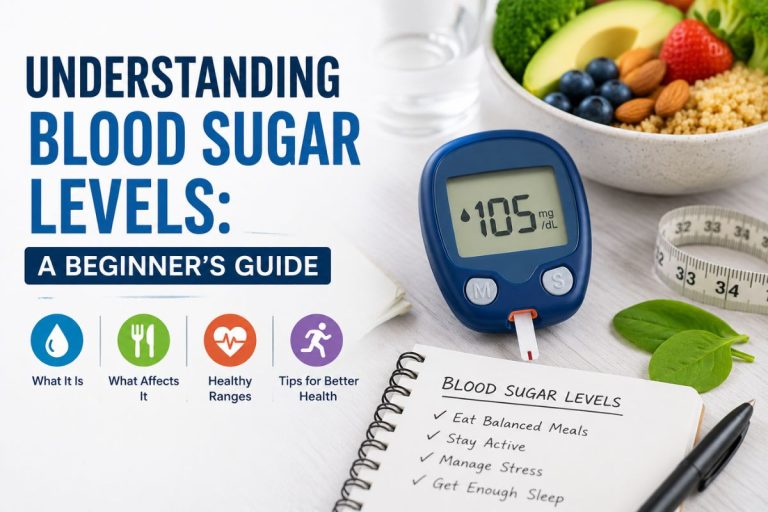
Routine screenings for blood pressure, cholesterol, blood sugar, vision, hearing, and certain cancers may help identify concerns before they become serious.
Talk with your healthcare provider about recommended screenings based on your age, family history, and overall health status.
Support Brain Health
Keeping your mind active is just as important as maintaining physical health. Mental stimulation helps support cognitive function and may reduce the risk of age-related cognitive decline.
Challenge your brain by reading books, learning new skills, solving puzzles, taking classes, or engaging in creative activities. Lifelong learning can help keep your mind sharp and engaged.
Additionally, regular exercise, quality sleep, and a healthy diet all contribute to better brain health.
Protect Your Bones and Joints
Bone density naturally decreases with age, increasing the risk of osteoporosis and fractures. Weight-bearing exercises such as walking, hiking, and resistance training help maintain strong bones.
Ensure your diet includes adequate calcium and vitamin D to support bone health. Foods such as dairy products, fortified foods, leafy greens, and fatty fish can be beneficial.
Joint health can also be supported through regular movement, maintaining a healthy weight, and staying physically active.
Avoid Harmful Habits
Certain lifestyle choices can accelerate aging and increase the risk of chronic disease. Smoking, excessive alcohol consumption, poor dietary habits, and a sedentary lifestyle can all negatively impact long-term health.
Replacing unhealthy habits with positive alternatives can significantly improve your quality of life and help support healthy aging.
Remember that it’s never too late to make positive changes. Small improvements made consistently can produce meaningful results over time.
Final Thoughts
Healthy aging after 40 is not about trying to stop the aging process. Instead, it’s about supporting your body and mind so you can continue living an active, fulfilling life. By focusing on regular exercise, nutritious eating, quality sleep, stress management, hydration, preventive healthcare, and strong social connections, you can promote long-term wellness and maintain your independence as you age.
The habits you build today can have a lasting impact on your future health. Start with one or two positive changes and gradually build a lifestyle that supports healthy aging for years to come.
References
- World Health Organization (WHO). Healthy Ageing. Available at: https://www.who.int/health-topics/ageing
- Centers for Disease Control and Prevention (CDC). Physical Activity for Older Adults. Available at: https://www.cdc.gov/physical-activity/life-stages/older-adults/index.html
- National Institute on Aging (NIA). Exercise and Physical Activity. Available at: https://www.nia.nih.gov/health/exercise-and-physical-activity
- National Institute on Aging (NIA). Healthy Eating As You Age. Available at: https://www.nia.nih.gov/health/healthy-eating
- Harvard T.H. Chan School of Public Health. Healthy Aging. Available at: https://nutritionsource.hsph.harvard.edu/healthy-aging