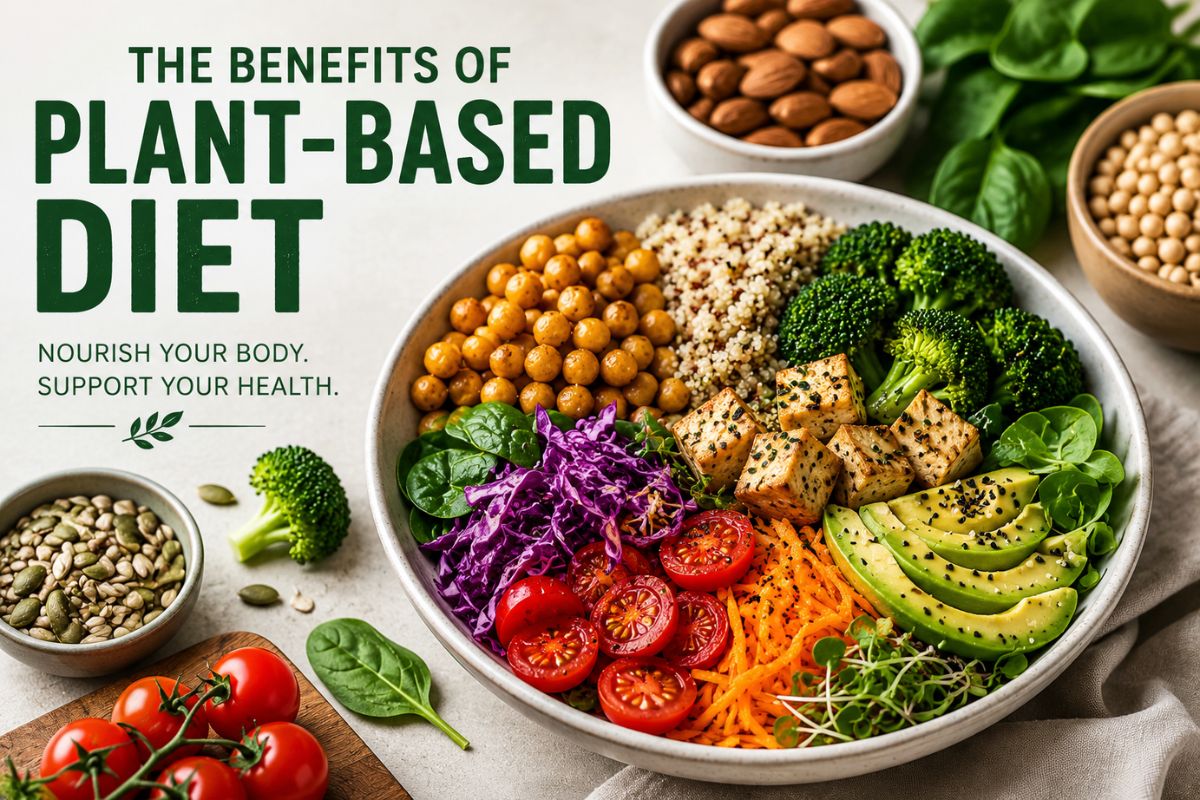
Benefits of a Plant-Based Diet
A plant-based diet has become increasingly popular among people looking to improve their overall health and lifestyle. This way of eating focuses mainly on foods that come from plants, including fruits, vegetables, whole grains, nuts, seeds, and legumes. While some people follow a completely vegetarian or vegan lifestyle, others simply reduce their intake of animal products and increase the amount of plant foods they eat.
The growing interest in plant-based eating is not just a trend. Many people are discovering that adding more plant foods to their meals can support energy levels, digestion, heart health, and overall wellness. Understanding the benefits of a plant-based diet can help you decide whether it may be a good fit for your lifestyle.
What Is a Plant-Based Diet?
A plant-based diet emphasizes foods that come primarily from plants. This includes:
- Fruits
- Vegetables
- Whole grains
- Beans and legumes
- Nuts and seeds
- Plant-based oils
A plant-based diet does not always mean eliminating meat or dairy completely. Some people choose flexible approaches where plant foods make up most of their meals while animal products are eaten occasionally.
The main goal is to prioritize whole, minimally processed plant foods as part of daily nutrition.
Rich in Nutrients
One of the biggest advantages of a plant-based diet is its high nutrient content. Plant foods naturally provide a wide range of vitamins, minerals, antioxidants, and fiber.
Vitamins and Minerals
Vegetables and fruits contain important nutrients such as:
- Vitamin C
- Vitamin A
- Potassium
- Magnesium
- Folate
These nutrients help support normal body functions and overall health.
Antioxidants
Plant foods are rich in antioxidants, which help protect the body from oxidative stress caused by free radicals.
Colorful fruits and vegetables such as berries, spinach, carrots, and tomatoes are especially high in beneficial plant compounds.
Supports Digestive Health
Plant-based diets are usually high in dietary fiber, which plays an important role in digestion.
Fiber helps food move smoothly through the digestive system and supports regular bowel movements. Foods like beans, oats, vegetables, fruits, and seeds are excellent sources of fiber.
Many people who increase their intake of plant foods notice improvements in digestive comfort and overall gut health.
May Support Heart Health
Many plant-based foods are naturally low in saturated fat and contain nutrients that support cardiovascular wellness.
Whole grains, nuts, seeds, legumes, and vegetables are commonly included in heart-conscious eating patterns. These foods may help support healthy cholesterol levels and overall circulation when combined with a balanced lifestyle.
Replacing highly processed foods with whole plant foods may also contribute to healthier eating habits overall.
Can Help With Weight Management
Plant-based meals are often naturally filling because they contain fiber and water-rich ingredients. This can help people feel satisfied without consuming excessive calories.
Whole plant foods such as vegetables, legumes, and fruits are generally lower in calorie density compared to heavily processed foods.
A balanced plant-based diet combined with regular physical activity may support healthy weight management goals.
Supports Energy Levels
Many people report feeling lighter and more energized after increasing their intake of plant foods. Nutrient-rich meals can provide steady energy throughout the day.
Whole grains, fruits, beans, and vegetables supply carbohydrates, vitamins, and minerals that help fuel the body naturally.
Avoiding excessive processed foods and sugary snacks may also help reduce energy crashes.
Encourages Healthy Eating Habits
Following a plant-based diet often encourages more mindful eating. People tend to focus more on fresh ingredients, home-cooked meals, and balanced nutrition.
This shift can lead to healthier long-term eating patterns and greater awareness of food quality.
Preparing meals with colorful vegetables, grains, and legumes can also make eating more enjoyable and varied.
Environmental Benefits
In addition to personal health, some people choose plant-based eating because of environmental concerns. Plant-based diets may reduce the environmental impact associated with food production.
Eating more plant foods and reducing food waste are often viewed as more sustainable lifestyle choices.
Common Plant-Based Protein Sources
One common question people ask is whether plant-based diets provide enough protein. Fortunately, many plant foods contain protein, including:
- Lentils
- Chickpeas
- Beans
- Tofu
- Tempeh
- Nuts and seeds
- Quinoa
Eating a variety of plant foods can help provide balanced nutrition.
Easy Ways to Start a Plant-Based Diet
Switching to a plant-based lifestyle does not have to happen overnight. Small gradual changes are often easier to maintain.
Add More Vegetables to Meals
Include vegetables in soups, pasta dishes, sandwiches, and stir-fries.
- Try Plant-Based Snacks: Fresh fruit, nuts, hummus, and roasted chickpeas can make healthy snack options.
- Replace Processed Foods: Swap heavily processed meals with homemade dishes using whole ingredients.
- Experiment With New Recipes: Trying different cuisines and recipes can make plant-based eating exciting and enjoyable.
Potential Challenges
While plant-based diets offer many benefits, planning is still important. Some nutrients such as vitamin B12, iron, omega-3 fatty acids, and protein should be considered carefully.
A balanced and varied diet usually helps meet nutritional needs, but some people may benefit from professional guidance when making major dietary changes.
Final Thoughts
The benefits of a plant-based diet go beyond simply eating more vegetables. A balanced plant-based lifestyle may support digestion, heart health, energy levels, and overall wellness while encouraging healthier eating habits.
Whether you choose a fully plant-based approach or simply add more plant foods to your meals, even small changes can make a positive difference. Focusing on whole, nutrient-rich foods is one of the simplest ways to support long-term health naturally.
References
- Science Direct – Plant-Based Diets – Provides science-based information about plant-based eating patterns, nutrition, and long-term health benefits.
- Mayo Clinic – Vegetarian Diet Basics – Explains the nutritional benefits of plant-focused diets and tips for maintaining balanced nutrition.
- Plant Based Health Professionals – Benefits of a Plant-Based Diet – Discusses digestion, heart health, energy levels, and overall wellness associated with plant-based eating.
- WebMD – Plant-Based Diet Guide – Covers the basics of plant-based diets, healthy food choices, and practical tips for beginners.
- Academy of Nutrition and Dietetics – Vegetarian Diets – Offers expert guidance on plant-based nutrition, protein sources, and balanced meal planning.