Detoxing From Alcohol: Recovery and Wellness
Many Americans decide to take a break from alcohol for different reasons. Some want to improve their physical health, while others are focused on better sleep, mental clarity, weight management, or overall wellness. In recent years, movements like “Dry January” and sober-curious lifestyles have made alcohol detox and mindful drinking more common across the United States.
But what exactly does detoxing from alcohol mean, and what should people realistically expect during the process?
Alcohol detox refers to the period when the body adjusts after reducing or stopping alcohol consumption. The experience can vary greatly depending on how often a person drinks, their overall health, and how much alcohol they typically consume.
Why People Choose to Detox From Alcohol
People stop drinking alcohol for many different reasons, including:
- Improving energy levels
- Supporting liver health
- Better sleep quality
- Mental clarity and focus
- Weight management goals
- Reducing dependence on alcohol
- Improving overall wellness
For some Americans, alcohol becomes part of social routines, work events, or stress management habits. Over time, many begin questioning how alcohol affects their daily lives.
For example, Chris, a 39-year-old sales manager from Texas, realized he was drinking several beers almost every night after work. After participating in Dry January with friends, he noticed improved sleep and more consistent energy during the day, which motivated him to continue reducing alcohol intake.
What Happens During Alcohol Detox?
When someone stops drinking alcohol, the body begins adjusting to the absence of alcohol in the system.
For light or occasional drinkers, this adjustment may be relatively mild. Some people experience temporary symptoms such as:
- Headaches
- Fatigue
- Mood changes
- Trouble sleeping
- Cravings
These symptoms are often temporary as the body adapts.
However, for heavy or long-term drinkers, alcohol withdrawal can become serious and even dangerous.
Important Safety Warning
Severe alcohol withdrawal should never be ignored. In some cases, withdrawal symptoms may include:
- Severe shaking
- Rapid heart rate
- Confusion
- Hallucinations
- Seizures
Because of these risks, people who drink heavily or regularly should speak with a healthcare professional before attempting to detox on their own.
Medical supervision may be necessary for safe withdrawal in certain situations.
Early Benefits People Often Notice
Many Americans who reduce alcohol consumption report positive lifestyle changes within weeks.
1. Better Sleep
Although alcohol may initially make people feel sleepy, it can interfere with sleep quality later in the night.
For example, Amanda, a 31-year-old teacher from Florida, stopped drinking wine during weekdays and found herself waking up feeling more refreshed and alert in the mornings.
2. Improved Energy Levels
Some people notice increased energy after cutting back on alcohol. Reduced dehydration and improved sleep may contribute to this change.
3. Clearer Thinking
People often describe improved focus and mental clarity after reducing alcohol intake.
This can be especially noticeable for individuals who previously drank frequently during the workweek.
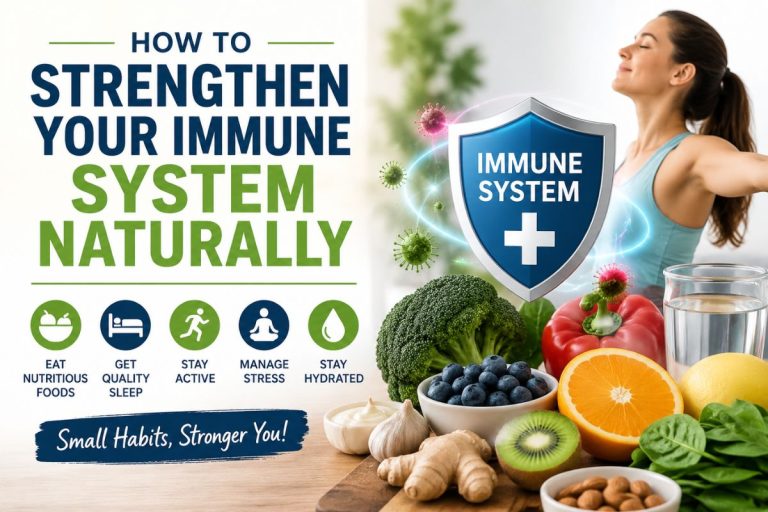
4. Hydration and Nutrition Matter
Alcohol can contribute to dehydration, which is why hydration becomes especially important during detox.
Drinking enough water and eating balanced meals may help support the body during recovery.
Nutrient-rich foods such as fruits, vegetables, lean proteins, and whole grains can support overall wellness.
Some people also focus on rebuilding healthy routines through exercise, sleep, and stress management.
5. Emotional and Social Challenges
For many Americans, alcohol is tied closely to social activities. Sporting events, happy hours, parties, and celebrations often involve drinking.
This can make detoxing emotionally challenging at times.
For example, Jake, a 28-year-old marketing professional from Chicago, found weekend social events difficult during his first month without alcohol. He started choosing activities like hiking and coffee meetups instead of bar nights, which helped him stay consistent with his goals.
Helpful Tips for Detoxing From Alcohol
1. Set Clear Goals
Some people aim to quit alcohol completely, while others simply want to reduce consumption.
Having realistic goals can help build consistency.
2. Stay Hydrated
Water, herbal tea, and electrolyte drinks may help support hydration.
3. Build a Support System
Friends, family, support groups, or online communities can provide encouragement during lifestyle changes.
4. Avoid Triggers
Temporarily avoiding situations strongly associated with drinking may help during the early stages.
5. Replace Old Habits
Many people benefit from replacing drinking routines with healthier activities such as exercise, reading, cooking, or hobbies.
The Growing Sober-Curious Trend in America
In recent years, many younger Americans have become more mindful about alcohol consumption.
Alcohol-free beverages, mocktails, and sober social events are becoming increasingly common across the country.
Restaurants, bars, and grocery stores now offer more non-alcoholic alternatives than ever before.
This shift has made it easier for people to reduce alcohol intake without feeling socially isolated.
Recovery Looks Different for Everyone
There is no single “perfect” way to detox from alcohol. Some people stop drinking completely, while others focus on moderation and healthier habits.
The most important step is understanding personal health needs and making informed choices safely.
For people struggling with alcohol dependence, professional support and medical care can make a major difference.
Final Thoughts
Detoxing from alcohol can be a meaningful step toward improving physical health, sleep, energy, and overall wellness. Many Americans who reduce or eliminate alcohol report positive lifestyle changes and greater mental clarity over time.
However, alcohol detox is not the same for everyone. While some people experience mild adjustments, others may require medical supervision for safe withdrawal. Taking a balanced, informed, and supportive approach can help make the process healthier and more sustainable.