10 Early Signs Your Body Needs More Nutrients
Proper nutrition plays a vital role in maintaining energy, supporting immunity, and keeping your body functioning at its best. However, many Americans don’t always get the vitamins and minerals their bodies need from daily meals. Nutrient deficiencies can develop gradually, and the body often sends warning signs before a serious health problem occurs.
Recognizing these early signs can help you make dietary improvements and support your overall well-being. Here are ten common signs that your body may need more nutrients.
1. Constant Fatigue and Low Energy
Feeling tired occasionally is normal, especially after a busy day. However, ongoing fatigue that doesn’t improve with rest may be a sign that your body is lacking important nutrients.
Low levels of iron, vitamin B12, vitamin D, or magnesium can affect energy production and leave you feeling exhausted throughout the day. If you’re regularly struggling with low energy, your diet may be worth reviewing.
2. Frequent Illnesses
If you seem to catch every cold or seasonal bug that goes around, your immune system may not be getting the support it needs.
Nutrients such as vitamin C, vitamin D, zinc, and selenium play important roles in immune function. A diet low in fruits, vegetables, and nutrient-rich foods can make it harder for your body to defend itself against infections.
3. Brittle Hair and Nails
Your hair and nails often reflect your nutritional status. Brittle nails, excessive hair shedding, or slow hair growth may indicate that you’re not getting enough protein, iron, biotin, or certain vitamins.
While occasional changes are normal, persistent issues can sometimes point to nutritional gaps.
4. Dry Skin
Healthy skin requires a variety of nutrients to maintain moisture and elasticity. Dry, flaky, or irritated skin may be linked to insufficient intake of healthy fats, vitamin A, vitamin E, or omega-3 fatty acids.
Hydration also plays a role, but nutrition is equally important for maintaining healthy-looking skin.
5. Slow Wound Healing
Cuts, scrapes, and minor injuries normally heal within a reasonable period. If wounds seem to take longer than usual to heal, your body may need additional nutrients.
Protein, vitamin C, zinc, and vitamin A are involved in tissue repair and recovery. Insufficient intake can affect the body’s natural healing process.
6. Muscle Weakness or Cramps
Occasional muscle cramps can happen after exercise, but frequent cramping or unexplained muscle weakness may signal a nutritional issue.
Low levels of potassium, magnesium, calcium, or vitamin D can contribute to muscle discomfort and reduced physical performance. Ensuring a balanced diet can help support normal muscle function.
7. Difficulty Concentrating
Brain fog, poor focus, and difficulty concentrating are common complaints among adults. While stress and lack of sleep can contribute, nutrient deficiencies may also play a role.
The brain relies on nutrients such as omega-3 fatty acids, iron, vitamin B12, and folate to function properly. A nutrient-rich diet supports mental clarity and cognitive performance.
8. Frequent Mood Changes
Nutrition affects more than just physical health. Certain vitamins and minerals help support healthy brain function and mood regulation.
Low intake of nutrients such as vitamin D, magnesium, omega-3 fatty acids, and B vitamins may contribute to irritability, low mood, or changes in emotional well-being.
A balanced diet can be an important part of maintaining overall mental wellness.
9. Digestive Issues
Digestive discomfort, constipation, or irregular bowel movements may indicate that your body needs more fiber and other essential nutrients.
Many Americans fall short of recommended fiber intake. Fruits, vegetables, legumes, and whole grains provide fiber that supports digestive health and helps maintain regularity.
Probiotic-rich foods and adequate hydration can also support gut health.
10. Increased Food Cravings
Strong cravings for certain foods may sometimes be your body’s way of signaling nutritional needs.
While cravings can have many causes, some research suggests that deficiencies in minerals or nutrients may contribute to unusual hunger patterns or specific food desires.
Focusing on balanced meals with protein, healthy fats, and fiber may help reduce excessive cravings.
How to Improve Your Nutrient Intake
If you notice one or more of these signs, consider evaluating your daily eating habits. Some simple ways to boost nutrient intake include:
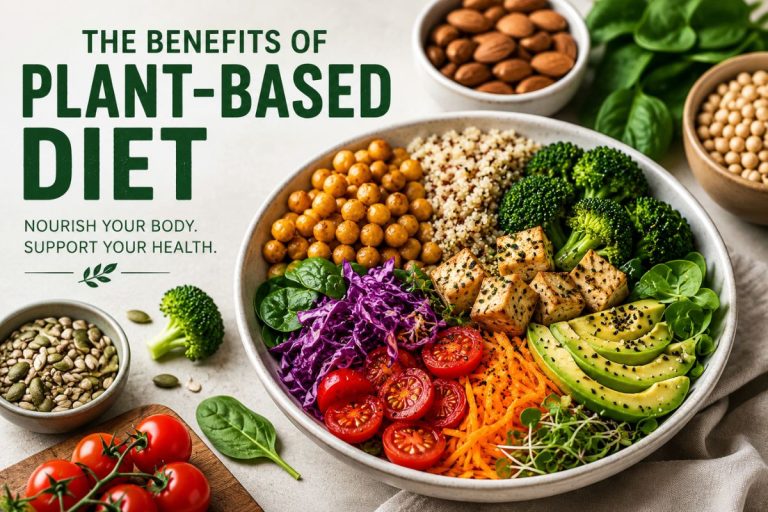
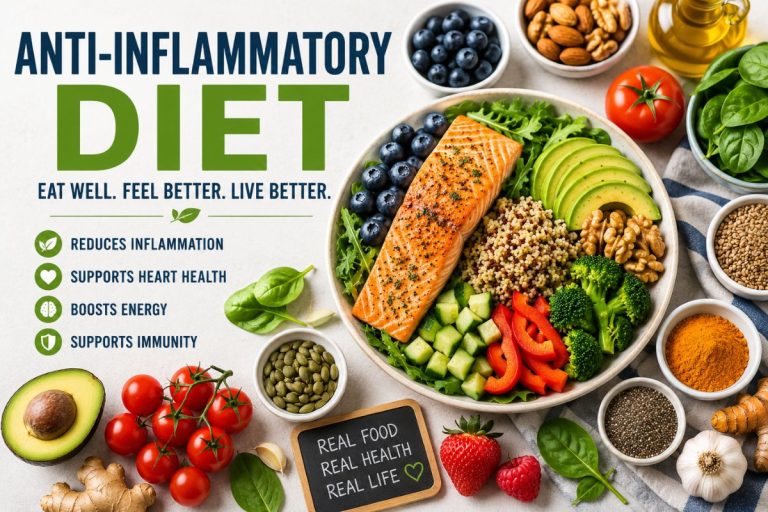
- Eating a variety of colorful fruits and vegetables
- Choosing whole grains over refined grains
- Including lean protein sources in meals
- Adding nuts, seeds, and healthy fats to your diet
- Staying hydrated throughout the day
- Limiting highly processed foods and sugary beverages
In some cases, a healthcare professional may recommend testing for specific nutrient deficiencies.
Final Thoughts
Your body often provides subtle clues when it’s not getting the nutrients it needs. Persistent fatigue, dry skin, frequent illness, digestive issues, and other symptoms can sometimes indicate nutritional gaps.
By paying attention to these early warning signs and focusing on a balanced, nutrient-rich diet, you can support your energy levels, immune health, and overall wellness. Small improvements in daily nutrition can make a meaningful difference in how you feel and function every day.