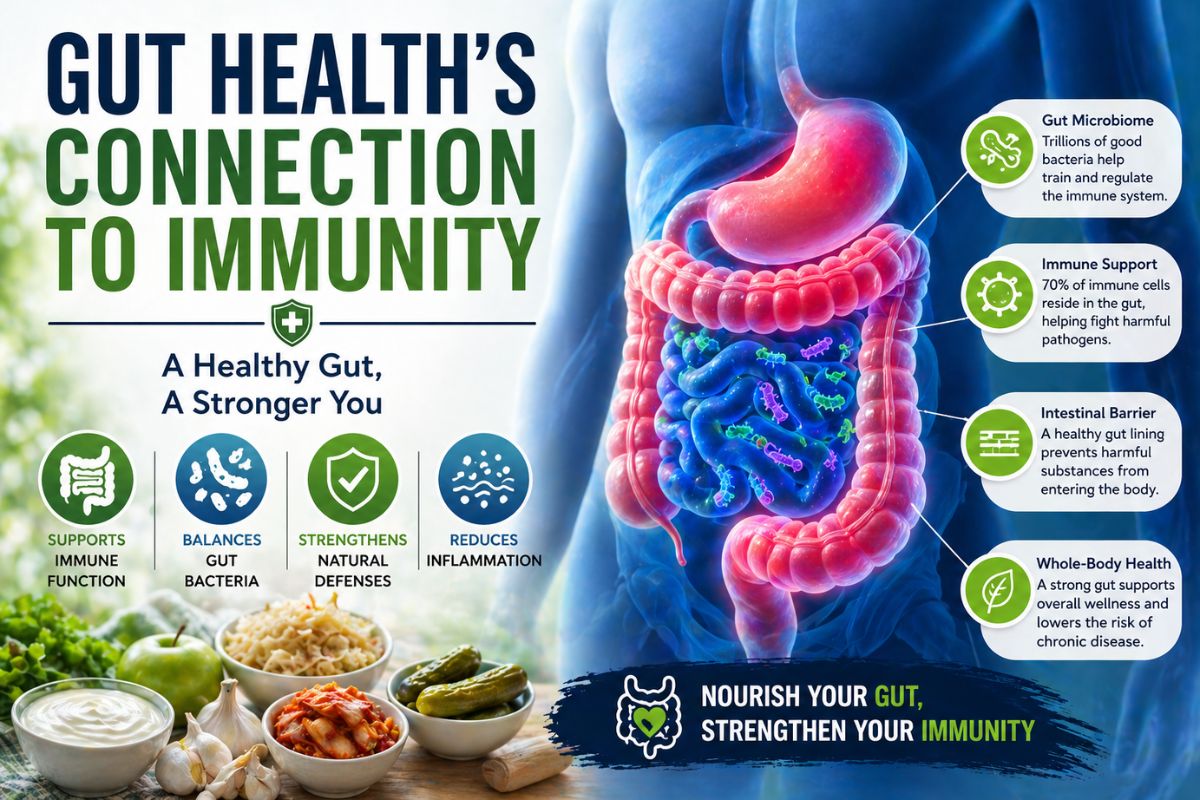
Gut Health’s Connection to Immunity
When people think about staying healthy, they often focus on exercise, diet, or avoiding illness. However, one of the most powerful influences on your immune system lies deep within your body—your gut. The connection between gut health and immunity is stronger than many realize, and understanding it can help you take better control of your overall well-being.
Your gut is not just responsible for digestion. It is home to trillions of microorganisms that play a vital role in keeping your immune system strong and balanced. When your gut is healthy, your body is better equipped to fight infections and maintain overall health.
Understanding the Gut Microbiome
Inside your digestive system lives a complex community of bacteria, fungi, and other microorganisms known as the gut microbiome. These microbes are not harmful—in fact, many of them are essential for your health.
A balanced gut microbiome helps break down food, absorb nutrients, and produce important compounds that your body needs. More importantly, it communicates directly with your immune system, helping it function properly.
When the balance of good and bad bacteria is maintained, your body operates efficiently. However, when this balance is disrupted, it can weaken your immune response and make you more vulnerable to illness.
How the Gut Supports the Immune System
A significant portion of your immune system is located in your gut. This means that your digestive system plays a central role in defending your body against harmful invaders.
The gut acts as a barrier, preventing harmful substances from entering your bloodstream. At the same time, it allows essential nutrients to pass through. This selective process is crucial for maintaining health.
Your gut bacteria also help train your immune system. They teach it how to distinguish between harmful pathogens and harmless substances, reducing the risk of overreaction or inflammation.
The Impact of an Unhealthy Gut on Immunity
When your gut health is compromised, your immune system can suffer. An imbalance in gut bacteria, often referred to as poor gut health, can lead to several issues.
You may experience frequent infections, digestive discomfort, or prolonged recovery from illness. In some cases, an unhealthy gut can contribute to chronic inflammation, which weakens your body’s defenses over time.
Factors such as poor diet, stress, lack of sleep, and excessive use of processed foods can disrupt the balance of your gut microbiome. Over time, these habits can reduce your body’s ability to protect itself.
Foods That Strengthen Gut Health and Immunity
Your diet plays a major role in maintaining a healthy gut. Certain foods can support the growth of beneficial bacteria and improve your immune response.
Fiber-rich foods like fruits, vegetables, and whole grains help feed good bacteria in your gut. These foods promote a healthy digestive environment and support overall well-being.
Fermented foods such as yogurt and traditional fermented dishes contain beneficial bacteria that can help restore balance in your gut. Including these in your diet can improve both digestion and immunity.
At the same time, limiting processed foods, excessive sugar, and unhealthy fats can prevent damage to your gut microbiome.
The Role of Lifestyle in Gut and Immune Health
While diet is important, lifestyle habits also play a key role in maintaining gut health and immunity.
Stress Management
Chronic stress can negatively affect your gut, disrupting the balance of bacteria and weakening your immune system. Practicing relaxation techniques such as meditation or deep breathing can help maintain balance.
Quality Sleep
Sleep is essential for both gut health and immune function. During sleep, your body repairs itself and supports the growth of beneficial bacteria.
Regular Physical Activity
Exercise promotes healthy digestion and supports the diversity of your gut microbiome. Even moderate activity can contribute to better immune health.
The Gut-Immune Connection in Everyday Life
The relationship between your gut and immune system affects how you feel every day. A healthy gut can lead to better digestion, increased energy, and fewer illnesses.
On the other hand, an unhealthy gut may cause fatigue, frequent sickness, and discomfort. Paying attention to your gut health can help you identify and address potential issues early.
Small changes in your daily habits can have a significant impact. Drinking enough water, eating balanced meals, and managing stress are simple yet effective ways to support your gut and immune system.
Building a Strong Foundation for Long-Term Health
Improving gut health is not about quick fixes—it’s about consistent, long-term habits. By making mindful choices, you can create an environment in your body that supports both digestion and immunity.
Start by focusing on whole, natural foods, staying active, and prioritizing rest. These steps may seem simple, but they work together to strengthen your body from the inside out.
Final Thoughts
Your gut plays a central role in your overall health, especially when it comes to immunity. A balanced gut microbiome helps protect your body, supports digestion, and keeps your immune system functioning effectively.
By taking care of your gut through proper nutrition, healthy habits, and lifestyle choices, you can build a stronger immune system and improve your overall well-being.
Remember, true health begins from within—and your gut is at the heart of it all.