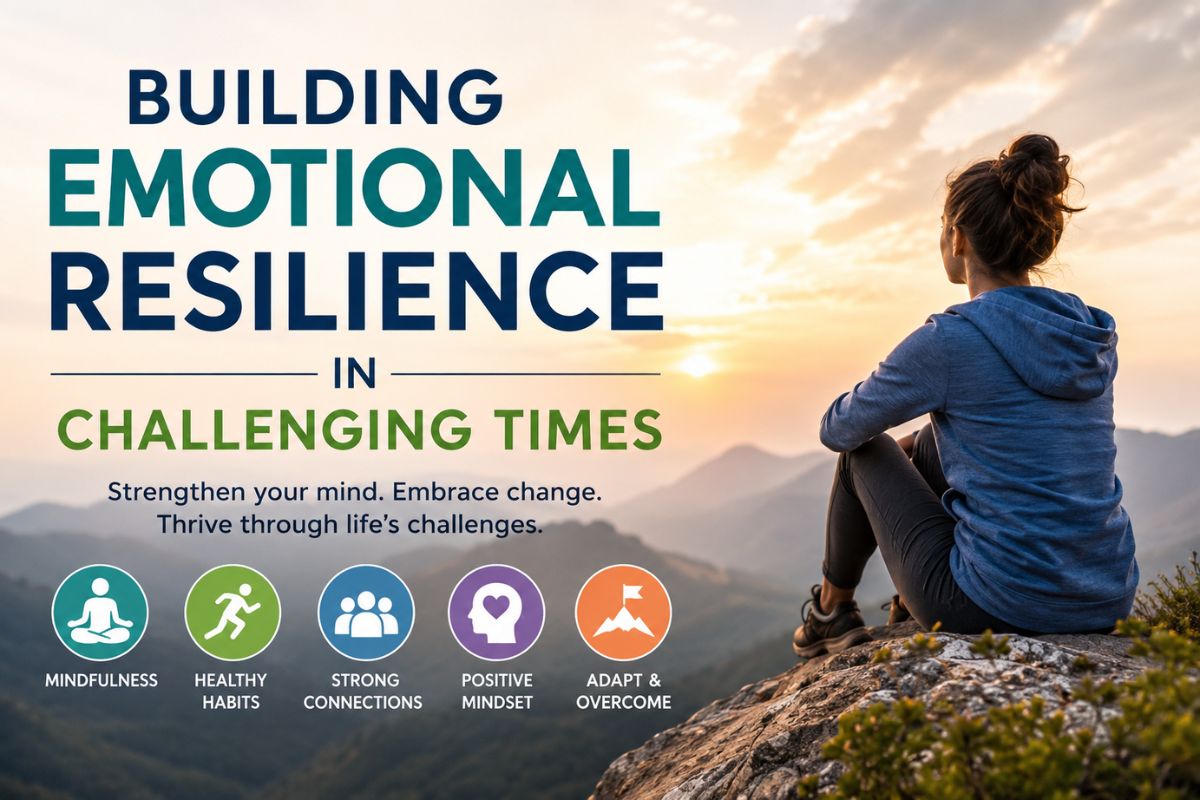
Building Emotional Resilience in Challenging Times
Quick Answer
Building emotional resilience involves developing healthy coping skills that help you adapt to stress, setbacks, and life changes. Regular exercise, quality sleep, supportive relationships, mindfulness, and seeking professional help when needed can strengthen emotional well-being and improve your ability to recover from difficult situations.
Life is full of unexpected challenges. Whether you’re dealing with work-related stress, financial uncertainty, family responsibilities, health concerns, or major life transitions, emotional resilience can help you navigate difficult situations with greater confidence and balance.
Emotional resilience does not mean ignoring emotions or pretending everything is fine. Instead, it refers to the ability to adapt, recover, and continue moving forward despite setbacks. Like physical fitness, resilience can be developed over time through healthy habits, supportive relationships, and positive coping strategies.
If you’re wondering how to build emotional resilience in challenging times, the good news is that even small daily actions can make a meaningful difference in your overall mental and emotional well-being.
What Is Emotional Resilience?
Emotional resilience is the ability to manage stress, regulate emotions, and recover from adversity. Resilient people still experience disappointment, sadness, frustration, and anxiety, but they develop effective ways to cope without becoming overwhelmed.
Resilience helps individuals maintain perspective, solve problems more effectively, and continue pursuing personal goals despite obstacles.
Why Emotional Resilience Matters
Building emotional resilience offers several benefits, including:
- Better stress management
- Improved emotional regulation
- Greater confidence during uncertainty
- Healthier relationships
- Better decision-making under pressure
- Improved overall mental well-being
Research suggests that resilient individuals often adapt more successfully to life’s inevitable changes and challenges.
Recognize That Difficult Emotions Are Normal
One of the first steps toward resilience is accepting that difficult emotions are a normal part of life. Trying to suppress feelings may increase emotional distress over time.
Instead of judging yourself for feeling anxious or discouraged, acknowledge your emotions with self-compassion. Recognizing how you feel can help you respond thoughtfully rather than react impulsively.
Build Healthy Daily Habits
Your physical health and emotional health are closely connected.
Healthy daily habits that support resilience include:
Prioritize Quality Sleep
Sleep plays an important role in emotional regulation. Adults should aim for consistent, restorative sleep whenever possible.
Stay Physically Active
Regular physical activity supports both physical and mental well-being. Even a daily walk, stretching routine, or light exercise can help reduce stress and improve mood.
Eat a Balanced Diet
Nutritious foods provide the energy your brain and body need to function effectively. Fruits, vegetables, whole grains, lean proteins, and healthy fats contribute to overall wellness.
Practice Mindfulness
Mindfulness encourages you to focus on the present moment without judgment.
Simple mindfulness practices include:
- Deep breathing exercises
- Meditation
- Gratitude journaling
- Gentle yoga
- Spending time in nature
These practices may help reduce stress while improving emotional awareness.
Strengthen Your Support Network
Humans are naturally social. Maintaining meaningful relationships can provide emotional comfort during difficult periods.
Stay connected with:
- Family members
- Close friends
- Trusted coworkers
- Community groups
- Support groups
Talking openly with someone you trust can help reduce feelings of isolation and provide valuable perspective.
Develop Healthy Coping Skills
Everyone experiences setbacks differently. Developing healthy coping strategies prepares you for future challenges.
Helpful coping techniques include:
- Breaking large problems into smaller steps
- Setting realistic goals
- Practicing positive self-talk
- Taking regular breaks
- Spending time on enjoyable hobbies
- Limiting exposure to overwhelming news or social media when necessary
Healthy coping focuses on managing stress constructively rather than avoiding problems.
Focus on What You Can Control
During uncertain times, many circumstances remain outside our control. Instead of dwelling on situations you cannot change, focus your energy on actions you can take today.
For example:
- Following a daily routine
- Exercising regularly
- Preparing healthy meals
- Learning a new skill
- Managing your schedule effectively
Small accomplishments can restore a sense of control and confidence.
Learn From Past Challenges
Think about previous obstacles you’ve overcome.
Ask yourself:
- What helped me through that experience?
- Which personal strengths did I use?
- What did I learn that I can apply today?
Reflecting on past successes can remind you that you’ve overcome difficulties before and can continue building resilience.
When to Seek Professional Support
Building emotional resilience does not mean handling everything alone.
If stress, anxiety, sadness, or emotional difficulties begin interfering with your daily life, relationships, work, or sleep, consider speaking with a qualified mental health professional.
Seeking professional support is a sign of strength and self-care, not weakness.
What Does Research Say?
Research indicates that resilience is not a fixed personality trait but a set of skills that can be developed throughout life. Evidence suggests that healthy lifestyle habits, supportive relationships, stress-management techniques, and psychological flexibility contribute to improved emotional well-being.
Organizations such as the American Psychological Association emphasize that resilience involves adapting successfully to adversity through healthy thoughts, behaviors, and social support rather than avoiding difficult experiences.
Frequently Asked Questions
Q. Can emotional resilience be learned?
Yes. Emotional resilience can be strengthened through consistent healthy habits, self-awareness, stress-management techniques, and supportive relationships.
Q. Does resilience mean never feeling stressed?
No. Resilient people experience stress and difficult emotions, but they develop healthy ways to respond and recover.
Q. How long does it take to build resilience?
Building resilience is an ongoing process. Small daily improvements in healthy habits and coping strategies can contribute to long-term emotional strength.
Q. Can exercise improve emotional resilience?
Regular physical activity has been associated with improved mood, reduced stress, and better overall mental well-being, making it an important part of a healthy lifestyle.
Final Thoughts
Building emotional resilience in challenging times is not about eliminating stress or avoiding life’s difficulties. It is about developing practical skills that help you adapt, recover, and continue moving forward with confidence.
By prioritizing healthy habits, strengthening your support network, practicing mindfulness, and seeking help when needed, you can gradually improve your ability to manage challenges while supporting your overall well-being. Every positive step—no matter how small—contributes to greater emotional resilience over time.
Health Disclaimer: This article is for informational purposes only and should not be considered medical or mental health advice. It is not intended to diagnose, treat, cure, or prevent any condition. If you are experiencing persistent emotional distress or mental health concerns, consult a qualified healthcare or mental health professional.
References
- American Psychological Association – Building Your Resilience
https://www.apa.org/topics/resilience - National Institute of Mental Health – Caring for Your Mental Health
https://www.nimh.nih.gov/health/topics/caring-for-your-mental-health - Centers for Disease Control and Prevention – Mental Health and Coping
https://www.cdc.gov/mental-health/living-with/index.html - MedlinePlus – Mental Health
https://medlineplus.gov/mentalhealth.html - Mayo Clinic – Resilience: Build Skills to Endure Hardship
https://www.mayoclinic.org/healthy-lifestyle/adult-health/in-depth/resilience/art-20046311