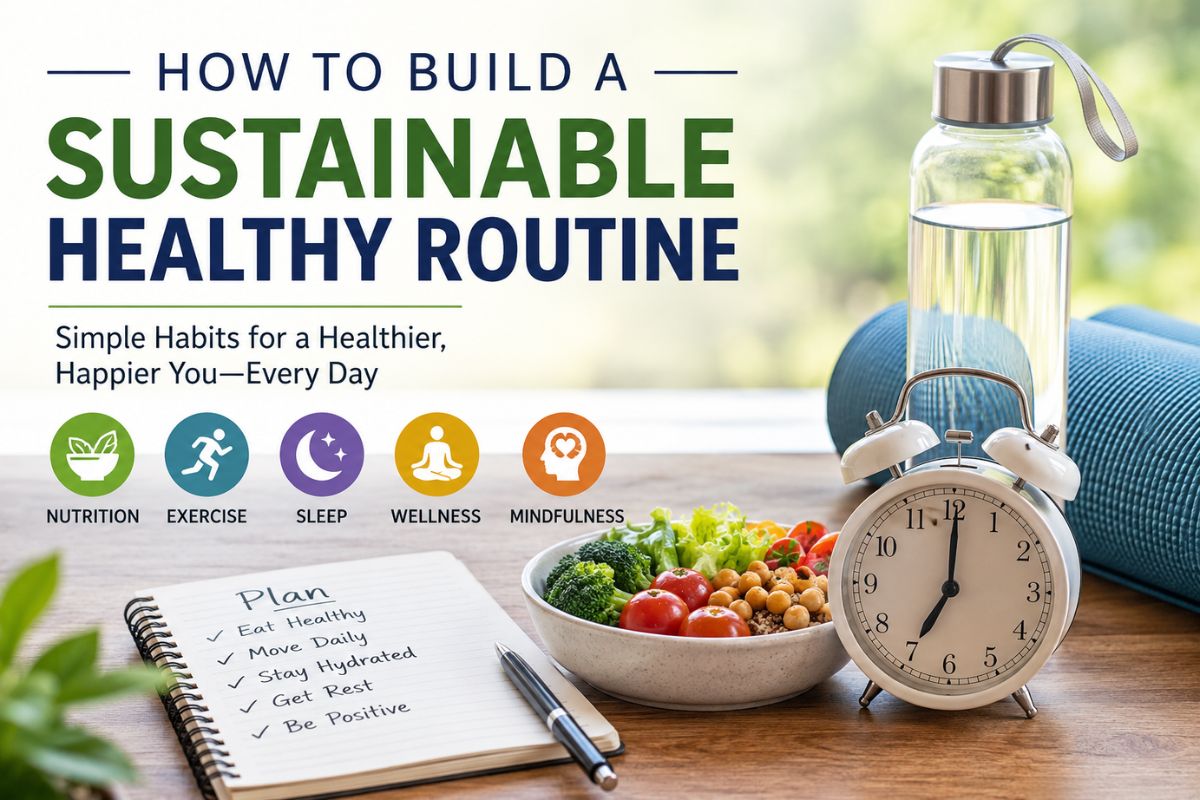
How to Build a Sustainable Healthy Routine
In today’s fast-paced world, many people start health journeys with enthusiasm only to abandon them after a few weeks. The reason is often simple: their routines are too restrictive, unrealistic, or difficult to maintain. Building a sustainable healthy routine is not about following extreme diets or spending hours at the gym. Instead, it involves creating habits that fit naturally into your lifestyle and can be maintained for the long term.
If you’re looking to improve your overall well-being, increase your energy levels, and support your long-term health, learning how to build a sustainable healthy routine is one of the most important steps you can take.
What Is a Sustainable Healthy Routine?
A sustainable healthy routine consists of daily habits that support physical, mental, and emotional well-being while remaining realistic and manageable. Unlike short-term health challenges or fad diets, sustainable habits become part of your everyday life.
The goal is consistency rather than perfection. Small actions performed regularly often produce better results than drastic changes that are difficult to maintain.
Start with Clear and Realistic Goals
One of the biggest mistakes people make is setting goals that are too ambitious. While it’s great to be motivated, unrealistic expectations often lead to disappointment and burnout.
Instead of saying, “I will lose 30 pounds in two months,” try setting smaller goals such as:
- Walk for 30 minutes five days a week
- Eat vegetables with every meal
- Drink more water each day
- Get at least seven hours of sleep nightly
These achievable goals create momentum and help build confidence over time.
Prioritize Consistent Physical Activity
Exercise is an essential part of a healthy lifestyle, but it doesn’t have to involve intense workouts every day. The best exercise routine is one you can consistently follow.
Consider activities such as:
- Walking
- Cycling
- Swimming
- Strength training
- Yoga
- Dancing
Experts generally recommend aiming for at least 150 minutes of moderate physical activity each week. However, even small amounts of movement are beneficial. Taking the stairs, parking farther away, or going for short walks throughout the day can contribute to your overall fitness.
Remember, consistency matters more than intensity when building long-term habits.
Focus on Balanced Nutrition
Healthy eating doesn’t mean eliminating all your favorite foods. Sustainable nutrition focuses on balance rather than restriction.
A healthy diet should include:
- Fruits and vegetables
- Lean proteins
- Whole grains
- Healthy fats
- Adequate hydration
Instead of trying a strict diet, make gradual improvements. For example, replace sugary beverages with water, add an extra serving of vegetables to dinner, or choose whole-grain options when available.
Meal planning can also make healthy eating easier by reducing the temptation to rely on fast food or processed snacks.
Make Sleep a Priority
Many people underestimate the importance of sleep. Poor sleep can affect mood, concentration, immune function, and overall health.
To improve sleep quality:
- Maintain a consistent sleep schedule
- Limit screen time before bed
- Keep your bedroom cool and comfortable
- Avoid excessive caffeine late in the day
- Create a relaxing bedtime routine
Most adults benefit from seven to nine hours of sleep each night. Prioritizing rest can significantly improve your energy levels and support other healthy habits.
Manage Stress Effectively
Stress is a normal part of life, but chronic stress can negatively impact both physical and mental health.
Healthy stress-management techniques include:
- Meditation
- Deep breathing exercises
- Journaling
- Spending time in nature
- Talking with friends and family
- Engaging in hobbies
Even dedicating just a few minutes each day to stress reduction can make a meaningful difference in your overall well-being.
Build Habits Gradually
One of the keys to creating a sustainable healthy routine is avoiding the temptation to change everything at once.
Research shows that lasting behavior change often occurs when new habits are introduced gradually. Focus on one or two improvements at a time before adding additional goals.
For example:
Week 1: Drink more water.
Week 2: Add a daily walk.
Week 3: Improve sleep habits.
Week 4: Increase vegetable intake.
This gradual approach makes changes feel manageable and increases the likelihood of long-term success.
Track Your Progress
Monitoring your progress can help maintain motivation and identify areas for improvement.
You can track:
- Daily steps
- Exercise sessions
- Water intake
- Sleep duration
- Healthy meals
Keeping a journal or using a wellness app allows you to celebrate small victories and stay focused on your goals.
Remember that progress is not always linear. Occasional setbacks are normal and should not discourage you from continuing your journey.
Create an Environment That Supports Success
Your surroundings can significantly influence your habits.
Simple ways to create a healthier environment include:
- Keeping nutritious snacks available
- Preparing meals in advance
- Setting workout clothes out the night before
- Removing unnecessary temptations
- Creating a dedicated space for exercise or relaxation
When healthy choices become more convenient, they are easier to maintain.
Be Flexible and Adapt
Life changes constantly, and your routine should be able to adapt. Vacations, busy work schedules, family responsibilities, and unexpected events can disrupt even the best plans.
Instead of striving for perfection, focus on maintaining healthy habits whenever possible. Flexibility helps prevent feelings of failure and supports long-term consistency.
A sustainable healthy routine should enhance your life rather than create additional stress.
Final Thoughts
Building a sustainable healthy routine is a lifelong process, not a short-term project. By focusing on realistic goals, regular physical activity, balanced nutrition, quality sleep, and effective stress management, you can create habits that support your health for years to come.
Remember that small, consistent actions often lead to the biggest results. Start with manageable changes, stay patient with yourself, and celebrate every step forward. Over time, these daily choices can transform your overall well-being and help you live a healthier, more fulfilling life.
Health Disclaimer: This article is for informational purposes only and should not be considered medical advice. Always consult a qualified healthcare professional before making significant changes to your diet, exercise routine, or health practices.