What Does Ginger Do for the Body?
Ginger is one of the most widely used natural ingredients in the world. Known for its strong flavor and warming effect, ginger has been used for centuries in cooking and traditional wellness practices. From teas and soups to smoothies and herbal remedies, ginger is valued not only for its taste but also for its potential health benefits.
Many people ask, “What does ginger do for the body?” The answer involves several areas of health, including digestion, immunity, circulation, and overall wellness. Ginger contains natural compounds that may support the body in multiple ways when included as part of a balanced diet.
What Is Ginger?
Ginger comes from the root of the plant Zingiber officinale. It is commonly used fresh, dried, powdered, or as an extract in foods and beverages.
The active compounds in ginger, particularly gingerol, are believed to contribute to many of its health-supporting properties. These natural compounds give ginger its spicy flavor and distinct aroma.
Ginger and Digestive Health
One of the most common reasons people use ginger is to support digestion. Ginger has long been associated with helping the digestive system function more comfortably.
May Help With Nausea
Ginger is often used to help manage feelings of nausea. Some people drink ginger tea or consume ginger-based products when experiencing motion sickness or mild stomach discomfort.
Its soothing properties may help calm the stomach naturally.
Supports Digestion
Ginger may help stimulate digestion by encouraging the movement of food through the digestive tract. Some people find that ginger helps reduce occasional bloating or feelings of heaviness after meals.
Including small amounts of ginger in meals or beverages may support overall digestive comfort.
Ginger and the Immune System
Ginger contains antioxidants that help protect the body from oxidative stress caused by free radicals. Antioxidants are important because they help support overall cellular health.
Many people use ginger during cold seasons because warm ginger drinks can feel soothing and comforting. While ginger is not a cure for illness, it may support general wellness as part of a healthy lifestyle.
Anti-Inflammatory Properties of Ginger
One of the most discussed benefits of ginger is its natural anti-inflammatory potential. Chronic inflammation is associated with various health concerns, and some studies suggest that ginger compounds may help support the body’s natural response to inflammation.
Because of this, ginger is sometimes included in wellness routines aimed at supporting joint comfort and overall mobility.
Ginger and Circulation
Ginger is often described as a warming food because it may help stimulate circulation temporarily. Drinking warm ginger tea can create a warming sensation in the body, especially during colder weather.
Good circulation is important because it helps transport oxygen and nutrients throughout the body.
Can Ginger Help With Weight Management?
Ginger alone is not a magic solution for weight loss, but it may support healthy habits in several ways.
Some people find that ginger tea helps them feel satisfied between meals, while others include ginger in nutrient-rich recipes as part of a balanced eating plan.
Healthy weight management still depends on overall nutrition, physical activity, sleep, and lifestyle choices.
Ginger and Blood Sugar Support
Some research has explored ginger’s possible role in supporting healthy blood sugar levels already within the normal range. However, more studies are still needed in this area.
People with medical conditions or those taking medications should always consult a healthcare professional before using ginger supplements regularly.
Different Ways to Use Ginger
Ginger is versatile and easy to include in everyday meals and drinks.
Ginger Tea
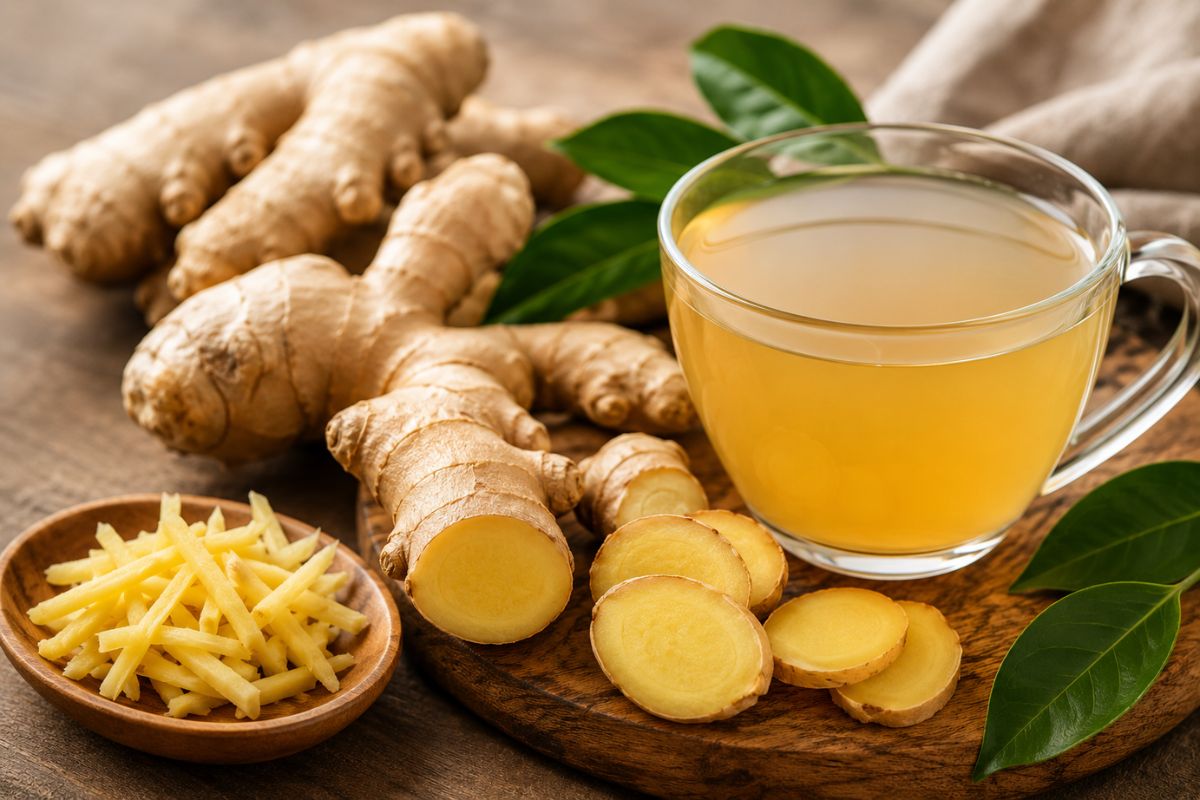
One of the most popular ways to consume ginger is by making ginger tea. Fresh ginger slices can be steeped in hot water to create a warm and soothing drink.
Smoothies
Adding fresh or powdered ginger to smoothies can provide extra flavor and nutritional variety.
Cooking
Ginger is commonly used in soups, stir-fries, curries, marinades, and sauces.
Ginger Shots
Some people consume concentrated ginger drinks or “ginger shots” as part of their wellness routine.
Fresh Ginger vs Powdered Ginger
Both fresh and powdered ginger offer benefits, but they differ slightly in flavor and intensity.
Fresh Ginger
Fresh ginger has a stronger aroma and a juicier texture. It is commonly used in teas, cooking, and juices.
Powdered Ginger
Powdered ginger is convenient for baking, smoothies, and spice blends. It also has a longer shelf life than fresh ginger.
Both forms can be healthy additions to a balanced diet.
Are There Any Side Effects of Ginger?
For most people, ginger is generally safe when consumed in moderate amounts through food and beverages.
However, consuming excessive amounts of ginger may cause mild side effects such as:
- Heartburn
- Stomach discomfort
- Mouth irritation
People taking blood-thinning medications or managing certain medical conditions should consult a healthcare professional before taking large amounts of ginger supplements.
Easy Ways to Add Ginger to Your Diet
If you want to enjoy the potential benefits of ginger, here are a few simple ideas:
- Add fresh ginger to hot tea
- Mix ginger into smoothies
- Use ginger in soups and curries
- Sprinkle powdered ginger into oatmeal or yogurt
- Add ginger to homemade salad dressings
Small daily additions can help make ginger part of a balanced and flavorful diet.
Final Thoughts
So, what does ginger do for the body? Ginger may support digestion, provide antioxidants, help with occasional nausea, and contribute to overall wellness when included as part of a healthy lifestyle.
While ginger is not a cure-all ingredient, its natural compounds and versatility make it a popular choice in both cooking and wellness routines. Whether enjoyed in tea, meals, or smoothies, ginger can be a flavorful and nutritious addition to everyday life.
References
- National Center for Complementary and Integrative Health – Ginger – Provides research-based information about ginger, its traditional uses, safety considerations, and potential health benefits.
- Science Direct – Herbs and Spices – Explains the nutritional value of herbs and spices, including antioxidant and anti-inflammatory properties.
- WebMD – Ginger Health Benefits – Covers ginger’s potential effects on digestion, nausea relief, immunity, and overall wellness.
- Medical News Today – Benefits of Ginger – Discusses ginger nutrition, active compounds, digestive support, and possible anti-inflammatory effects.
- Mayo Clinic Healthy Lifestyle and Nutrition Guide – Offers guidance on balanced nutrition, natural foods, and maintaining overall health through healthy lifestyle choices.