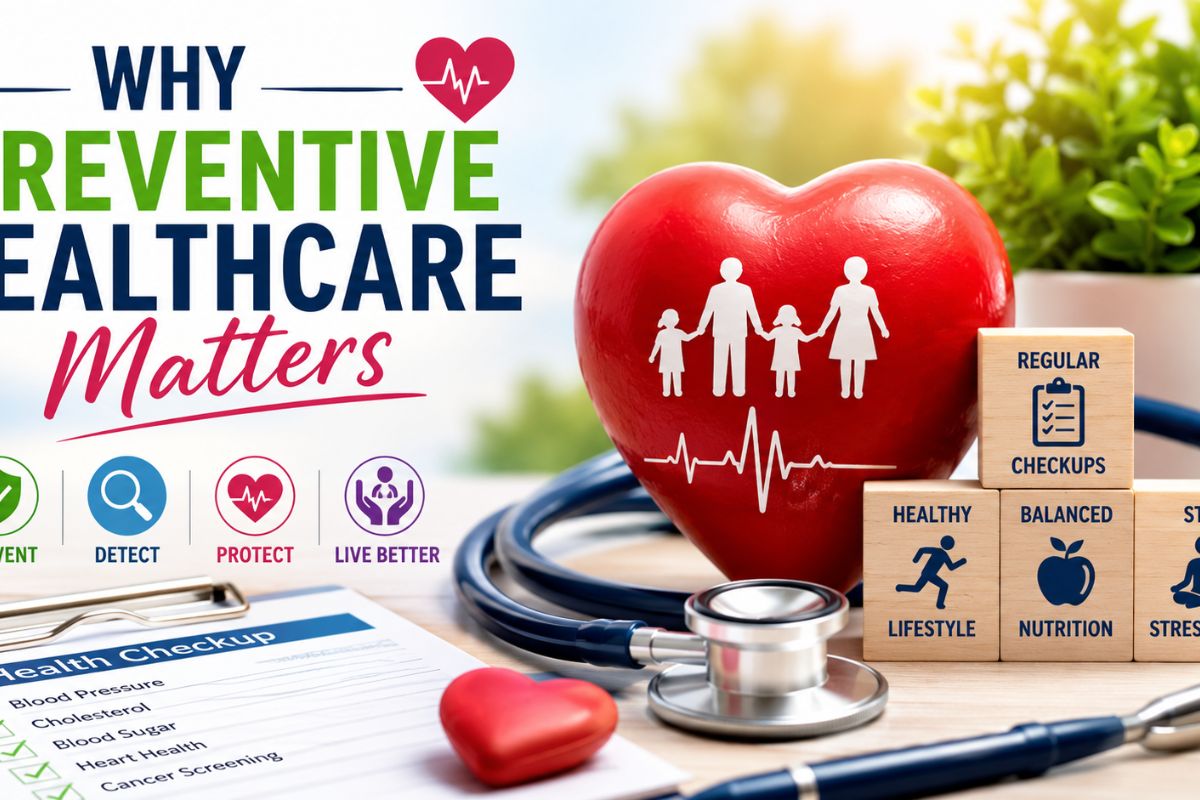
Why Preventive Healthcare Matters
Healthcare is often associated with treating illnesses after they occur. However, one of the most effective ways to improve overall health and reduce healthcare costs is through preventive healthcare. Rather than waiting for symptoms to appear, preventive healthcare focuses on identifying potential health risks early and taking steps to prevent diseases before they become serious.
For millions of Americans, preventive care can lead to longer, healthier lives while reducing the burden of chronic illnesses. Understanding why preventive healthcare matters can help individuals make informed decisions about their well-being and future health.
What Is Preventive Healthcare?
Preventive healthcare refers to medical services, screenings, vaccinations, and lifestyle practices designed to prevent diseases or detect them at an early stage when they are easier to treat.
Common examples of preventive healthcare include:
- Annual physical exams
- Blood pressure checks
- Cholesterol screenings
- Cancer screenings
- Vaccinations
- Routine dental checkups
- Eye examinations
- Healthy lifestyle counseling
The primary goal is to identify health concerns before they develop into major medical problems.
Early Detection Saves Lives
One of the most important benefits of preventive healthcare is early disease detection. Many serious conditions, including heart disease, diabetes, and certain cancers, may develop silently without obvious symptoms.
Regular screenings can help detect these conditions in their earliest stages. Early diagnosis often means more treatment options, better outcomes, and lower medical expenses.
For example, routine blood pressure checks can identify hypertension before it leads to heart attacks or strokes. Similarly, cancer screenings such as mammograms and colonoscopies can detect abnormalities before they become life-threatening.
Early detection gives patients and healthcare providers a valuable opportunity to take action before a condition progresses.
Reducing the Risk of Chronic Diseases
Chronic diseases are among the leading causes of death and disability in the United States. Conditions such as heart disease, obesity, type 2 diabetes, and high blood pressure affect millions of Americans every year.
Preventive healthcare helps reduce the risk of developing these conditions by encouraging healthy habits and monitoring important health indicators.
Healthcare providers often offer guidance on:
- Healthy eating
- Weight management
- Physical activity
- Smoking cessation
- Stress management
- Sleep improvement
Small lifestyle changes made today can significantly reduce the likelihood of developing chronic diseases in the future.
Lower Healthcare Costs
Medical treatment for advanced illnesses can be extremely expensive. Hospitalizations, surgeries, long-term medications, and specialist visits often create significant financial burdens for individuals and families.
Preventive healthcare can help lower these costs by addressing health concerns before they become severe.
For example, managing prediabetes through diet and exercise may help prevent the development of type 2 diabetes, reducing the need for costly medications and treatments later on.
While preventive services require some investment of time and resources, they are often far less expensive than treating advanced diseases.
Improved Quality of Life
Good health allows people to enjoy daily activities, spend time with loved ones, pursue hobbies, and maintain independence as they age.
Preventive healthcare contributes to a better quality of life by helping individuals stay healthier for longer periods. When health conditions are prevented or managed early, people are more likely to remain active and productive.
Regular checkups also provide peace of mind. Knowing that key health indicators are being monitored can reduce anxiety and help individuals feel more confident about their health status.
The Importance of Vaccinations
Vaccinations are a critical component of preventive healthcare. They protect individuals from infectious diseases that can cause serious complications.
Vaccines have helped reduce the spread of many dangerous illnesses, including influenza, measles, and certain forms of pneumonia.
Adults should stay current with recommended vaccinations, including annual flu shots and other age-appropriate immunizations. Vaccination not only protects individuals but also helps safeguard communities by reducing disease transmission.
Building a Strong Relationship With Your Healthcare Provider
Preventive healthcare encourages regular interaction with healthcare professionals. These ongoing relationships help providers better understand a patient’s medical history, lifestyle, and risk factors.
Routine visits create opportunities to discuss concerns, ask questions, and receive personalized recommendations.
A trusted healthcare provider can help identify potential health risks and develop strategies tailored to individual needs and goals.
Preventive Healthcare for Every Age
Preventive care is important throughout every stage of life.
Children benefit from vaccinations, growth monitoring, and developmental screenings. Adults need regular health assessments, blood pressure monitoring, and lifestyle counseling. Older adults often require screenings for age-related conditions and guidance on maintaining mobility and independence.
No matter your age, preventive healthcare plays a valuable role in supporting long-term health and wellness.
Simple Steps to Prioritize Preventive Health
Getting started with preventive healthcare doesn’t have to be complicated. Consider these simple steps:
- Schedule annual wellness visits.
- Stay up to date on recommended screenings.
- Follow vaccination guidelines.
- Eat a balanced, nutritious diet.
- Exercise regularly.
- Get enough sleep.
- Avoid tobacco products.
- Manage stress effectively.
Consistency is key. Small healthy choices made regularly can produce significant long-term benefits.
Conclusion
Preventive healthcare is one of the most effective ways to protect your health and improve your quality of life. By focusing on prevention, early detection, and healthy lifestyle habits, individuals can reduce their risk of chronic diseases, lower healthcare costs, and enjoy better overall well-being.
Taking a proactive approach to health today can lead to a healthier future tomorrow. Whether it’s scheduling a routine checkup, getting recommended screenings, or adopting healthier habits, preventive healthcare empowers individuals to take control of their health and make informed decisions that support lifelong wellness.
Health Disclaimer: This article is for informational purposes only and should not be considered medical advice. Always consult a qualified healthcare professional regarding any medical concerns, diagnosis, or treatment decisions.