Ways to Improve Energy Levels Without Excess Caffeine
Many Americans rely on coffee, energy drinks, and caffeinated beverages to stay alert throughout the day. While caffeine can provide a temporary boost, consuming too much may lead to jitters, anxiety, disrupted sleep, and energy crashes. If you’re looking for sustainable ways to maintain energy without constantly reaching for another cup of coffee, there are several healthy lifestyle habits that can help.
In this article, we’ll explore practical and science-backed ways to improve energy levels naturally without excessive caffeine consumption.
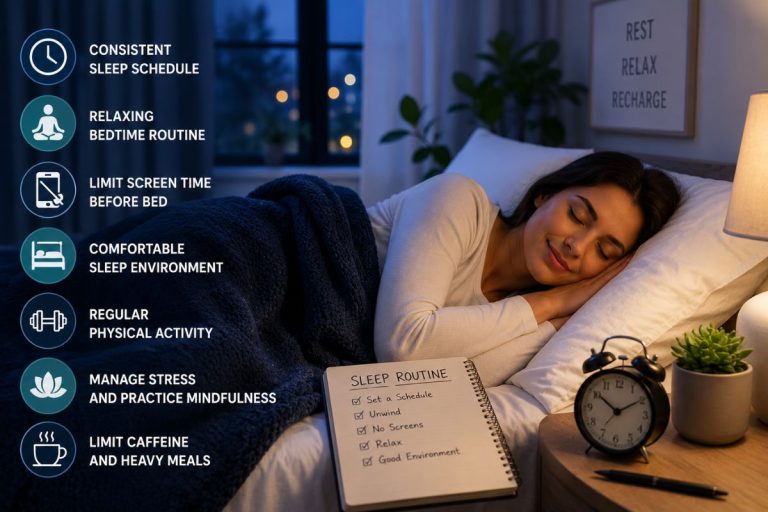
Prioritize Quality Sleep
One of the most effective ways to boost energy is by improving sleep quality. Adults generally need seven to nine hours of sleep each night for optimal physical and mental performance.
To improve sleep:
- Maintain a consistent sleep schedule.
- Avoid screens at least an hour before bedtime.
- Keep your bedroom cool, dark, and quiet.
- Limit caffeine intake later in the day.
Poor sleep can reduce concentration, lower productivity, and make you feel tired regardless of how much caffeine you consume.
Stay Properly Hydrated
Even mild dehydration can cause fatigue, headaches, and reduced focus. Many people mistake dehydration for tiredness and turn to coffee instead of water.
Simple hydration tips include:
- Start your day with a glass of water.
- Carry a reusable water bottle.
- Eat water-rich foods such as cucumbers, oranges, and watermelon.
- Increase fluid intake during hot weather or exercise.
Proper hydration helps your body transport nutrients efficiently and supports overall energy production.
Eat Balanced Meals
Food serves as fuel for your body. Skipping meals or relying on highly processed foods can lead to energy fluctuations throughout the day.
Focus on meals that include:
- Lean proteins
- Whole grains
- Healthy fats
- Fruits and vegetables
For example, a breakfast of oatmeal with berries and nuts provides more sustained energy than a sugary pastry or donut.
Balanced nutrition helps stabilize blood sugar levels and prevents the energy crashes often associated with processed foods.
Get Moving Throughout the Day
When you’re tired, exercise may be the last thing on your mind. However, regular physical activity is one of the best natural energy boosters available.
Benefits of exercise include:
- Improved circulation
- Better oxygen delivery throughout the body
- Enhanced mood
- Increased stamina
Even a 10- to 15-minute walk can help combat afternoon fatigue. Many office workers find that short movement breaks improve productivity and mental clarity.
Manage Stress Effectively
Chronic stress can drain both mental and physical energy. When stress levels remain elevated for extended periods, the body works harder, leaving you feeling exhausted.
Consider these stress-management techniques:
- Meditation
- Deep breathing exercises
- Yoga
- Journaling
- Spending time outdoors
Reducing stress can help preserve energy and improve overall well-being.
Reduce Sugar Consumption
Sugary snacks and drinks may provide a quick burst of energy, but the effect is often short-lived. After a rapid rise in blood sugar, many people experience a crash that leaves them feeling even more tired.
Instead of high-sugar foods, choose snacks such as:
- Greek yogurt
- Mixed nuts
- Fresh fruit
- Hummus with vegetables
- Hard-boiled eggs
These options provide more stable energy throughout the day.
Spend More Time Outdoors
Natural sunlight plays an important role in regulating your body’s internal clock. Exposure to daylight can help improve alertness during the day and support better sleep at night.
Try to:
- Take a morning walk.
- Sit near a window while working.
- Spend part of your lunch break outside.
Even a few minutes of sunlight exposure can positively affect mood and energy levels.
Consider Nutrient Intake
Certain nutrient deficiencies may contribute to feelings of fatigue. Common nutrients associated with energy production include:
- Iron
- Vitamin B12
- Vitamin D
- Magnesium
If you frequently experience low energy despite healthy habits, consider discussing potential deficiencies with a healthcare professional.
In some cases, dietary changes or supplements may help support healthy energy levels.
Take Short Breaks During Work
Long periods of continuous work can lead to mental exhaustion. Taking brief breaks helps refresh your mind and maintain focus.
A simple strategy is the “50-10 rule”:
- Work for 50 minutes.
- Take a 10-minute break.
Use breaks to stretch, walk, hydrate, or step away from screens.
Many people find that regular breaks improve productivity while reducing fatigue.
Build a Consistent Daily Routine
Your body functions best when it follows a predictable schedule. Going to bed, waking up, eating meals, and exercising at similar times each day can help regulate energy levels.
Consistency helps support:
- Better sleep quality
- Stable hormone levels
- Improved digestion
- Enhanced productivity
Small daily habits often produce greater long-term energy benefits than temporary stimulants.
Final Thoughts
While caffeine can be useful in moderation, it shouldn’t be your primary source of energy. Sustainable energy comes from healthy lifestyle choices such as getting enough sleep, staying hydrated, eating nutritious foods, exercising regularly, managing stress, and maintaining a consistent routine.
By addressing the root causes of fatigue rather than masking them with excessive caffeine, you can enjoy more stable energy, improved focus, and better overall health. Small changes made consistently can have a significant impact on how energized you feel every day.
Health Disclaimer: This article is for informational purposes only and should not be considered medical advice. Always consult a qualified healthcare professional before making significant changes to your diet, exercise routine, or supplement regimen, especially if you have existing health conditions or concerns.