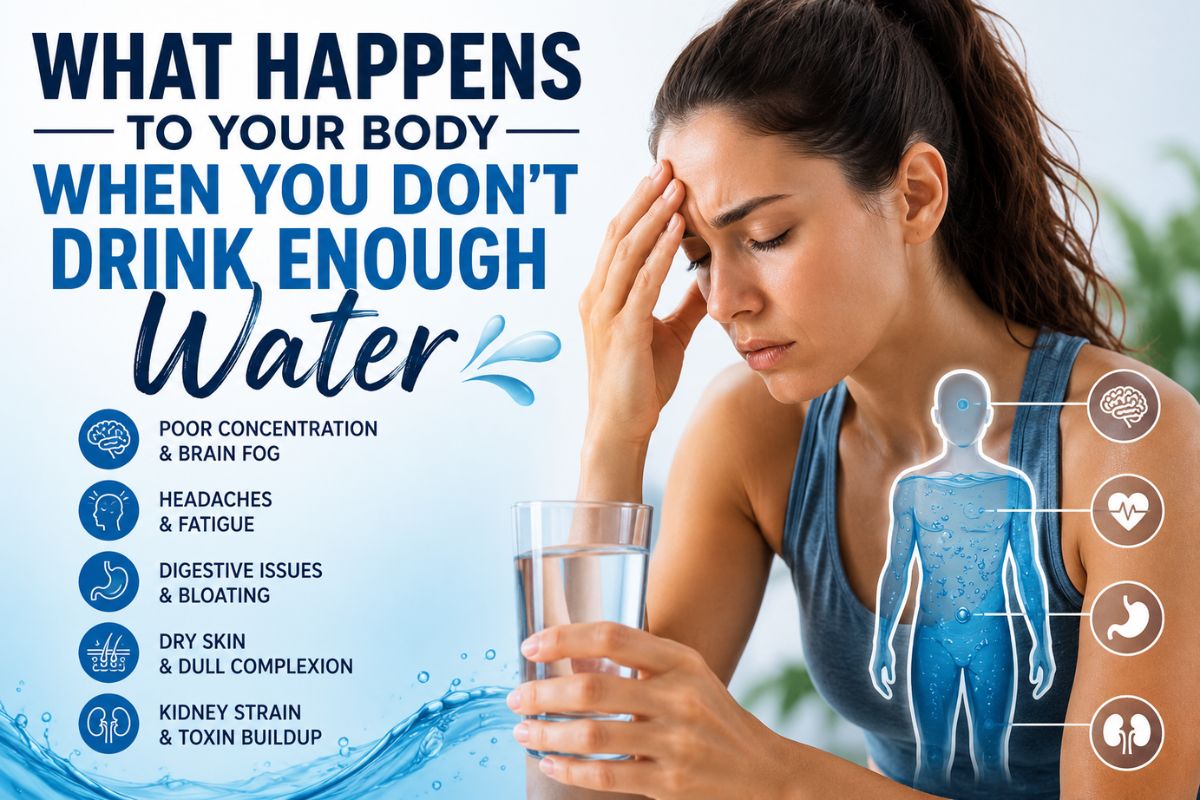
What Happens to Your Body When You Don’t Drink Enough Water
Water is one of the most essential nutrients your body needs to survive. While many people focus on healthy foods, vitamins, and exercise, proper hydration is often overlooked. Since the human body is made up of about 60% water, every organ, tissue, and cell relies on water to function correctly.
Unfortunately, many Americans do not drink enough water throughout the day. Busy schedules, excessive caffeine consumption, and simply forgetting to drink water can all contribute to dehydration. Even mild dehydration can affect your physical and mental performance, while chronic dehydration may lead to more serious health issues.
So, what exactly happens to your body when you don’t drink enough water? Let’s take a closer look.
Your Energy Levels Drop
One of the first signs of dehydration is fatigue. Water plays a critical role in transporting oxygen and nutrients throughout the body. When you’re dehydrated, your blood volume decreases, making your heart work harder to deliver oxygen to your muscles and organs.
As a result, you may feel:
- Tired and sluggish
- Low on energy
- Less motivated to complete daily tasks
- Physically exhausted after minimal activity
Many people mistakenly reach for another cup of coffee when they feel tired, when in reality, a glass of water may be exactly what their body needs.
Your Brain Doesn’t Function as Well
Even mild dehydration can affect brain function. Research has shown that inadequate hydration can impact concentration, memory, mood, and mental performance.
When you don’t drink enough water, you may experience:
- Difficulty focusing
- Brain fog
- Reduced alertness
- Poor short-term memory
- Increased irritability
If you’ve ever struggled to concentrate during a busy workday, dehydration could be one of the reasons.
Headaches Become More Common
Many people don’t realize that dehydration is a common trigger for headaches. When your body lacks adequate fluids, changes in blood flow and electrolyte balance can affect the brain, leading to discomfort and pain.
Symptoms may include:
- Mild headaches
- Migraine-like symptoms
- Dizziness
- Lightheadedness
For some individuals, simply increasing water intake can help reduce the frequency of dehydration-related headaches.
Your Digestive System Slows Down
Water is essential for healthy digestion. It helps break down food, absorb nutrients, and move waste through the digestive tract.
Without enough water, digestion becomes less efficient. This can result in:
- Constipation
- Bloating
- Stomach discomfort
- Irregular bowel movements
Chronic dehydration can make constipation worse and negatively affect overall digestive health.
Your Skin May Look Dry and Dull
Healthy skin depends on proper hydration. While drinking water alone won’t eliminate wrinkles, it does help maintain your skin’s natural moisture balance.
When you’re dehydrated, your skin may become:
- Dry
- Flaky
- Less elastic
- Dull-looking
Many people notice improvements in their skin’s appearance after consistently drinking enough water throughout the day.
Physical Performance Declines
Athletes and active individuals are especially vulnerable to the effects of dehydration. Even a small loss of body water can impact strength, endurance, and recovery.
Common effects include:
- Muscle fatigue
- Reduced endurance
- Increased heart rate
- Muscle cramps
- Slower recovery after exercise
Proper hydration is essential before, during, and after physical activity to support optimal performance.
Your Kidneys Work Harder
The kidneys play a vital role in filtering waste products from the blood and maintaining fluid balance. Water helps the kidneys remove toxins through urine.
When water intake is too low:
- Urine becomes darker and more concentrated
- Waste removal becomes less efficient
- The risk of kidney stones may increase
- Kidney function may become strained over time
Consistently drinking enough water supports healthy kidney function and helps the body eliminate waste effectively.
Your Body Temperature Becomes Harder to Regulate
Sweating is one of the body’s primary cooling mechanisms. Water helps regulate body temperature, especially during hot weather or physical activity.
Without adequate hydration, your body may struggle to cool itself properly, increasing the risk of:
- Overheating
- Heat exhaustion
- Heat-related illnesses
This is particularly important during summer months or when exercising outdoors.
You May Feel Hungrier Than Usual
Thirst is sometimes mistaken for hunger. When you’re mildly dehydrated, your brain may send signals that feel similar to hunger cues.
As a result, you might:
- Snack more frequently
- Experience unnecessary cravings
- Consume extra calories
Drinking a glass of water before meals can help you better recognize true hunger signals and support healthy eating habits.
Signs You May Not Be Drinking Enough Water
Common symptoms of dehydration include:
- Dry mouth
- Dark yellow urine
- Fatigue
- Headaches
- Dizziness
- Dry skin
- Increased thirst
- Reduced urine output
If you regularly experience these symptoms, it may be time to increase your daily water intake.
Tips for Staying Hydrated
Maintaining hydration doesn’t have to be complicated. Here are some simple strategies:
- Carry a reusable water bottle.
- Drink water with every meal.
- Set hydration reminders on your phone.
- Eat water-rich foods such as cucumbers, watermelon, and oranges.
- Increase fluid intake during hot weather and exercise.
- Replace sugary beverages with water whenever possible.
Small daily habits can make a big difference in your hydration status and overall health.
Final Thoughts
Water is essential for nearly every function in the human body. When you don’t drink enough water, your energy levels, brain function, digestion, skin health, and physical performance can all suffer. Over time, chronic dehydration may place additional stress on important organs such as the kidneys.
The good news is that staying hydrated is one of the simplest and most affordable ways to support your overall health. By making water a daily priority, you can help your body function at its best and feel better throughout the day.
Health Disclaimer
This article is for informational purposes only and should not be considered medical advice. Always consult a qualified healthcare professional before making significant changes to your diet, hydration habits, or health routine, especially if you have a medical condition or take prescription medications.