Anti-Inflammatory Diet: A Practical Guide to Eating for Better Health
If you’ve spent any time reading about nutrition, you’ve probably come across the term “anti-inflammatory diet.” While it may sound like another health trend, the idea behind this eating pattern is surprisingly simple: focus on whole, nutrient-dense foods that support your body’s natural functions and limit foods that may contribute to chronic inflammation.
For many Americans, adopting an anti-inflammatory diet isn’t about following strict rules or giving up favorite foods forever. Instead, it’s about making smarter choices more often and building healthier habits that can benefit overall well-being.
What Is an Anti-Inflammatory Diet?
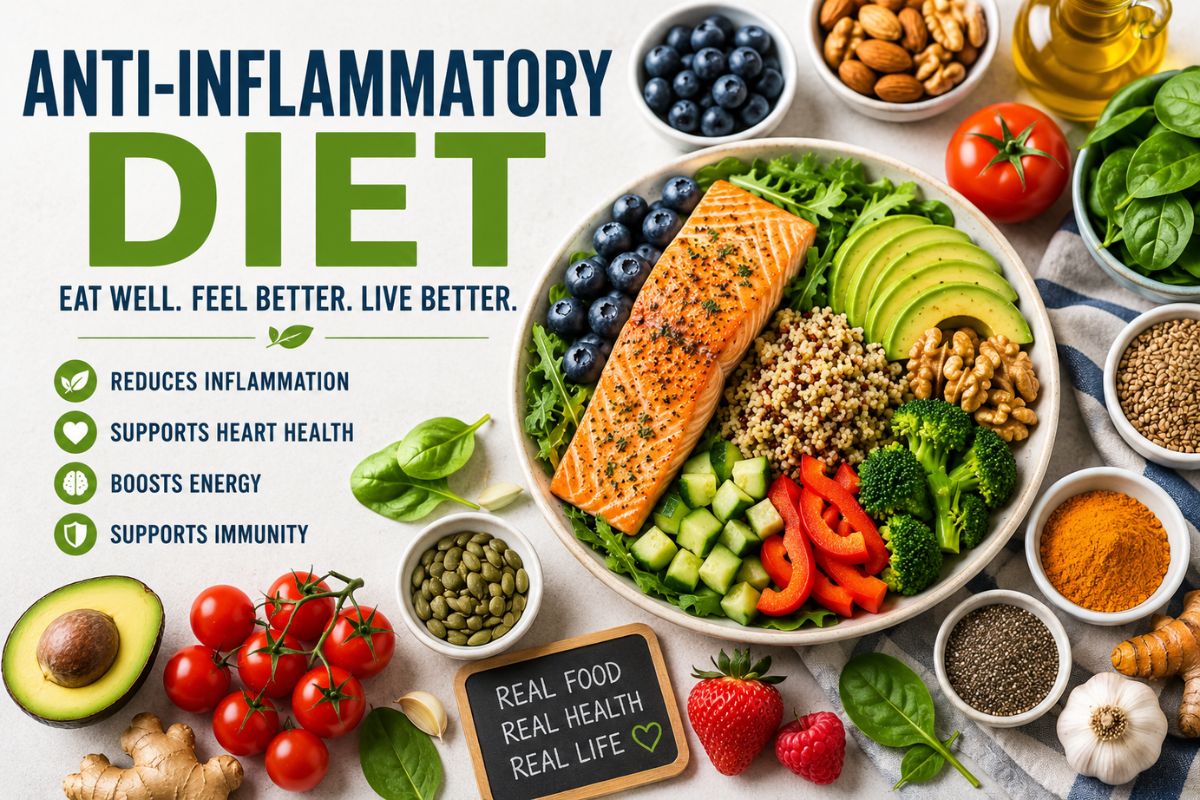
An anti-inflammatory diet emphasizes foods that are rich in vitamins, minerals, antioxidants, fiber, and healthy fats. These nutrients help support normal bodily functions and may help reduce factors associated with chronic inflammation.
Unlike fad diets that promise quick results, an anti-inflammatory diet is a long-term approach to eating. It encourages a variety of whole foods while limiting highly processed products, sugary beverages, and excessive amounts of unhealthy fats.
Many experts point to eating patterns similar to the Mediterranean diet as examples of anti-inflammatory eating.
Why Inflammation Matters
Inflammation isn’t always a bad thing. In fact, it’s a normal response that helps your body recover from injuries and fight infections.
The concern arises when inflammation becomes chronic. Factors such as poor diet, lack of exercise, smoking, stress, and inadequate sleep may contribute to ongoing inflammation over time.
This is one reason healthcare professionals often recommend lifestyle changes alongside healthy eating habits.
Foods Commonly Included in an Anti-Inflammatory Diet
Fruits and Vegetables
Colorful produce forms the foundation of most anti-inflammatory eating plans.
Popular choices include:
- Blueberries
- Strawberries
- Spinach
- Kale
- Broccoli
- Tomatoes
- Sweet potatoes
These foods contain antioxidants and plant compounds that support overall health.
Healthy Fats
Not all fats are created equal. Healthy fats found in foods such as:
- Avocados
- Olive oil
- Walnuts
- Almonds
- Chia seeds
- Flaxseeds
are commonly included in anti-inflammatory meal plans.
Fatty Fish
Americans who enjoy seafood often include:
- Salmon
- Sardines
- Tuna
- Mackerel
These fish contain omega-3 fatty acids, which have been widely studied for their role in supporting heart health.
Whole Grains
Whole grains provide fiber and nutrients that refined grains often lack.
Examples include:
- Oatmeal
- Brown rice
- Quinoa
- Whole-wheat bread
- Barley
Foods Often Limited
An anti-inflammatory diet doesn’t necessarily ban foods, but it encourages moderation with:
- Sugary sodas
- Candy and desserts
- Fast food
- Processed meats
- White bread
- Deep-fried foods
- Highly processed snacks
Many Americans find that reducing these foods helps them make room for more nutritious options.
Benefits of an Anti-Inflammatory Diet
While individual results vary, many people choose this eating pattern because it may:
Support Heart Health
Foods such as fish, nuts, olive oil, and vegetables are commonly associated with heart-conscious eating habits.
Improve Overall Nutrition
The diet naturally increases intake of vitamins, minerals, and fiber.
Support Digestive Health
Fiber-rich foods help maintain healthy digestion and regular bowel movements.
Encourage Healthy Weight Management
Whole foods tend to be more filling than highly processed alternatives, which may help support balanced eating habits.
Getting Started
You don’t need to overhaul your entire kitchen overnight. Start with one or two changes each week.
Try:
- Adding a serving of vegetables to dinner
- Replacing sugary drinks with water
- Eating fish once or twice a week
- Choosing whole grains more often
- Snacking on fruit and nuts
Small, consistent improvements are often easier to maintain than dramatic changes.
Final Thoughts
An anti-inflammatory diet isn’t about perfection. It’s about creating a balanced eating pattern built around real, wholesome foods. For Americans juggling busy schedules, family responsibilities, and everyday stress, simple dietary changes can make healthy eating more realistic and sustainable.
By focusing on fruits, vegetables, healthy fats, whole grains, and minimally processed foods, you can develop habits that support long-term wellness without feeling deprived. The best anti-inflammatory diet is one that fits your lifestyle and can be maintained for years, not just a few weeks.
References
- Harvard T.H. Chan School of Public Health – Anti-Inflammatory Diet
A comprehensive guide explaining inflammation, anti-inflammatory foods, and dietary patterns that support long-term health and wellness. - Johns Hopkins Medicine – Anti-Inflammatory Diet
Provides expert insights into how food choices may influence inflammation and highlights practical dietary recommendations. - Cleveland Clinic – What Is an Anti-Inflammatory Diet?
Discusses the benefits of anti-inflammatory eating, recommended foods, and simple ways to incorporate them into daily meals. - Mayo Clinic – Nutrition and Healthy Eating
Offers evidence-based information about healthy eating habits, whole foods, and nutrition strategies that support overall health. - American Heart Association – Healthy Eating
Covers heart-healthy dietary patterns, including fruits, vegetables, whole grains, and healthy fats commonly found in anti-inflammatory diets.