What Vitamins Should I Take? A Practical Guide for Americans
Walk into any pharmacy in the United States, and you’ll find shelves packed with vitamins promising better health, more energy, and stronger immunity. With so many options available, it’s natural to wonder: What vitamins should I take?
The truth is that there is no one-size-fits-all answer. The vitamins you need depend on your age, diet, lifestyle, health goals, and any nutritional gaps you may have. While a balanced diet should always be the primary source of nutrients, certain vitamins can help support overall wellness when dietary intake falls short.
Here’s a closer look at some of the most commonly recommended vitamins for American adults and who may benefit from them.
Start With Your Diet First
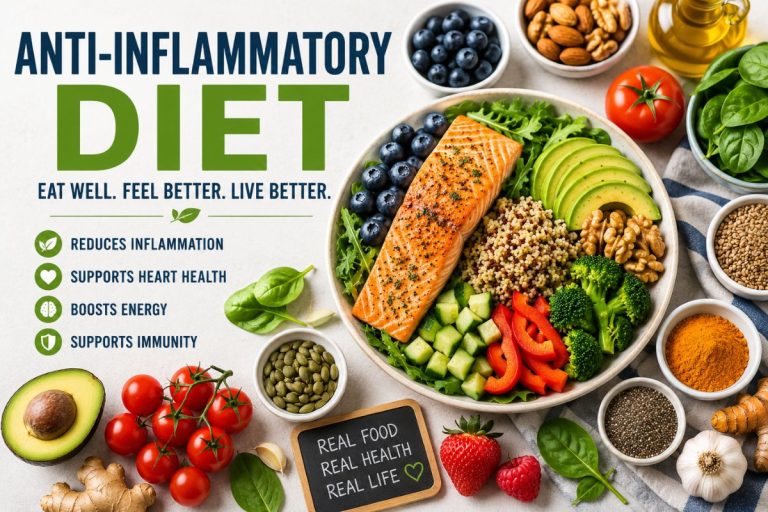
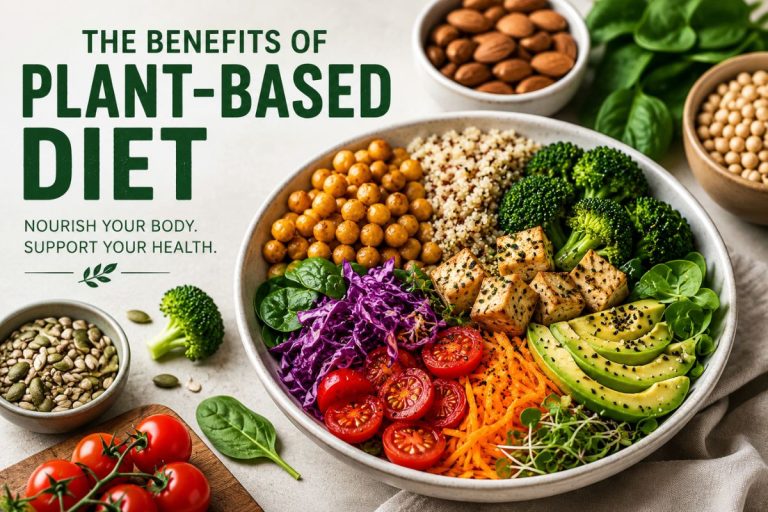
Before purchasing supplements, it’s important to remember that vitamins work best when combined with healthy eating habits. Fruits, vegetables, whole grains, lean proteins, and healthy fats provide a wide range of nutrients that supplements cannot fully replace.
However, many Americans struggle to meet daily nutritional recommendations due to busy schedules, restrictive diets, or limited access to nutritious foods. This is where supplements may help fill certain gaps.
Vitamin D: One of the Most Common Deficiencies
Vitamin D plays an important role in bone health, immune function, and overall wellness. Yet vitamin D deficiency is surprisingly common in the United States.
Many Americans spend most of their time indoors, work office jobs, or live in northern states where sunlight exposure is limited during parts of the year.
Vitamin B12: Important for Energy and Nerve Function
Vitamin B12 helps support nerve health and red blood cell production. It is naturally found in foods such as meat, fish, eggs, and dairy products.
Vegetarians, vegans, and older adults may have a greater risk of low B12 levels because absorption can become less efficient with age.
Vitamin C: Supporting Everyday Wellness
Vitamin C is well known for its role in supporting the immune system. It also contributes to collagen production and helps the body absorb iron from plant-based foods.
Many Americans get enough vitamin C through fruits and vegetables, including oranges, strawberries, bell peppers, and broccoli. However, people who eat few fresh fruits and vegetables may benefit from increasing their intake.
Omega-3s: Technically Not a Vitamin, But Worth Considering
While omega-3 fatty acids are not vitamins, they are commonly included in discussions about supplements because of their importance for heart and brain health.
Omega-3s are found in fatty fish such as salmon, tuna, and sardines. Americans who rarely eat fish may consider discussing omega-3 supplements with a healthcare professional.
Calcium: Essential for Bone Health
Calcium helps maintain strong bones and teeth. While dairy products remain a major source of calcium for many Americans, people who avoid dairy may need alternative sources.
Good options include:
- Fortified plant milks
- Leafy green vegetables
- Tofu
- Almonds
Women, especially after menopause, often pay particular attention to calcium intake because bone density naturally decreases with age.
Magnesium: Often Overlooked
Magnesium supports hundreds of processes throughout the body, including muscle function, nerve signaling, and energy production.
Foods rich in magnesium include:
- Nuts
- Seeds
- Whole grains
- Beans
- Leafy greens
Many Americans consume less magnesium than recommended, making it a nutrient worth discussing with a healthcare provider.
Should You Take a Multivitamin?
A daily multivitamin can serve as nutritional insurance for some people, especially those with busy lifestyles or inconsistent eating habits.
However, multivitamins should not be viewed as a replacement for healthy eating. Think of them as a supplement to a balanced diet rather than the foundation of one.
Who May Need Additional Vitamins?
Certain groups may have unique nutritional needs, including:
- Adults over age 50
- Pregnant women
- Vegetarians and vegans
- People with digestive disorders
- Individuals following restrictive diets
- Those with diagnosed nutrient deficiencies
A healthcare provider can help determine whether supplementation is appropriate.
How to Choose Vitamins Safely
When shopping for vitamins, consider these tips:
- Choose products from reputable manufacturers.
- Follow recommended serving sizes.
- Avoid taking excessive amounts without medical guidance.
- Read labels carefully.
- Discuss supplements with your healthcare provider, especially if you take medications.
More is not always better when it comes to vitamins.
Also Read: How to Avoid Injury When Starting Exercise Later in Life
Final Thoughts
If you’re wondering, “What vitamins should I take?” the best answer depends on your individual health needs. Vitamin D, B12, vitamin C, calcium, magnesium, and omega-3 fatty acids are among the most commonly discussed nutrients for Americans, but not everyone needs the same supplements.
The smartest approach is to start with a nutritious diet, understand your personal health goals, and consult a qualified healthcare professional before beginning any supplement routine. A personalized plan is often more effective than following the latest supplement trend.
References
- National Institutes of Health (NIH) – Office of Dietary Supplements
Provides comprehensive, evidence-based information on vitamins, minerals, dietary supplements, recommended intakes, and nutrient deficiencies. - Mayo Clinic – Vitamins and Supplements Guide
Explains how vitamins work, who may benefit from supplements, and important safety considerations before starting a supplement regimen. - Harvard T.H. Chan School of Public Health – The Nutrition Source
Offers science-based information on essential vitamins, their functions, dietary sources, and the role they play in maintaining overall health. - Cleveland Clinic – Do You Need a Multivitamin?
Discusses the benefits and limitations of multivitamins and how they fit into a healthy lifestyle. - Centers for Disease Control and Prevention (CDC) – Nutrition, Vitamins, and Minerals
Provides public health guidance on nutrition, nutrient intake, and maintaining a balanced diet for long-term wellness. - Johns Hopkins Medicine – Vitamin and Supplement Facts
Reviews common vitamins, supplementation practices, and how nutritional needs can vary by age, lifestyle, and health conditions. - Academy of Nutrition and Dietetics – Vitamins and Minerals
Offers expert guidance on obtaining nutrients from food and understanding when supplements may be beneficial. - MedlinePlus – Vitamins
A trusted government health resource that explains vitamin functions, deficiency risks, and recommended dietary sources.