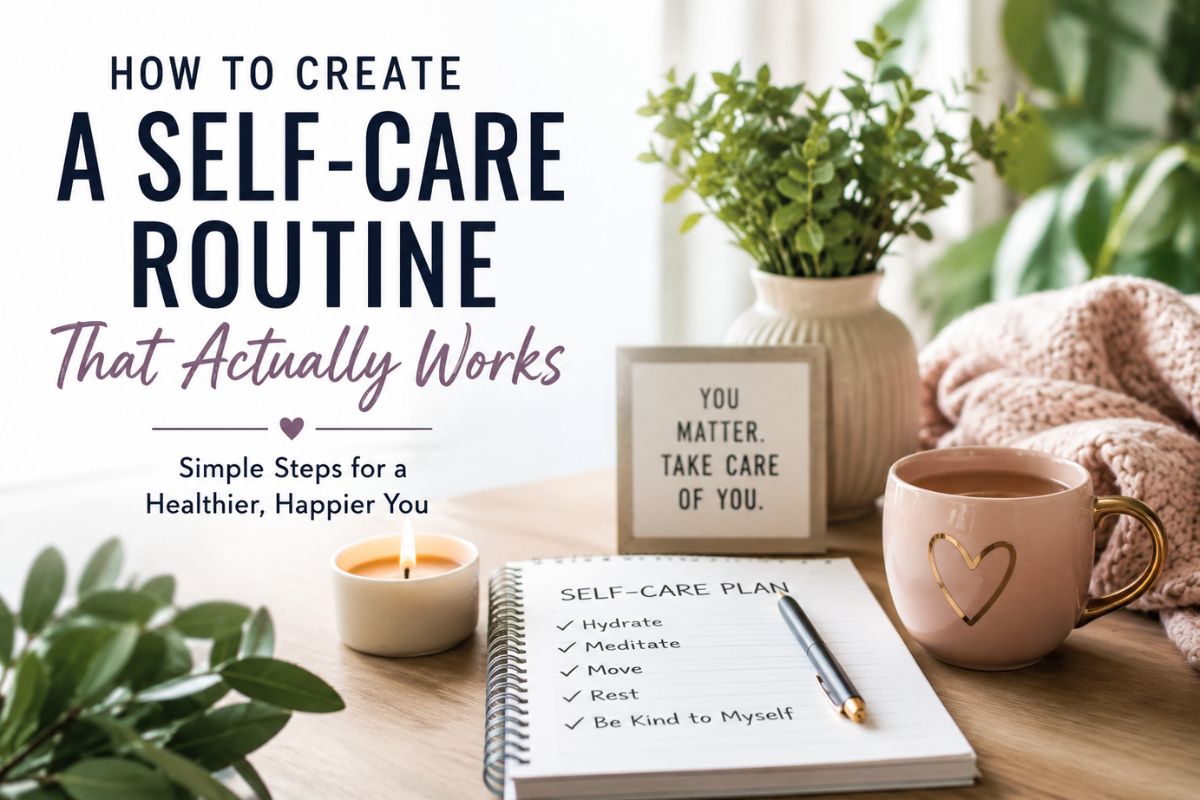
How to Create a Self Care Routine That Actually Works
In today’s fast-paced world, self care has become more important than ever. Between work responsibilities, family commitments, and endless digital distractions, many Americans struggle to find time for themselves. While the idea of self-care sounds appealing, creating a routine that actually works can be challenging.
The good news is that self care doesn’t have to be complicated or expensive. A successful self-care routine is one that fits your lifestyle, supports your well-being, and is easy to maintain over time. Here’s how you can build a practical self-care routine that truly makes a difference.
What Is Self Care?
Self care refers to the intentional actions you take to maintain and improve your physical, mental, and emotional health. It involves activities that help reduce stress, restore energy, and improve your overall quality of life.
Contrary to popular belief, self-care isn’t just about spa days, vacations, or luxury experiences. It can be as simple as getting enough sleep, taking a daily walk, eating nutritious meals, or setting healthy boundaries.
The key is consistency rather than perfection.
Why a Self Care Routine Matters
Many people only focus on self care when they’re feeling overwhelmed or burned out. However, regular self-care can help prevent stress from building up in the first place.
Benefits of a consistent self-care routine include:
- Improved mental well-being
- Better stress management
- Increased energy levels
- Higher productivity
- Better sleep quality
- Improved physical health
- Greater emotional resilience
When practiced regularly, self care becomes an investment in your long-term health and happiness.
Start With Small, Realistic Goals
One of the biggest mistakes people make is trying to completely transform their lifestyle overnight. Creating an elaborate self care plan may seem motivating at first, but it often becomes difficult to maintain.
Instead, start small.
Choose one or two habits that you can realistically perform every day. For example:
- Drinking an extra glass of water each morning
- Taking a 10-minute walk after dinner
- Going to bed 30 minutes earlier
- Spending five minutes practicing deep breathing
Small actions performed consistently often produce better results than ambitious plans that quickly fade away.
Identify Your Personal Needs
Self-care is not a one-size-fits-all approach. What works for one person may not work for another.
Take some time to evaluate which areas of your life need the most attention.
Ask yourself:
- Am I constantly stressed?
- Do I struggle with sleep?
- Am I feeling physically exhausted?
- Do I need more social connection?
- Am I neglecting my physical health?
Your answers can help you create a routine that addresses your specific needs rather than following generic advice.
Focus on Physical Self Care
Physical well-being forms the foundation of overall health. When your body feels good, it becomes easier to manage stress and maintain a positive mindset.
Important physical self care habits include:
Prioritize Sleep
Aim for seven to nine hours of quality sleep each night. Establish a consistent bedtime and limit screen exposure before bed.
Stay Active
Regular movement doesn’t require a gym membership. Walking, stretching, yoga, cycling, or dancing can all contribute to better physical and mental health.
Eat Balanced Meals
Focus on whole foods such as fruits, vegetables, lean proteins, whole grains, and healthy fats. Proper nutrition helps support energy levels and overall wellness.
Stay Hydrated
Even mild dehydration can affect mood, concentration, and energy. Make water consumption a daily priority.
Support Your Mental and Emotional Health
Mental self care is just as important as physical self care.
Consider adding activities that help you relax and recharge emotionally.
Some effective options include:
- Meditation
- Journaling
- Reading
- Practicing gratitude
- Spending time outdoors
- Listening to music
- Engaging in creative hobbies
Even a few minutes each day dedicated to these activities can help improve emotional balance and reduce stress.
Set Healthy Boundaries
Many people struggle with self care because they constantly put others’ needs before their own.
Learning to set boundaries is an essential part of protecting your mental and emotional well-being.
This may include:
- Saying no to unnecessary commitments
- Limiting time with negative influences
- Taking breaks from social media
- Protecting personal time
Healthy boundaries help prevent burnout and create space for meaningful self care activities.
Create a Routine You Can Stick To
Consistency is what makes a self care routine effective.
Rather than scheduling large blocks of time, try attaching self care habits to existing daily activities.
For example:
- Practice gratitude while drinking morning coffee.
- Take a short walk during lunch breaks.
- Stretch before bedtime.
- Read for 10 minutes before sleep.
These small habits are easier to maintain because they naturally fit into your existing schedule.
Track Your Progress
Keeping a simple journal or habit tracker can help you stay motivated.
Pay attention to positive changes such as:
- Better sleep
- Improved mood
- Reduced stress
- Higher energy levels
- Increased productivity
Seeing progress over time reinforces healthy habits and encourages consistency.
Be Flexible and Adjust as Needed
Life circumstances change, and your self-care routine should evolve with them.
What works during one season of life may need adjustment later. Instead of striving for perfection, focus on progress and adaptability.
If a particular habit no longer serves you, replace it with something more effective.
The goal is to create a routine that supports your well-being long-term, not one that feels like another obligation.
Final Thoughts
Creating a self care routine that actually works doesn’t require major lifestyle changes. The most effective routines are simple, realistic, and tailored to your personal needs.
By focusing on small daily habits, prioritizing physical and emotional well-being, and staying consistent over time, you can build a sustainable self care practice that enhances your overall quality of life.
Remember, self care isn’t selfish—it’s an essential part of maintaining a healthy, balanced, and fulfilling life.