Simple Habits For A Healthy Life
Health is often seen as something complicated—strict diets, intense workout routines, or expensive supplements. But in reality, good health is built on simple, consistent habits that support your body and mind every day. Whether you are young or aging, taking care of your health should always be a priority.
In today’s fast-paced world, many people ignore the basics of healthy living. Long working hours, poor eating habits, lack of sleep, and stress have become common. Over time, these habits can lead to serious health issues. The good news is that small lifestyle changes can create a powerful impact.
What “Good Health” Really Means
Health is not just the absence of disease. It is a state of complete physical, mental, and emotional well-being. When your body functions properly, your mind stays calm, and your energy levels remain stable throughout the day, you are truly healthy.
Maintaining this balance requires attention to multiple aspects of your life, including nutrition, movement, rest, and mindset.
The Role of Nutrition in Everyday Health
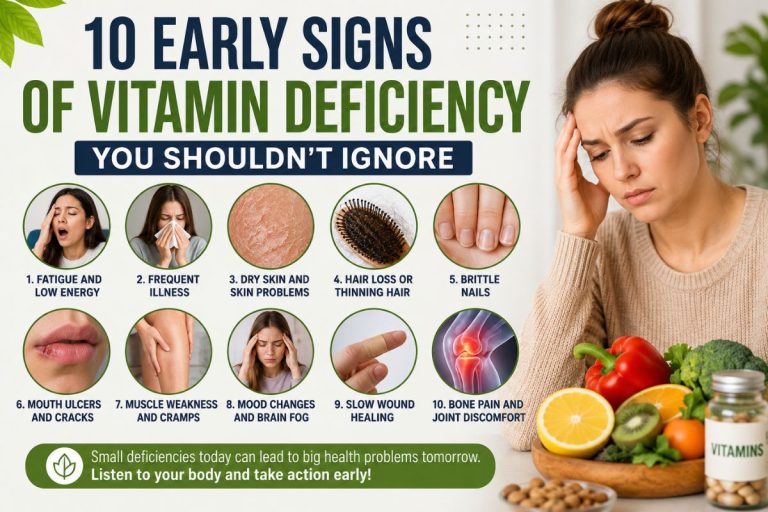
What you eat directly affects how you feel and perform. A balanced diet provides essential nutrients that your body needs to function properly. Fresh fruits, vegetables, whole grains, and lean proteins should form the foundation of your meals.
Processed foods, sugary snacks, and excessive junk food may offer temporary satisfaction, but they often lack nutritional value. Over time, these can contribute to weight gain, fatigue, and other health concerns.
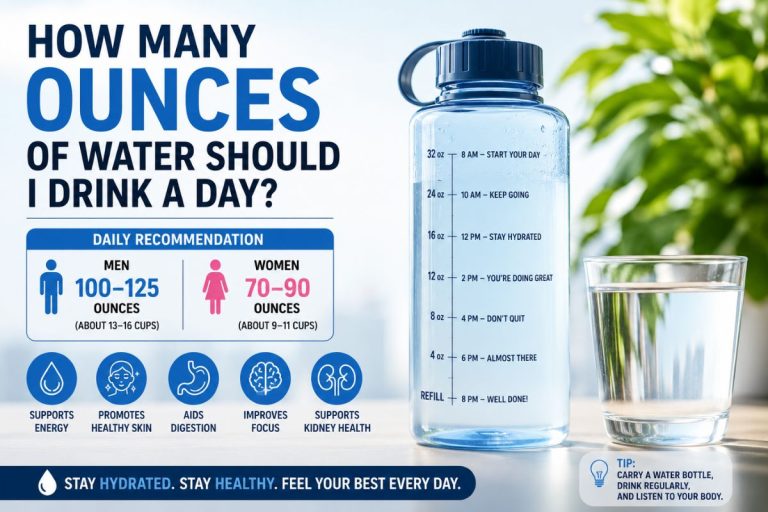
Drinking enough water is equally important. Hydration supports digestion, improves skin health, and helps maintain energy levels.
Why Physical Activity Matters
Your body is designed to move. Regular physical activity improves circulation, strengthens muscles, and boosts overall fitness. You don’t need to spend hours in the gym—simple activities like walking, stretching, or light exercise can make a noticeable difference.
Consistency is more important than intensity. Even 20 to 30 minutes of daily movement can improve your physical and mental health significantly.
The Importance of Quality Sleep
Sleep is often overlooked, yet it is one of the most important factors in maintaining good health. During sleep, your body repairs itself, restores energy, and supports brain function.
Lack of sleep can lead to fatigue, poor concentration, and weakened immunity. Aim for 7 to 8 hours of quality sleep each night. Creating a regular sleep routine and avoiding screens before bedtime can help improve sleep quality.
Managing Stress in Daily Life
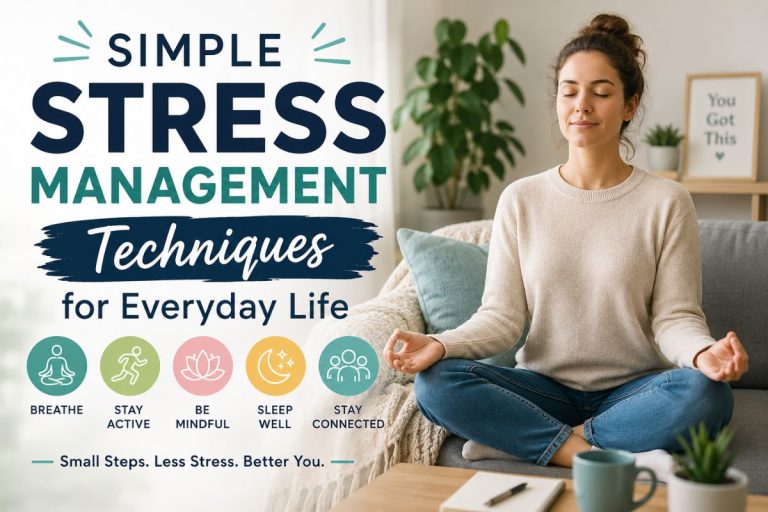
Stress is unavoidable, but how you manage it makes a big difference. Chronic stress can negatively impact both physical and mental health. It may lead to headaches, digestive issues, and even long-term conditions.
Practicing relaxation techniques such as deep breathing, meditation, or spending time in nature can help reduce stress levels. Taking breaks and maintaining a healthy work-life balance are also essential.
The Role of Preventive Care
Preventive care is about taking steps to avoid illness before it starts. Regular health checkups, maintaining a healthy weight, and staying active can help detect and prevent potential problems early.
Listening to your body is important. If something feels off, addressing it early can prevent complications later.
Building Healthy Habits That Last
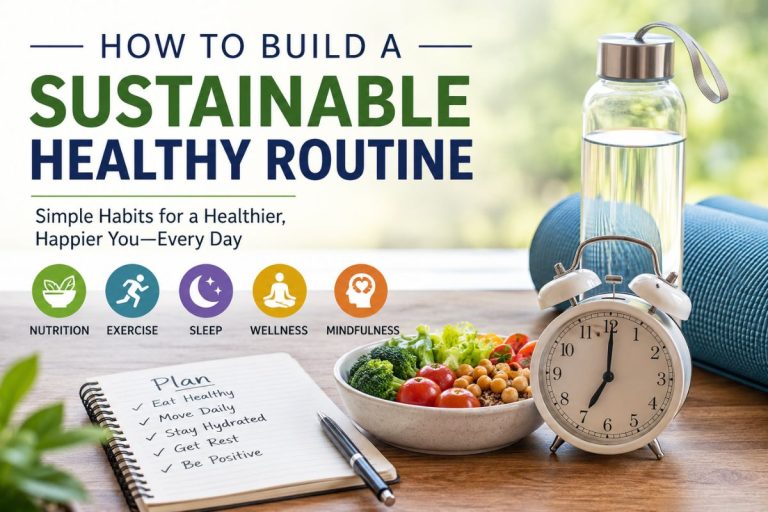
The key to long-term health is consistency. Instead of making drastic changes, focus on small, sustainable improvements. Replace unhealthy snacks with nutritious options, take short walks during the day, and prioritize sleep.
Healthy living is not about perfection—it’s about progress. Every positive choice you make adds up over time.
Final Thoughts
Good health is your greatest asset. It influences how you feel, how you work, and how you enjoy life. By focusing on simple habits like balanced nutrition, regular movement, proper sleep, and stress management, you can build a strong foundation for a healthier future.
Start small, stay consistent, and remember that your health is a lifelong journey—not a short-term goal.