What Are Antioxidants? Benefits, and Their Role in Health
In recent years, antioxidants have become one of the most talked-about topics in nutrition and wellness. From colorful fruits and vegetables to dietary supplements, antioxidants are often promoted as essential compounds that help protect the body and support long-term health. But what exactly are antioxidants, and why are they so important?
Understanding the role of antioxidants in health can help you make smarter dietary choices and support your overall well-being.
What Are Antioxidants?
Antioxidants are natural substances that help protect your body’s cells from damage caused by unstable molecules known as free radicals. Free radicals are produced naturally during normal metabolic processes, but they can also be generated by external factors such as pollution, cigarette smoke, ultraviolet (UV) radiation, and unhealthy dietary habits.
When free radicals accumulate faster than the body can neutralize them, they create a condition known as oxidative stress. Over time, oxidative stress may contribute to aging and various health concerns.
Antioxidants work by neutralizing free radicals before they can damage cells, helping maintain the body’s natural balance.
Why Are Antioxidants Important?
Every day, your body faces exposure to environmental and internal stressors that can affect cellular health. Antioxidants serve as one of the body’s defense systems, helping reduce oxidative damage and supporting healthy cellular function.
Research suggests that a diet rich in antioxidant-containing foods may support:
- Healthy aging
- Cardiovascular health
- Brain function and cognitive health
- Eye health
- Immune system function
- Skin health
While antioxidants are not a cure for disease, they play an important role in maintaining overall wellness and protecting cells from everyday stress.
Common Types of Antioxidants
There are hundreds of different antioxidants found in foods. Some of the most well-known include:
Vitamin C
Vitamin C is a powerful antioxidant that helps protect cells, supports immune health, and contributes to collagen production for healthy skin.
Good sources include:
- Oranges
- Strawberries
- Kiwi
- Bell peppers
- Broccoli
Vitamin E
Vitamin E helps protect cell membranes from oxidative damage and supports healthy skin and immune function.
Good sources include:
- Almonds
- Sunflower seeds
- Avocados
- Spinach
Beta-Carotene
Beta-carotene is converted into vitamin A in the body and acts as an antioxidant that supports eye health and immune function.
Good sources include:
- Carrots
- Sweet potatoes
- Pumpkin
- Cantaloupe
Selenium
Selenium is a trace mineral with antioxidant properties that supports thyroid function and immune health.
Good sources include:
- Brazil nuts
- Tuna
- Eggs
- Whole grains
Polyphenols
Polyphenols are plant compounds known for their antioxidant activity. They are found in many colorful fruits, vegetables, herbs, and beverages.
Common sources include:
- Blueberries
- Grapes
- Green tea
- Dark chocolate
- Olive oil
Antioxidants and Healthy Aging
One reason antioxidants receive so much attention is their potential role in healthy aging. As we age, oxidative stress naturally increases, which may contribute to changes in cellular function.
By consuming antioxidant-rich foods regularly, individuals may support their body’s natural defenses and promote long-term wellness. Many experts recommend focusing on a varied diet filled with colorful fruits and vegetables to maximize antioxidant intake.
Best Foods Rich in Antioxidants
Instead of relying solely on supplements, nutrition experts generally recommend obtaining antioxidants from whole foods whenever possible.
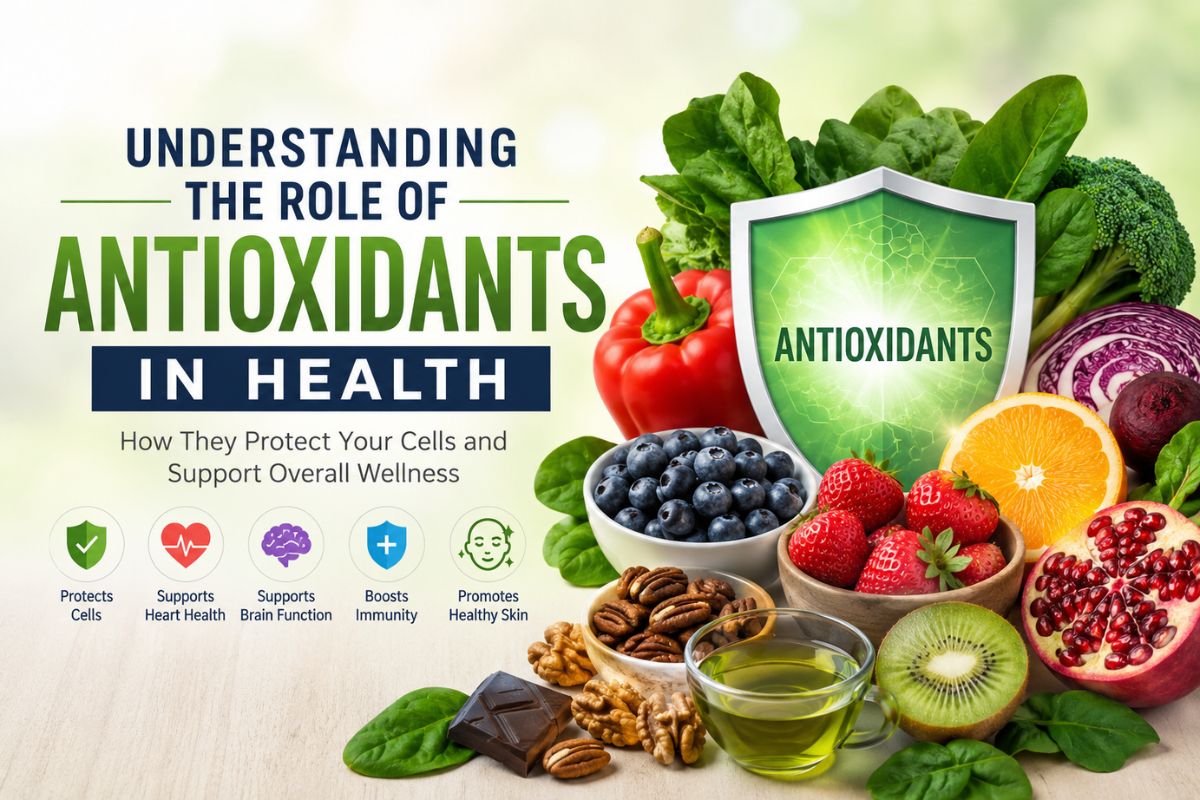
Some of the best antioxidant-rich foods include:
- Blueberries
- Strawberries
- Raspberries
- Spinach
- Kale
- Broccoli
- Red cabbage
- Tomatoes
- Pecans
- Walnuts
- Green tea
- Dark chocolate
- Pomegranate
A simple way to increase antioxidant intake is to “eat the rainbow.” Different colors in fruits and vegetables often indicate different antioxidant compounds that provide unique health benefits.
Can You Get Too Many Antioxidants?
While antioxidants are beneficial, more is not always better. Extremely high doses of certain antioxidant supplements may not provide additional benefits and could potentially interfere with normal biological processes.
For most healthy adults, obtaining antioxidants through a balanced diet is considered the safest and most effective approach.
If you’re considering antioxidant supplements, it’s always wise to consult a healthcare professional before beginning a new supplement routine.
Simple Ways to Increase Antioxidants in Your Diet
Adding more antioxidants to your daily routine doesn’t have to be complicated. Here are a few easy tips:
- Add berries to your breakfast.
- Include leafy greens in salads and smoothies.
- Snack on nuts and seeds.
- Drink green tea instead of sugary beverages.
- Choose colorful fruits and vegetables at every meal.
- Use herbs and spices such as turmeric, cinnamon, and oregano.
Small dietary improvements can significantly increase your antioxidant intake over time.
Final Thoughts
Antioxidants play a vital role in protecting the body from oxidative stress and supporting overall health. These powerful compounds help defend cells against free radical damage and contribute to healthy aging, immune function, heart health, and general wellness.
The best way to benefit from antioxidants is through a balanced diet rich in fruits, vegetables, nuts, seeds, and other plant-based foods. By making antioxidant-rich foods a regular part of your meals, you can support your body’s natural defenses and promote long-term health.
Health Disclaimer
This article is for informational and educational purposes only and should not be considered medical advice. Always consult a qualified healthcare professional before making changes to your diet, lifestyle, or supplement routine.